Jun 6, 2026 | Organic Nutrition
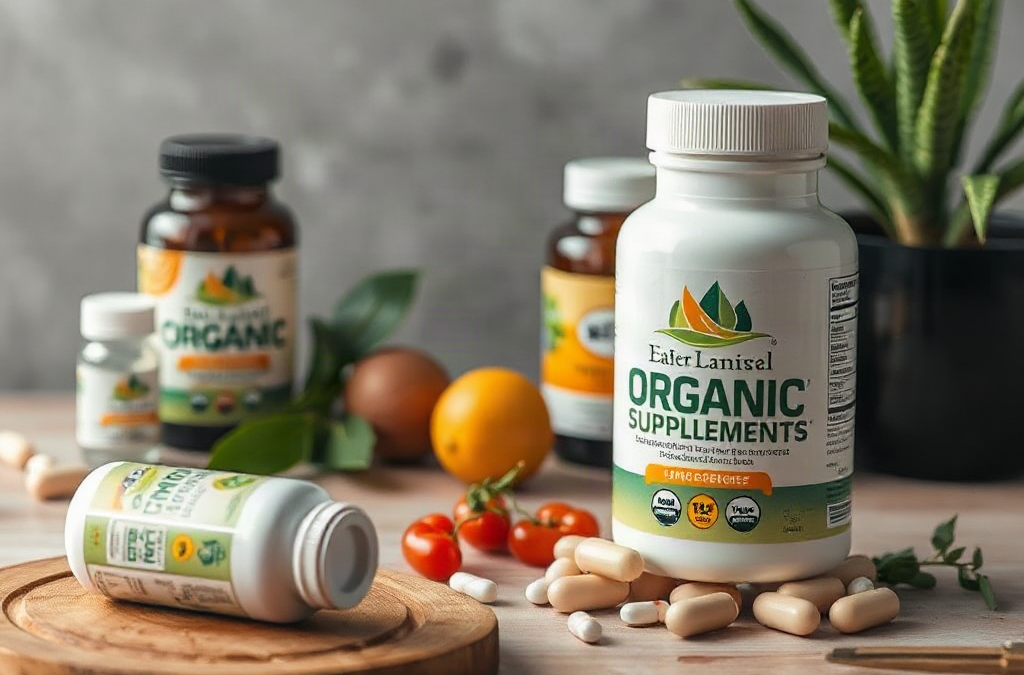
Understanding Organic Nutritional Supplements What Are They? First off, let’s dive into what organic nutritional supplements actually are. Essentially, these products are derived from natural sources, without the artificial additives or genetically modified...

Jun 6, 2026 | Organic Nutrition
Incorporating Fresh Fruits and Vegetables Choosing Seasonal Produce One of the first things I learned when diving into raw food routines is the importance of seasonal fruits and veggies. I mean, there’s nothing quite like biting into a juicy, ripe strawberry in the...
Jun 6, 2026 | Organic Nutrition
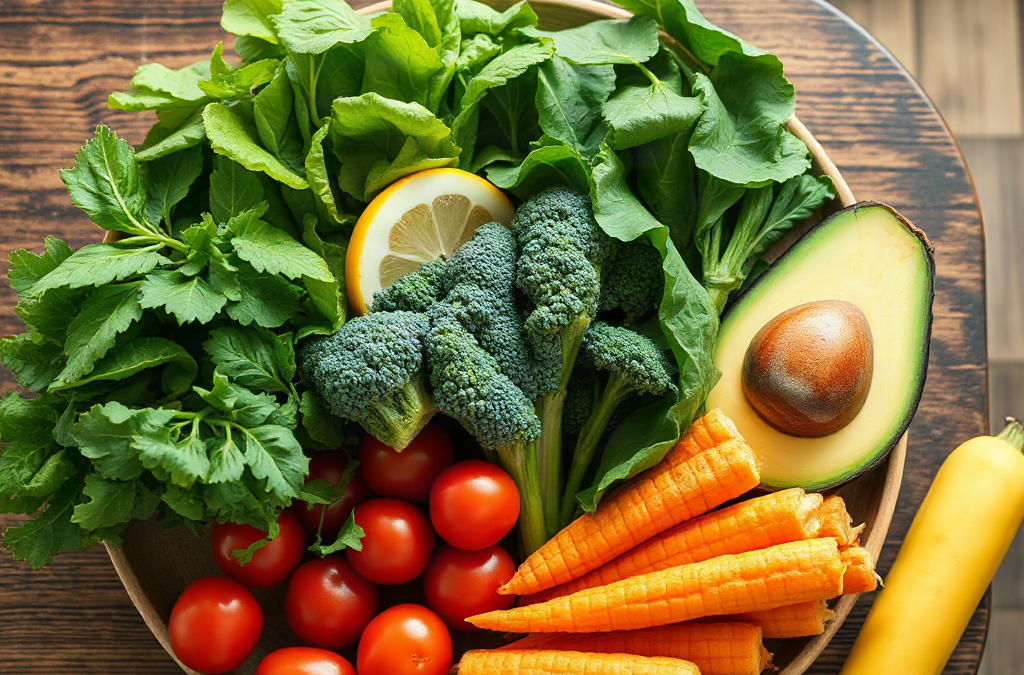
Understanding the Benefits of Raw Foods Boosting Nutritional Intake Let me tell you, embracing raw foods has been a game-changer for my health. When you consume raw fruits and veggies, you’re getting the maximum nutrients. Cooking can deplete vitamins and...
Jun 6, 2026 | Organic Nutrition
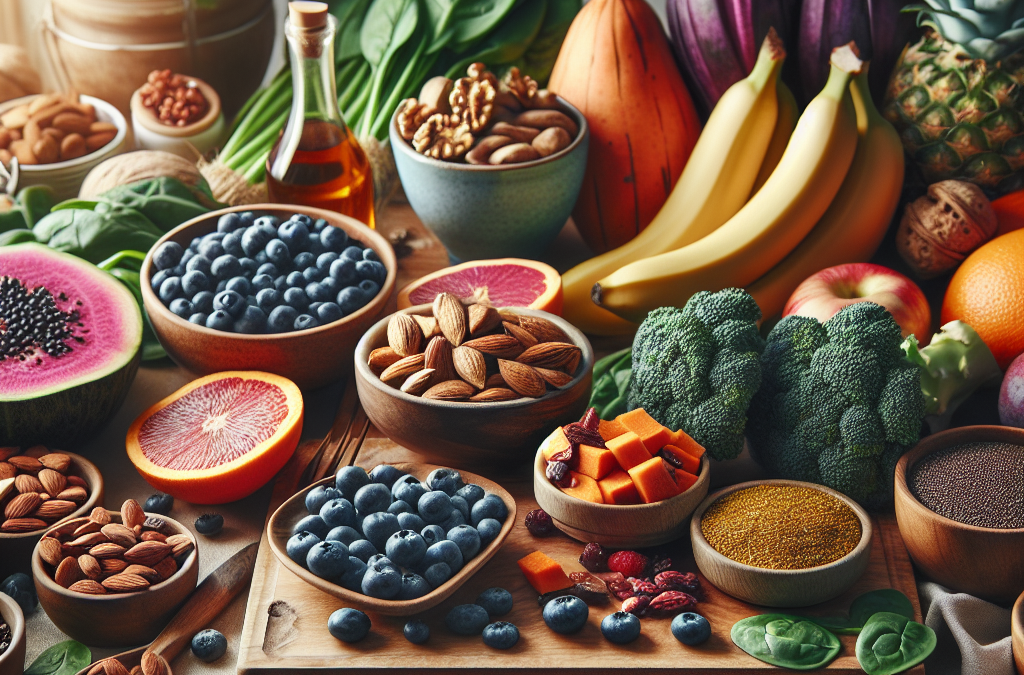
1. Leafy Greens: Nature’s Anxiety Fighters Why Leafy Greens Matter When it comes to raw foods that can give your mood a serious boost, leafy greens like spinach, kale, and arugula are at the top of my list. They’re not only packed with vitamins and minerals, but...
Jun 6, 2026 | Organic Nutrition
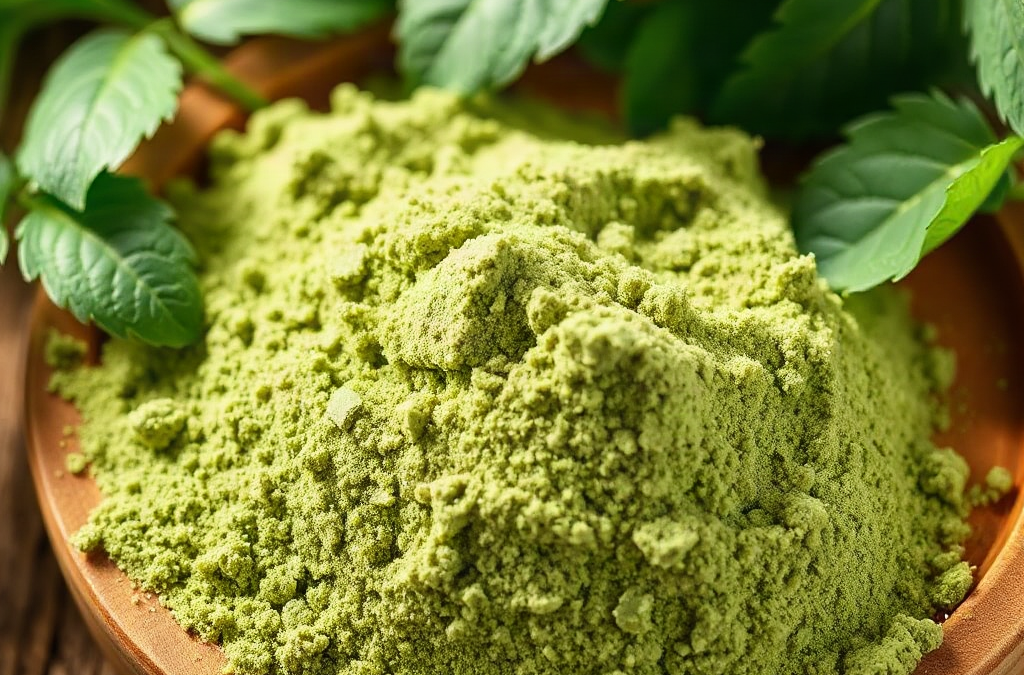
Welcome to the definitive 2025 guide on selecting the best organic greens powder for your health journey. In todayâs wellness-focused world, organic greens powder has become a staple for boosting energy, improving digestion, and enhancing overall vitality. Whether...

Jun 6, 2026 | Organic Nutrition
Table of Contents 1. Prioritize Organic Whole Foods 2. Include Fresh Organic Fruits and Vegetables Daily 3. Opt for Organic Dairy and Protein Sources 4. Read Labels Carefully to Avoid Hidden Chemicals 5. Incorporate Organic Snacks and Beverages 6. Plan Weekly Organic...