Jun 6, 2026 | Organic Nutrition
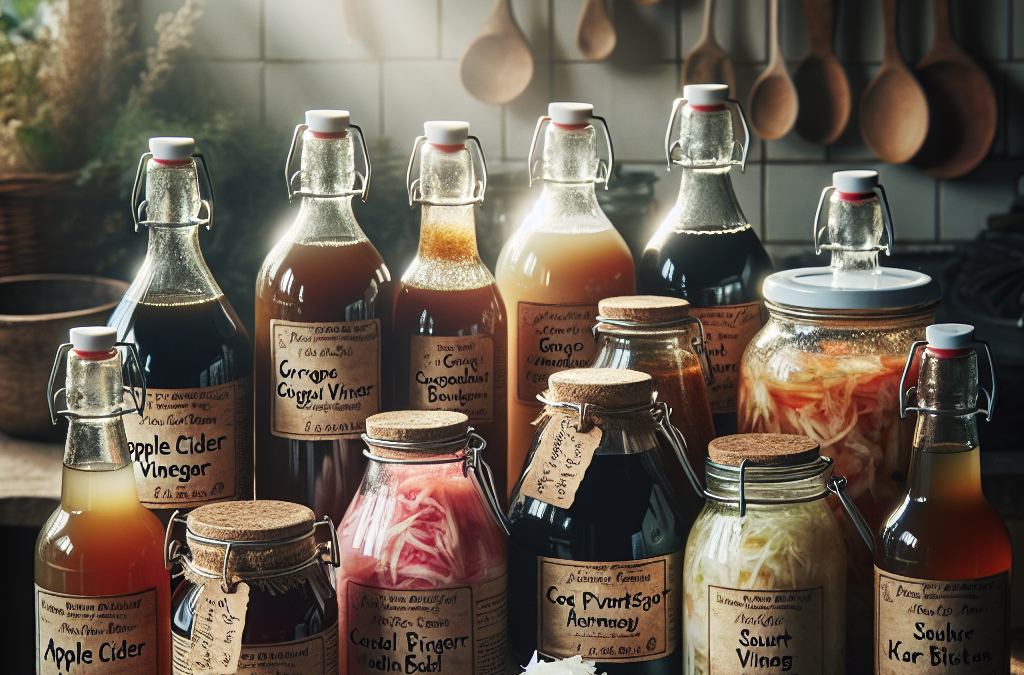
1. Health Benefits Boosting Digestion One of the first things I noticed when I started incorporating organic vinegars and ferments into my routine is the improvement in my digestion. It’s wild how these natural products can work wonders for gut health. Organic apple...

Jun 6, 2026 | Organic Nutrition
Hey there! As a passionate athlete and someone who loves experimenting with nutrition, I can’t stress enough how much organic foods have played a vital role in my recovery journey. Today, I’d like to take you through five key areas where organic foods can...
Jun 6, 2026 | Organic Nutrition
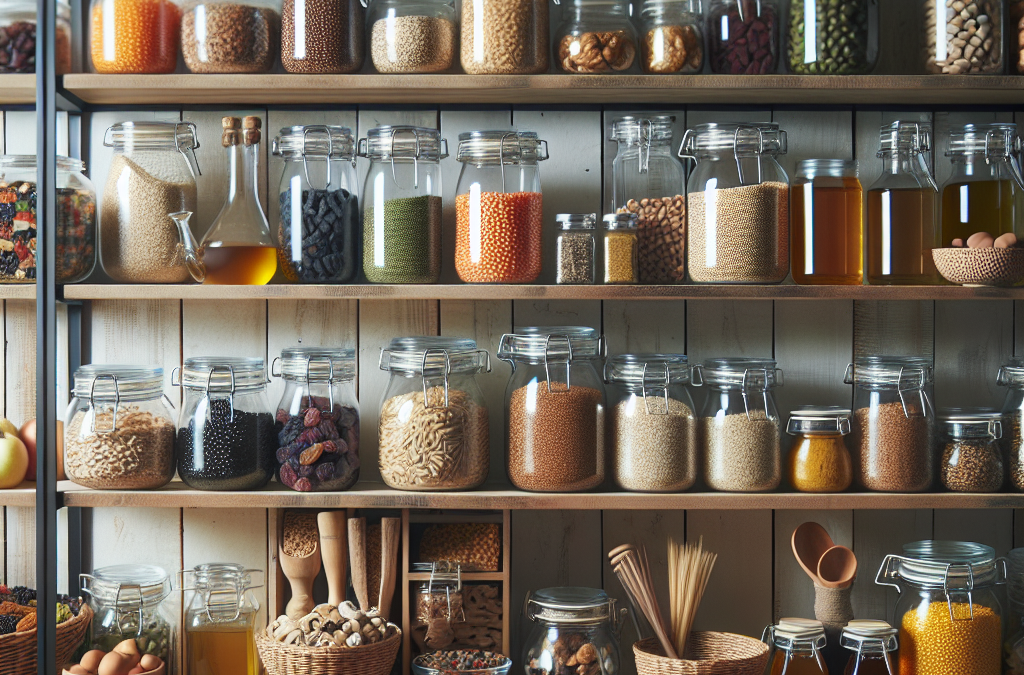
Hey there! So, I’ve been diving deep into the world of organic food and let me tell you, building an organic pantry has been one of the most rewarding experiences in my kitchen journey. If you’re like me, you want to create a stockpile of healthy, organic...

Jun 6, 2026 | Organic Nutrition
Nutritional Superiority Higher Nutrient Content One of the most noticeable benefits I’ve found with organic meat and dairy is the nutritional edge they have over their conventional counterparts. Organic products tend to contain higher levels of vital nutrients...

Jun 6, 2026 | Organic Nutrition
Growth of Organic Farming Worldwide Understanding the Current Landscape First off, the surge in interest in organic farming isn’t just a passing fad; it’s a crucial shift in how we think about food production. More folks are waking up to the consequences of...
Jun 6, 2026 | Organic Nutrition
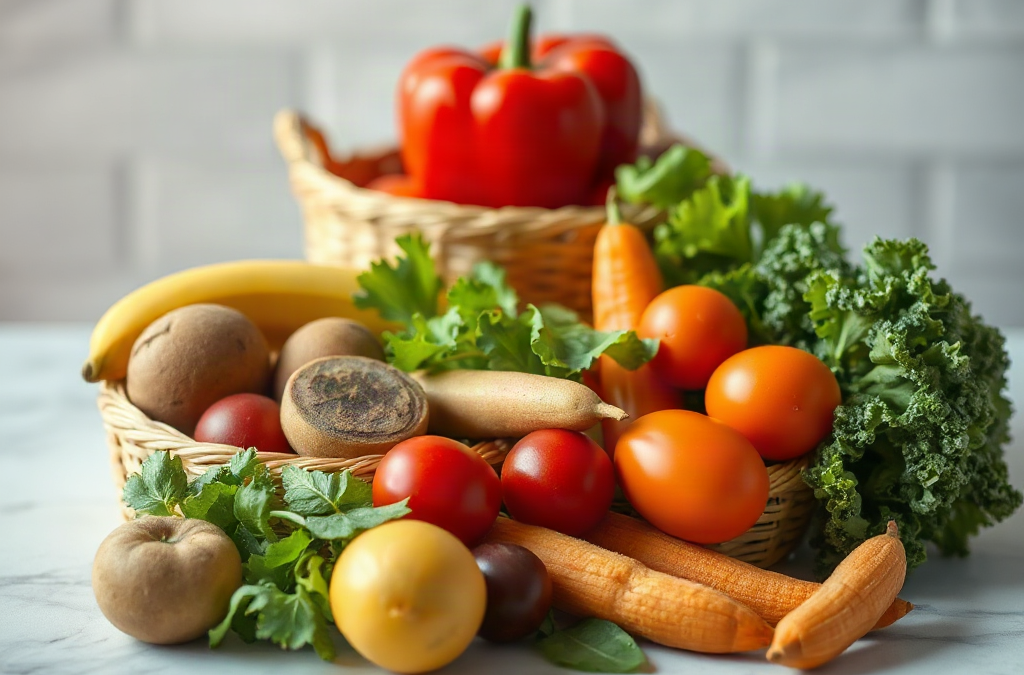
Organic Foods Are Always Healthier Understanding Nutritional Value First off, let’s get something straight: just because a food is labeled organic doesn’t automatically mean it’s healthier than a conventional counterpart. I’ve learned that the nutritional...