
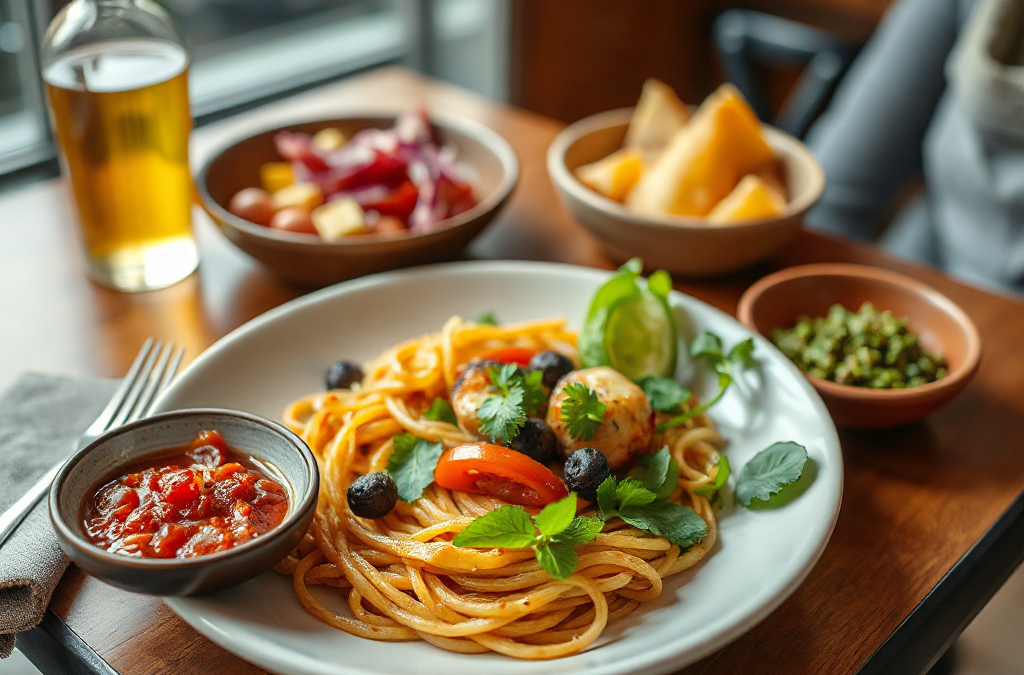
Enjoying organic foods while dining out means choosing restaurants with transparent sourcing, asking which ingredients are actually certified organic, and prioritizing simple dishes built around vegetables, beans, whole grains, eggs, or responsibly sourced meat. Organic labeling may apply to some ingredients rather than the entire meal, so a restaurant’s “organic” description does not automatically cover sauces, oils, garnishes, or mixed components. Ask focused questions about the main ingredients and substitutions, compare preparation methods, and balance certification preferences with nutrition, food safety, budget, and enjoyment. When details are unclear, a minimally processed dish with clearly identified ingredients is often a more practical choice than an elaborate entrée advertised with a vague organic claim.
Read Organic Claims Before Choosing a Restaurant
A restaurant can feature organic ingredients without serving an entirely organic meal. The word may describe a farm partner, a seasonal vegetable, a beverage, or a specialty ingredient, while the remaining components come from conventional suppliers. That distinction matters when you are trying to make a deliberate choice rather than simply responding to a prominent menu label.
Look for specific language such as “organic brown rice,” “organic eggs,” or “made with organic tomatoes.” Specific wording gives you something useful to verify. By contrast, phrases such as “clean,” “natural,” or “farm fresh” may describe sourcing or cooking style but do not establish organic certification. A restaurant website may provide more detail than the printed menu, especially on a sourcing, farms, or frequently asked questions page.

Menu design also reveals how much control you have. A bowl assembled from separate grains, vegetables, beans, and dressing is easier to adjust than a casserole containing an unknown sauce. A restaurant that names farms or suppliers may offer stronger transparency, although a supplier name alone is not proof that every item is certified organic.
Do not treat organic status as a complete measure of meal quality. A certified organic dessert can still be high in added sugar, and an organic fried entrée may be less aligned with your nutritional goals than a simply prepared conventional vegetable plate. Use the claim as one decision factor alongside ingredients, cooking method, portion size, allergens, and your budget.
A useful first step is to scan the menu for dishes where the ingredient list is visible. If the restaurant makes broad claims but cannot identify which components are organic, select a meal based on its actual composition instead of its marketing language. The same approach applies when comparing a neighborhood café, a farm-to-table dining room, and a chain that lists organic items separately. Transparency is more actionable than atmosphere or branding.
Build A Meal Around Clearly Identified Ingredients
The most reliable restaurant order usually starts with a recognizable base: vegetables, legumes, whole grains, fruit, eggs, fish, poultry, or meat, depending on your preferences. These foods make it easier to understand what you are eating and to identify which part of the meal may be organic. Simple preparation also reduces uncertainty about hidden ingredients.
For example, consider a seasonal vegetable plate with lentils and brown rice. You can ask whether the vegetables and eggs, if included, are organic, then request dressing on the side. That conversation is more precise than asking whether the entire plate is organic. A vegetable-based entrée may also provide fiber and a broader range of nutrients than a dish built around an organic refined-grain crust and a rich sauce.
Mixed dishes deserve closer attention. Soups, curries, risottos, marinades, and dressings often combine several suppliers and may be prepared in batches. The featured ingredient could be organic while the stock, cheese, oil, or sweetener is not. That does not make the dish unacceptable, but it changes what you can accurately claim about the meal.
When possible, use substitutions to improve both clarity and balance. Replace a creamy side with steamed vegetables, choose beans instead of processed meat, or request a plain grain in place of a heavily seasoned starch. Ask whether the substitution changes the price. Restaurants may have limited kitchen flexibility, particularly during busy service or with fixed menus.
One common mistake is assuming that “organic” means “lightly processed.” Organic certification addresses production and handling standards, not whether a dish is fried, oversized, salty, or rich in added sugars. A good order therefore combines verified organic components with a cooking method that suits your needs. Grilled, roasted, steamed, or lightly sautéed foods often make ingredient details easier to assess, but preparation still varies by restaurant.
Use how to enjoy organic foods while dining out as a flexible standard, not a demand that every item meet one label. If one organic ingredient is available in a well-composed meal, that may be a satisfying choice; if certification cannot be confirmed, a balanced meal made from plainly described ingredients can still fit your priorities.
Ask Efficient Questions Without Overcomplicating Dinner
Specific questions produce better answers than a general request for “organic food.” Ask which ingredients are certified organic, whether the claim applies to the whole dish or only one component, and whether the kitchen can identify the dressing, stock, oil, or bread used. These questions focus staff attention on verifiable details rather than forcing them to make a broad promise.
Start with the restaurant’s most knowledgeable source. A host may know which menu items are popular, but a server, manager, or chef may have access to supplier and preparation information. On a busy evening, keep the exchange short and prioritize the ingredients that matter most to you. If you avoid a particular allergen or have a medical dietary restriction, state that separately and clearly; an organic label does not address cross-contact or allergen control.
A practical question sequence looks like this:
- Which main ingredients in this dish are certified organic?
- Is the sauce, dressing, stock, or cooking oil made from a different ingredient source?
- Can the dish be prepared without a component I do not want?
- What simpler alternative has the clearest ingredient information?
The answer itself is useful evidence. A confident explanation that distinguishes organic and non-organic components suggests better menu transparency. An uncertain response does not necessarily indicate poor food, but it means you should avoid making assumptions. Choose a dish with fewer hidden elements or ask for components separately.
Phone calls and online menus can help before a special meal. Still, information may change with seasonal purchasing, staffing, or daily availability. Treat online descriptions as a starting point and confirm important details at the restaurant. Do not pressure staff to certify something they cannot verify; respectful, focused questions are more likely to produce a clear response than an exhaustive interrogation.
For a broader perspective on how to enjoy organic foods while dining out, remember that the goal is informed choice. A restaurant may not be able to meet every preference, while still offering a meal that works nutritionally and socially. Decide in advance which details are non-negotiable and which are simply preferred.
Balance Organic Preferences With Nutrition, Cost, And Safety
Dining out involves tradeoffs that organic labeling cannot resolve by itself. Organic foods may align with environmental, farming, or personal purchasing values, but the restaurant meal also includes portion size, cooking technique, sodium, added sugars, saturated fat, fiber, and food handling. A thoughtful choice weighs the entire plate rather than ranking certification above every other feature.
Cost is a frequent constraint. Organic ingredients may raise menu prices, and special substitutions can add fees. If your budget is limited, prioritize the ingredients you eat in larger amounts or care about most, such as a vegetable base or eggs, instead of paying extra for an organic garnish. You can also choose a moderately priced entrée with a side salad and save an organic specialty beverage or dessert for another occasion.
Food safety remains separate from organic status. Organic certification does not mean a dish is immune to contamination, nor does it replace proper cooking, refrigeration, or hand hygiene. If meat, seafood, eggs, or dairy are involved, ask normal preparation questions when relevant and pay attention to freshness and temperature. People who are pregnant, immunocompromised, or managing a condition affected by food safety should follow advice from their clinician or appropriate public health guidance.
Nutrition goals may point in different directions. Someone seeking more fiber might favor lentils, vegetables, and whole grains, while someone managing sodium intake may need sauces and broths served separately. A person with celiac disease needs verified gluten-free procedures, not merely organic grains. Someone avoiding dairy should ask about butter and shared preparation surfaces. Organic status can coexist with these needs, but it does not answer them.
The weak assumption to avoid is that a premium label guarantees a superior overall meal. Compare a certified organic burger with fries against an entrée of beans, vegetables, and whole grains whose ingredients are not all certified. The better choice depends on your values and health priorities that day. Organic preference is most useful when integrated with an honest assessment of the complete order.
Use A Repeatable Dining-Out Decision Process
A short decision process makes restaurant choices easier without turning every meal into a research project. Begin by identifying the restaurant’s strongest transparent options, then check how much of each dish is made from clearly described ingredients. Next, compare the preparation method, likely portion, and cost. Finish by asking one or two targeted questions about components that could change your decision.
For an ordinary dinner, prioritize in this order: dietary safety, a meal you will genuinely eat, a balanced combination of foods, verified organic components that matter to you, and optional upgrades such as an organic drink or garnish. That order prevents a label from pushing you toward a meal that does not suit your appetite, restrictions, or budget.
Signs that your approach is working include receiving specific answers, being able to name the organic components, and leaving the meal satisfied without feeling forced into an expensive or impractical order. Signs that it is failing include vague claims, repeated substitutions that create an unbalanced plate, surprise charges, or spending so much effort checking details that dining out becomes stressful. At that point, choose a simpler dish or a restaurant with clearer sourcing information.
Keep a few reliable order patterns in mind: a grain-and-vegetable bowl with dressing separate, roasted seasonal vegetables with beans, a plain omelet with produce, or grilled fish with a clearly identified side. These are not automatically organic, but their structure makes questions and adjustments manageable. If a restaurant offers a dedicated organic menu, still inspect sauces and sides rather than assuming every listed item meets the same standard.
For more tailored ideas, use how to enjoy organic foods while dining out as a reminder to match the meal to the occasion. A quick lunch may call for a transparent salad or grain bowl, while a celebratory dinner may justify choosing one carefully sourced course and enjoying the rest without perfectionism. Consistency comes from making deliberate tradeoffs, not from demanding certainty where the restaurant cannot provide it.
For label definitions and food-handling guidance, consult current information from the USDA, the FDA, and recognized university extension programs. These sources can help distinguish organic certification from general marketing language and keep restaurant decisions grounded in broader nutrition and safety principles.
Frequently Asked Questions
Does an organic menu mean every ingredient is organic?
No. A menu may identify selected organic ingredients while sauces, oils, grains, dairy products, or garnishes come from other sources. Ask which components the claim covers.
What should I ask a restaurant about organic ingredients?
Ask which ingredients are certified organic, whether the claim applies to the entire dish, and what is in the dressing, stock, sauce, or cooking oil.
Is an organic restaurant meal automatically healthier?
No. Cooking method, portion size, sodium, added sugar, fiber, and overall ingredients still matter. Organic status describes production standards rather than the complete nutritional profile.
How can I dine organically on a limited budget?
Prioritize organic ingredients that make up most of the meal, select simpler dishes, and avoid paying extra for small garnishes or optional organic beverages.
What if the server cannot confirm an ingredient’s organic status?
Choose a dish with fewer hidden components and recognizable ingredients, or treat the meal as non-verified rather than assuming the claim applies throughout.
Conclusion
Enjoying organic foods at restaurants is easiest when you separate verified sourcing from broad marketing language. Look for plainly described dishes, ask which specific ingredients are certified, and inspect sauces, stocks, oils, and sides that may not share the headline ingredient’s status. Then weigh organic preference against dietary needs, food safety, nutrition, price, and the pleasure of the occasion. A simple bowl, vegetable plate, or grain-based entrée may offer better clarity than a complicated dish carrying an attractive but vague claim. Before your next meal, decide which details matter most, review the menu for low-complexity options, and prepare two focused questions. That approach supports informed choices without requiring perfection or turning dining out into a compliance exercise.
Huge Discount on the Best Certified Organic Nutrient Dense Supplement!

Additional Resources
Authoritative Sources
- Smart Food Choices: Eating Out - Finding Healthier Choices
njaes.rutgers.eduWatch the portion size. Help control your weight. Look for steamed, broiled, baked, grilled, poached or roasted foods. Limit fried, au gratin, crispy, ...