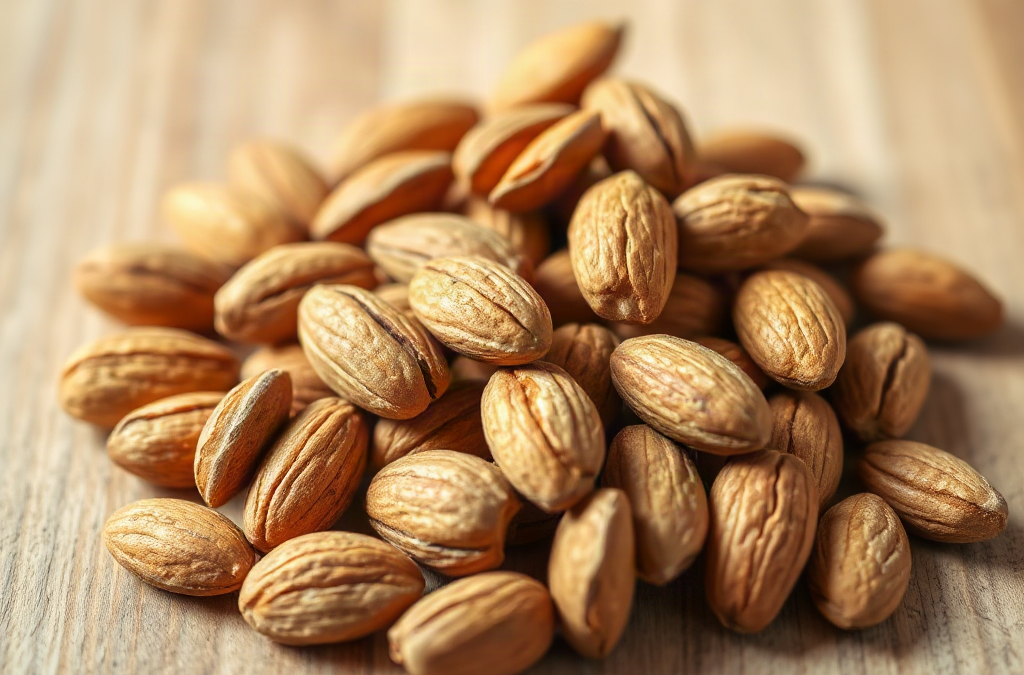
Organic almonds: portions, nutrients, and storage come down to using a modest handful, recognizing their energy-dense mix of unsaturated fat, protein, fiber, vitamin E, and minerals, and protecting them from heat, light, air, and moisture. A practical serving is about 1 ounce, or a small handful, adjusted for the rest of the meal and personal energy needs. Choose plain or lightly processed almonds when you want the nut’s nutrient profile without added sugar or excess sodium. Store a sealed package in a cool, dark cupboard for short use, or refrigerate or freeze it for longer freshness; discard almonds that smell paint-like, taste sharply bitter, or show mold.
What A Practical Almond Portion Looks Like
A useful starting portion for whole almonds is about 1 ounce, commonly described as a small handful. Because hand size varies and almonds differ in size, a kitchen scale is more reliable than filling your palm. Measuring once can also help you recognize the amount visually when you are away from home.
Portion size matters because almonds combine nutritional value with a high concentration of energy in a relatively small volume. A large bowl can be easy to eat quickly, especially while working or watching television, even though the food itself is minimally processed. A measured serving alongside fruit, yogurt, vegetables, or whole-grain foods is easier to fit into a meal than repeated handfuls eaten without noticing.
The best amount depends on what the almonds are replacing. A small serving may add texture to oatmeal or a salad, while a larger serving could function as part of a snack with an apple. If almonds replace candy or a highly refined snack, their fiber, protein, and fat may make the eating experience more substantial. If they are added on top of an already filling meal, a smaller sprinkle may be the more sensible choice.
Pre-portioned containers work better than eating directly from a large bag. You can divide a package into snack portions, keep one container accessible, and store the remainder under better conditions. A common mistake is treating “healthy” as synonymous with unlimited; nutrient quality does not remove the need to consider total intake.
People managing a medical condition, food allergy, or prescribed eating plan may need individualized advice. Almonds are not a treatment for disease, and portion decisions should account for the person’s complete diet rather than one ingredient. More ideas for using a measured serving appear in Organic almonds: portions, nutrients, and storage.
Nutrients In Organic Almonds And What They Mean
Almonds provide a combination of unsaturated fat, plant protein, dietary fiber, vitamin E, magnesium, and other minerals. The exact nutrition depends on the serving size and product form, so the package label remains the best source for a particular brand. Organic certification describes how the almonds were produced under the applicable organic standards; it does not create a separate calorie or nutrient category.
Most of the fat in almonds is unsaturated, but that does not make the food fat-free or calorie-free. Fat contributes to the nut’s creamy texture and helps explain why a small amount can be satisfying. Fiber and protein add structure to a snack and may slow the pace at which it is eaten compared with a sugary food that disappears quickly. These effects vary by the rest of the meal, individual appetite, and preparation.
Vitamin E is a naturally occurring antioxidant nutrient found in almonds. Magnesium contributes to normal body functions, including nerve and muscle processes, while protein and fiber support the broader nutritional value of a plant-based eating pattern. These statements describe roles of nutrients, not promises that almonds prevent, cure, or correct a health condition.
Whole almonds retain their skin and physical structure, which can make them more filling to chew than almond butter or finely ground almond flour. Nut butter can still be useful, but it is easier to consume a large amount from a spoon or spread it generously on toast. Almond flour serves baking purposes and should not automatically be treated as a one-for-one substitute for whole nuts in a snack.
Salted, honey-coated, chocolate-covered, and flavored products can differ substantially from plain almonds. Check sodium, added sugars, oils, and serving size before comparing labels. A practical approach is to use plain almonds as the baseline, then choose a flavored version deliberately when the added ingredients fit the meal and the intended portion.
Choosing Almond Forms For Everyday Use
Whole, sliced, slivered, chopped, blanched, roasted, and raw almonds each suit different uses. Whole almonds are convenient for snacks and usually take longer to eat. Sliced or slivered almonds distribute more easily over salads, porridge, fruit, and cooked vegetables, so a smaller amount can provide crunch throughout a dish.
Roasting changes flavor and texture rather than turning almonds into a fundamentally different food. Dry-roasted almonds avoid the added oil used in some roasted products, but labels should be checked rather than assumed. Raw almonds have a softer, less toasted flavor. Neither choice is automatically right for every person; the better option is the one that fits the recipe, appetite, and ingredient preferences.
Blanched almonds have had the skin removed. They can be preferable for certain sauces, desserts, and smooth almond preparations, while skin-on almonds offer a more pronounced texture. Soaking may soften almonds, but it does not remove the need for safe handling or make a questionable batch safe. Wet almonds should not be left at room temperature for extended periods because added moisture can encourage spoilage.
A useful comparison is between a snack portion and a recipe ingredient. A person may use a tablespoon of chopped almonds over vegetables, but a trail mix may contain several ingredients and make portions harder to judge. Dried fruit, chocolate, sweet coatings, and salty crackers can change the overall nutritional balance even when almonds remain the first ingredient.
When buying organic almonds, look beyond the front label. Inspect the ingredient list, package condition, roast style, salt level, and best-by information. Organic status may matter to your purchasing priorities, but freshness and the product’s full formulation still determine how it performs in the kitchen. The portion and storage details for organic almonds are most useful when matched to the form you actually buy.
Storage Methods That Protect Flavor And Quality
Almonds keep their quality longer when protected from heat, light, oxygen, and moisture. Their natural oils can oxidize over time, producing stale or paint-like aromas and a harsh aftertaste. A sealed container in a cool, dry, dark cupboard is suitable for almonds that will be used relatively soon.
For a large bag, divide the nuts into smaller airtight containers instead of opening the entire supply repeatedly. Smaller containers limit the amount of air that reaches the unused portion. Keep the package away from a warm oven, sunny counter, dishwasher steam, and areas where condensation is common. A resealable bag is more useful when excess air is pressed out and the closure remains intact.
Refrigeration is a practical choice for longer storage, particularly in a warm kitchen or when almonds are purchased in bulk. Use an airtight container so the nuts do not absorb odors from onions, cheese, or prepared foods. Allowing a cold container to warm while sealed can reduce condensation on the almonds; opening it immediately in a humid room may introduce moisture.
Freezing can extend the usable life of almonds when they will not be consumed soon. Package them in a moisture-resistant freezer container, label the date, and remove only what you need. Repeated thawing and refreezing is less convenient and can expose the remaining nuts to humidity, so divide the supply before freezing. Frozen almonds can be chopped or added to many recipes after a short tempering period.
Do not rely on the printed date alone. A best-by date is a quality reference, while storage conditions and the package’s history also matter. Smell a few nuts before serving a stored batch. Discard almonds with mold, unexplained dampness, insects, or a strong rancid odor; cooking or adding spices may mask a defect but does not restore quality.
A Simple Freshness And Portion Checklist
Good almond handling is a short sequence: choose the form that suits the use, measure the amount, seal the remainder, and inspect the nuts before eating. This routine is more dependable than trying to remember a single storage rule for every package and kitchen.
Use this compact check when opening a new or stored supply:
- Portion: measure about 1 ounce for a standard snack starting point, then adjust for the meal and personal needs.
- Ingredients: check for added salt, sugar, oils, coatings, or other ingredients that affect the intended use.
- Condition: look for dryness, insects, mold, clumping, or signs that moisture entered the package.
- Aroma and taste: a fresh nut should smell mild and nutty; discard a batch with a sharp rancid smell or unpleasant bitter flavor.
- Storage: use a clean airtight container and choose cupboard, refrigerator, or freezer storage according to how quickly the almonds will be used.
For example, a household that finishes almonds within two weeks may need only a dark cupboard and a sealed jar. Someone buying a large bulk bag for occasional baking has a stronger reason to portion the supply and refrigerate or freeze most of it. The second approach takes a few extra minutes but reduces the chance that the entire bag develops stale flavors before it is used.
Do not confuse a bitter flavor in one almond with a reason to keep eating the batch to investigate. Remove the suspect nut, inspect the supply, and use smell and taste cautiously. People with tree-nut allergies should avoid exposure and follow their clinician’s or allergist’s safety instructions; organic labeling does not make almonds non-allergenic.
For meal use, add chopped almonds near serving time when you want crisp texture, or stir them into oatmeal and baked dishes when softness is acceptable. Keeping a small working container separate from long-term storage protects the main supply from frequent opening. That simple separation is often more useful than buying a larger package for a lower unit price.
Frequently Asked Questions
How many organic almonds should you eat in one serving?
About 1 ounce, or a small handful, is a practical starting point. Adjust it according to the rest of the meal, your appetite, and any individualized dietary advice.
Are organic almonds more nutritious than conventional almonds?
Organic certification concerns production practices rather than guaranteeing a different nutrient profile. Compare the complete label, freshness, ingredients, and farming priorities that matter to you.
Should almonds be stored in the refrigerator?
Refrigeration is useful for bulk purchases, warm kitchens, or slower use. Keep the nuts airtight so they remain dry and do not absorb odors.
How can you tell when almonds have gone bad?
Rancid almonds may smell like paint, old oil, or chemicals and can taste harsh. Mold, insects, dampness, or an unusual appearance are also reasons to discard them.
Is almond butter nutritionally the same as whole almonds?
It can contain similar almond nutrients, but added salt, sugar, or oils may change the label. Its smooth texture also makes portion control more difficult for some people.
Conclusion
Organic almonds are easiest to use well when portion, product form, and storage are considered together. Treat roughly 1 ounce as a practical starting serving, then account for whether the nuts are a snack, a topping, or part of a larger recipe. Plain or lightly processed almonds make label comparisons simpler, while roasted and flavored versions can fit when their added ingredients are intentional. Protect the natural oils with airtight, dark, cool storage; refrigerate or freeze larger supplies rather than leaving them exposed in a warm kitchen. Before eating older almonds, check their aroma, texture, and taste for signs of rancidity or moisture damage. A measured working container and a properly sealed reserve supply provide a straightforward balance between convenience, freshness, and waste reduction.
Huge Discount on the Best Certified Organic Nutrient Dense Supplement!