
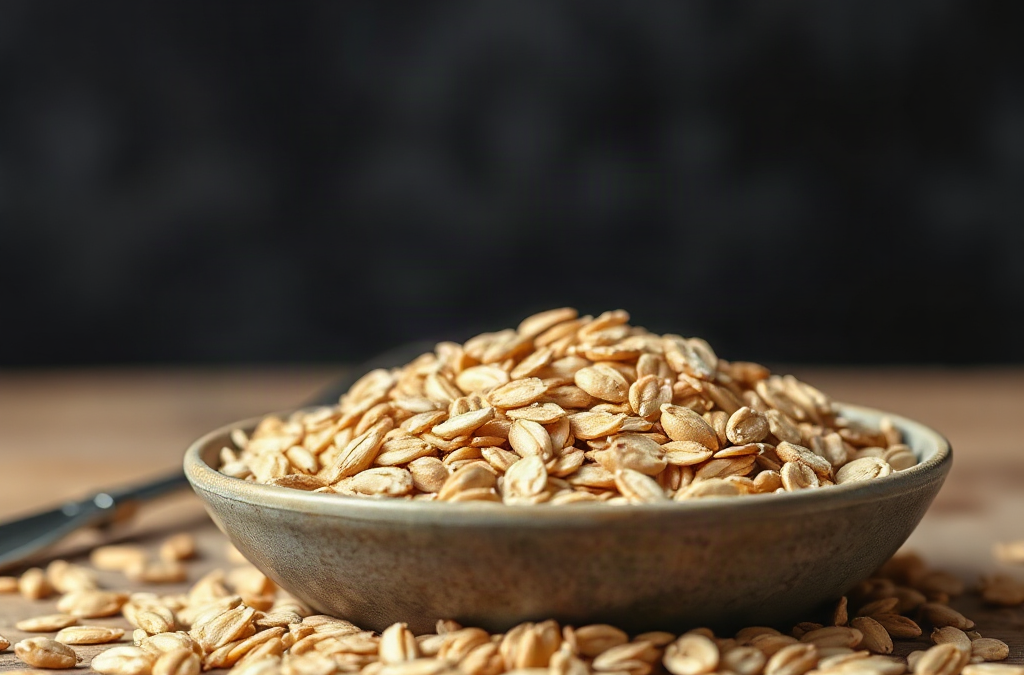
Organic grains for resistant starch and digestive health include cooked-and-cooled oats, barley, brown rice, and other intact grains, because cooling changes part of their starch into a form that reaches the colon for microbial fermentation. Cook grains thoroughly, chill them promptly, and use them within a safe storage window; reheating may preserve some resistant starch but does not make poor food handling safe. Choose intact or minimally processed grains for more fiber and slower digestion, then increase portions gradually if your usual diet is low in fiber. Resistant starch may support beneficial gut microbes and steadier post-meal glucose responses, but individual tolerance varies, especially with irritable bowel symptoms or sudden diet changes.
How Resistant Starch Forms in Organic Grains
Resistant starch is a portion of starch that is not fully broken down in the small intestine. It travels to the large intestine, where gut microbes ferment it and produce compounds such as short-chain fatty acids. The amount present in a grain depends on its structure, processing, cooking method, and whether it is cooled after cooking.
Cooling matters because gelatinized starch can reorganize as it rests, a process often called retrogradation. Cooked rice, barley, or oats that are chilled may therefore contain more resistant starch than the same grain eaten immediately while hot. The change is useful but not absolute: cooling does not convert the entire serving into resistant starch, and the amount varies with grain type and preparation.

Organic certification addresses how a grain is produced and handled under the applicable organic standard; it does not automatically mean that the grain contains more resistant starch. A certified organic white rice and a conventional white rice may have similar starch behavior, while an organic intact barley may differ substantially from either because the grain is less refined. For digestive health, the meaningful comparison is often organic whole or minimally processed grain versus refined grain, not organic versus non-organic alone.
A practical example is a batch of barley cooked until tender, cooled in a shallow container, and added to a refrigerated salad the next day. The barley supplies resistant starch along with fiber and a chewy structure that slows eating. By contrast, a sweetened instant grain cup may be organic yet highly processed and easier to consume quickly. The label can matter for sourcing preferences, but grain form and preparation usually matter more for this specific digestive-health goal.
Resistant starch is not a treatment for constipation, diabetes, or a digestive disorder. It may support a healthier microbial environment and a more gradual carbohydrate response, but outcomes depend on the whole meal, total fiber intake, activity, medication, and individual physiology. Readers comparing options can also review Organic grains for resistant starch and digestive health alongside broader meal-planning information.
Which Grains Offer the Most Practical Benefits
Intact or minimally processed organic grains are usually the strongest starting point because they retain more of the grain’s original structure. Barley, steel-cut oats, old-fashioned rolled oats, brown rice, wild rice, rye berries, wheat berries, and sorghum can all fit a resistant-starch-focused eating pattern. Their exact nutrient profiles differ, so no single grain needs to dominate the diet.
Barley is especially useful when its chewy kernels are cooked and cooled for salads, soups, or grain bowls. Oats offer beta-glucan, a viscous soluble fiber, but steel-cut and rolled oats are not interchangeable with instant oats in texture or preparation. Brown rice retains bran and germ, while wild rice is a different aquatic grass seed with a firm texture and distinctive cooking time. These differences affect satiety, meal convenience, and tolerance as much as the resistant-starch question.
Whole-grain flour and grain-based breads can still contribute fiber, but milling reduces the physical structure that slows digestion. A whole-grain bread is not nutritionally identical to a bowl of intact kernels, even when both carry a whole-grain claim. Refined grains may be appropriate when someone needs a softer, lower-fiber choice during a temporary digestive flare, so “more intact” should not be treated as universally better.
Use a simple selection test:
- For more structure: choose barley, wheat berries, rye berries, sorghum, or brown rice.
- For breakfast: use steel-cut or rolled oats, then cool leftovers for a later serving if desired.
- For convenience: choose plain frozen or refrigerated cooked grains without relying on sugary sauces.
- For gluten avoidance: select certified gluten-free oats and naturally gluten-free grains such as rice, sorghum, or wild rice, while checking facility and labeling details.
Organic grain shopping also involves cost and storage. Bulk whole grains may be economical, but bran-rich grains can develop stale or rancid flavors faster than highly refined products. Buy quantities that can be used while fresh, store them in a cool, dry place, and refrigerate or freeze longer-term supplies when practical. The best grain is one that fits the person’s tolerance, cooking routine, budget, and dietary requirements.
Cooking, Cooling, and Reheating Without Losing the Point
Preparation affects both resistant starch formation and food safety. Begin with a plain grain, cook it thoroughly according to its type, and avoid treating undercooked kernels as a shortcut to digestive benefits. A firm texture is different from a hard, poorly cooked grain that may be difficult to tolerate.
After cooking, cool leftovers promptly rather than leaving a large warm pot on the counter for extended periods. Divide the grain into shallow containers so heat leaves more quickly, refrigerate it, and use clean utensils when serving. This step matters because cooked grains can support bacterial growth when held improperly. Resistant starch is not a reason to relax basic leftover-handling practices.
Cooling overnight is a practical household method, although the resulting amount of resistant starch cannot be predicted precisely from the clock alone. Grain variety, water content, cooking temperature, cooling rate, and reheating all influence the final texture and starch structure. Reheating may leave some resistant starch in place, but it can also change the texture and should never be used to rescue food that was stored unsafely.
Consider two meal-preparation scenarios. In the first, someone cooks barley on Sunday, spreads it into containers, chills it, and uses it in lunches with beans, vegetables, olive oil, and herbs. In the second, someone leaves rice in a deep pot overnight and reheats it the next morning. The first method supports a deliberate texture and safer storage routine; the second combines uncertain cooling with a food-safety risk. The difference is handling, not whether the package says organic.
Start with one preparation rather than changing every grain at once. Try cooled barley in a salad or cooled brown rice with vegetables, then observe bloating, stool changes, appetite, and comfort over the next day. If a grain causes symptoms, return to a smaller serving, cook it more thoroughly, or choose a different grain instead of assuming that increasing the dose will improve adaptation. For more related planning ideas, see this organic grain selection reference.
Portions, Tolerance, and Everyday Meal Decisions
Digestive tolerance depends on the person and the rest of the meal. Resistant starch is fermentable, so a sudden large increase may cause gas, abdominal fullness, or altered bowel habits even when the food is nutritious. Someone accustomed to low-fiber refined foods may respond differently from someone who regularly eats legumes, vegetables, nuts, and whole grains.
A modest serving of cooled grain paired with protein and vegetables is often easier to assess than a large bowl eaten alone. For example, a small portion of chilled barley with lentils may provide substantial fermentable carbohydrate and fiber; adding a very large amount of beans at the same meal could make it difficult to identify which ingredient caused discomfort. Change one major variable at a time when testing tolerance.
Signs that the approach is working include a comfortable increase in fiber intake, regular bowel movements, satisfying meals, and no persistent worsening of digestive symptoms. Signs that the plan needs adjustment include ongoing pain, severe bloating, diarrhea, constipation that does not improve, or symptoms linked consistently to one grain. Persistent or concerning symptoms deserve medical evaluation rather than continued self-experimentation.
People with diagnosed gastrointestinal conditions, swallowing difficulties, food allergies, or medically prescribed diets may need individualized guidance. Those with celiac disease must avoid gluten-containing grains and cross-contact; choosing an organic label does not make wheat, barley, or rye gluten-free. Anyone managing blood glucose should also consider total carbohydrate, medication, and meal composition rather than assuming that resistant starch neutralizes the carbohydrate in a serving.
A useful priority order is simple: choose a grain you tolerate, favor an intact form when appropriate, cook it thoroughly, cool it safely if seeking the preparation effect, and increase portions gradually. Pairing the grain with vegetables, protein, or unsaturated fat can produce a more balanced meal than adding grain alone. Organic grains for resistant starch and digestive health work best as part of a varied eating pattern, not as a single-food solution.
Frequently Asked Questions
Are organic grains higher in resistant starch?
Not necessarily. Organic certification describes production practices, while resistant starch depends more on grain structure, processing, cooking, cooling, and reheating.
Which organic grains are easiest to use for resistant starch?
Barley, brown rice, wild rice, steel-cut oats, and rolled oats are practical choices. Cooked grains can be chilled and used in salads, bowls, or reheated dishes.
Does cooling rice or oats make them completely resistant starch?
No. Cooling may increase the resistant fraction, but the amount varies by grain and preparation. The food still contains digestible carbohydrate.
Can resistant starch cause digestive discomfort?
Yes. Fermentation may produce gas or fullness, particularly after a rapid increase. Smaller servings and gradual changes are usually easier to evaluate.
Is reheated organic rice safe?
It can be safe when cooked, cooled promptly, refrigerated, and reheated thoroughly within a sensible storage period. Reheating cannot correct rice that was held improperly.
Conclusion
Organic grains can contribute to a resistant-starch-focused eating pattern, but the organic label is only one part of the decision. Grain structure, cooking, prompt cooling, storage, portion size, and personal tolerance have greater relevance to the digestive outcome. Begin with a grain you already enjoy, such as barley, brown rice, or oats, and test a modest cooled serving alongside protein and vegetables. Keep preparation and refrigeration habits consistent so any digestive response is easier to interpret. Increase variety or quantity only when comfort remains stable. Resistant starch may support gut microbial fermentation and a more gradual carbohydrate response, but it is not a treatment and does not replace medical advice for persistent symptoms or a medically restricted diet.
Huge Discount on the Best Certified Organic Nutrient Dense Supplement!