Organic moringa powder uses and safety checks center on adding a small amount to foods while verifying ingredient quality, contamination controls, and personal medication risks. Moringa leaf powder can contribute vitamins, minerals, plant compounds, and earthy flavor to smoothies, soups, yogurt, or sauces, but it is not a substitute for a varied diet or medical treatment. Check that the package identifies Moringa oleifera leaf, provides a lot or batch code, lists testing or manufacturing information, and has no unnecessary blends. Begin with the package serving guidance, stop if digestive or allergic symptoms appear, and ask a clinician or pharmacist about interactions when using diabetes, blood-pressure, thyroid, liver, or blood-clotting medicines.
What Moringa Leaf Powder Adds to Everyday Meals
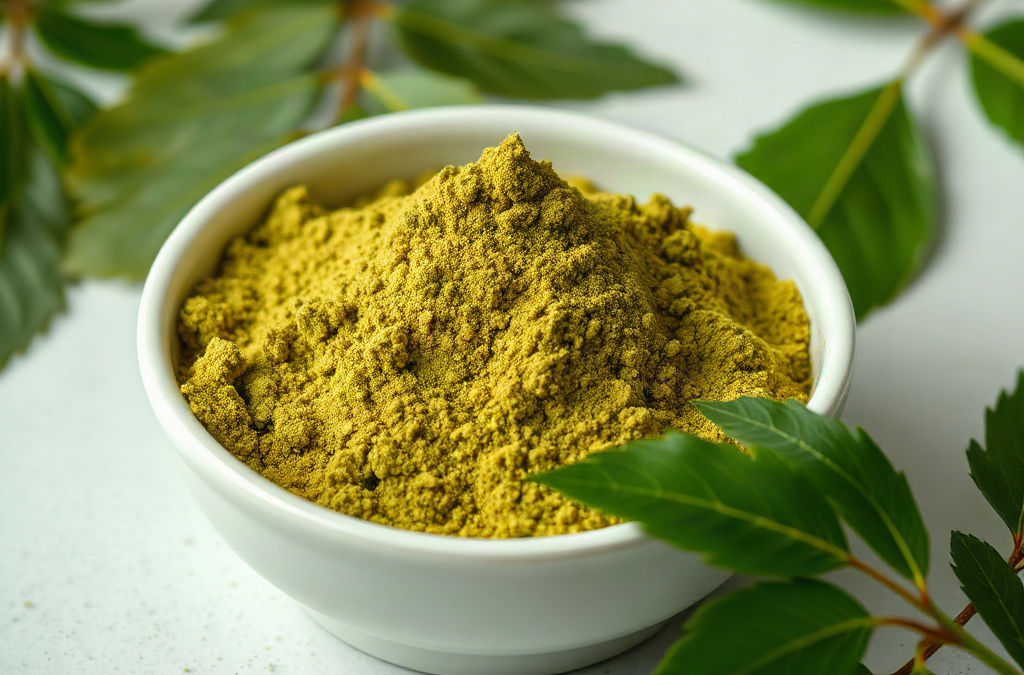
Moringa powder is usually made from dried leaves of Moringa oleifera, a plant used as a food in several regions. Its value in a kitchen is more practical than dramatic: it can add a concentrated leafy flavor and some nutrients to meals that already contain vegetables, legumes, grains, or dairy. The powder may provide vitamin A precursors, vitamin K, calcium, iron, and plant compounds, although the actual amount depends on the product, processing, serving size, and label accuracy.
A useful way to view it is as a powdered leafy ingredient, not a replacement for spinach, beans, fruit, or a medically prescribed supplement. Drying removes water, so a spoonful is more concentrated by weight than fresh leaves, but that does not make it a complete nutritional solution. A smoothie containing moringa, fruit, plain yogurt, and oats has a broader nutrient profile than moringa stirred into water alone. The comparison matters because strong supplement claims can distract from the quality of the whole meal.
The earthy, green taste comes from the leaf material and can become bitter when used heavily or heated for a long time. A person who adds a large scoop to a delicate drink may decide the product is unusable, while a smaller amount blended with pineapple, citrus, ginger, or unsweetened yogurt may be easier to tolerate. Taste is not a safety test: mild flavor does not prove purity, and bitterness does not automatically indicate contamination.
Research on moringa has explored nutritional content and possible biological effects, but evidence for treating or preventing specific diseases is not strong enough to justify replacing clinical care. People seeking iron or vitamin support should consider their total diet and, when appropriate, discuss testing with a healthcare professional rather than assuming a green powder will correct a deficiency. The practical priority is to use it as one ingredient within a varied eating pattern.
Readers comparing moringa with other greens should notice the tradeoff between convenience and food variety. Powder stores easily and takes no washing or chopping, but fresh or frozen greens provide water, texture, and often a more substantial serving of vegetables. A sensible use is occasional or regular culinary inclusion at the package-directed amount, with expectations based on nutrition and flavor rather than promises of detoxification or guaranteed energy.
Practical Ways to Use It Without Overdoing the Flavor
Moringa powder works best when dispersed through moist foods that have enough flavor to balance its grassy taste. Smoothies, oatmeal, hummus, lentil soup, salad dressing, yogurt, and tomato-based sauces are more forgiving than plain water. Start with the smallest serving suggested on the package, mix it thoroughly, and assess both taste and digestion before deciding whether the ingredient belongs in a regular routine.
For a breakfast application, blend the powder with plain yogurt, a banana, berries, and oats rather than relying on sweetened juice. The fruit contributes acidity and sweetness, while yogurt and oats make the drink more filling. At lunch, a small amount can be whisked into lemon-tahini dressing or stirred into a bean spread. For dinner, add it near the end of cooking to a lentil or vegetable soup; prolonged boiling may alter flavor and some heat-sensitive nutrients, while late addition preserves a fresher taste.
Dry powder can clump, especially when dropped directly onto thick yogurt or soup. Mixing it first with a spoonful of water, dressing, or broth creates a paste that distributes more evenly. This step also makes it easier to notice an unusual odor, dampness, grit, or discoloration before the ingredient disappears into a full recipe. Do not use a product with a musty smell, visible moisture, insects, or packaging damage.
More is not automatically more useful. A large amount can make a meal bitter and may increase the chance of nausea, loose stools, cramping, or bloating. Increasing the serving to chase a claimed effect is a common mistake because dose-response information for many advertised benefits is limited. If the product is being used for a nutrient concern, food-based sources and professional advice may be more appropriate than escalating the powder.
Storage affects practical quality. Keep the container tightly closed in a cool, dry cupboard, use a clean and dry measuring spoon, and follow the package date and storage instructions. Refrigeration is not automatically better if repeated temperature changes cause condensation inside the container. Compare moringa with another powdered green ingredient according to the meal: spirulina may have a different taste and nutrient profile, while leafy vegetables offer more volume and chewing satisfaction. The best choice is the one that fits the recipe and does not displace more varied foods.
A useful related reference for meal planning is Organic moringa powder uses and safety checks, particularly when deciding whether the powder is serving a culinary purpose or being treated as a supplement.
Package, Organic, and Quality Checks That Matter
The word “organic” describes a production and certification claim; it does not, by itself, prove that a powdered supplement is free from pathogens, heavy metals, pesticides, adulterants, or inaccurate labeling. Quality depends on cultivation, harvesting, drying, milling, transport, packaging, and testing. A responsible label should clearly identify the plant part, usually leaf, provide net quantity and serving information, show a lot or batch code, and identify the manufacturer or responsible distributor.
Read the ingredient panel before relying on front-label language. A single-ingredient product makes it easier to evaluate what you are consuming than a blend containing moringa, herbs, stimulants, sweeteners, or proprietary amounts. “Leaf powder” is more specific than a product that merely says moringa, because roots and other plant parts raise different safety questions. Avoid confusing leaf powder with seed oil, root powder, or a concentrated extract; those are not interchangeable forms.
Independent testing can add useful evidence, but vague phrases such as “lab tested” are not enough to judge what was tested or when. Look for accessible information about identity, contaminants, and batch-level quality rather than assuming a marketing seal guarantees every attribute. Organic certification may address agricultural practices, while separate manufacturing controls may address contamination and accurate contents. The two questions should be considered separately.
Price is an imperfect quality signal. A very inexpensive product may reflect large-scale sourcing, but it may also provide little information about testing or traceability. A high price can reflect packaging or branding without proving superior composition. A practical buyer compares the ingredient list, batch identification, storage condition, test transparency, and return or contact information instead of choosing solely by color or cost.
Color deserves cautious interpretation. Bright green powder may look fresh, but color can vary with harvest, drying, and light exposure. Brownish material may be old or poorly stored, yet appearance alone cannot establish contamination. If a package lacks a lot number, has a broken seal, uses unexplained proprietary language, or makes disease-treatment claims, those are stronger reasons to choose another product than a minor difference in shade.
Consumers who buy online should inspect the actual seller and packaging rather than relying on a product photograph. A marketplace listing may change suppliers or display incomplete information. Save the lot code until the product has been used and retain the package if an adverse reaction occurs. These small records make it easier to contact the manufacturer, pharmacist, clinician, or relevant consumer-safety authority.
Safety Limits, Medication Questions, and Stop Signals
Moringa leaf powder is a food-like product, but concentrated use can still matter for people with medical conditions or medication schedules. Human evidence is not sufficient to treat moringa as a reliable therapy for diabetes, high blood pressure, thyroid disease, liver disease, infection, or any other condition. Laboratory and preliminary human findings do not establish that a powder will produce the same effect in everyday use.
Medication review deserves particular attention because moringa may theoretically or practically affect blood glucose, blood pressure, clotting, or drug metabolism, while the size of any interaction is uncertain. Someone taking insulin or glucose-lowering medicine, blood-pressure medicine, anticoagulants, or other narrow-margin treatments should ask a pharmacist or prescriber before using it routinely. The question should include the exact product, serving amount, medication names, and intended frequency.
Pregnancy and breastfeeding call for extra caution because safety information for concentrated herbal products is often limited. Children should not be given a supplement dose based on an adult label without qualified advice. People with known plant allergies, sensitive digestion, or a history of reactions to powdered botanicals may prefer not to experiment, or may need individualized guidance before doing so.
Stop using the product and seek appropriate medical help for facial swelling, breathing difficulty, widespread hives, severe vomiting, fainting, or other urgent symptoms. Less severe symptoms such as persistent nausea, abdominal pain, diarrhea, headache, or an unusual change in glucose or blood-pressure readings also warrant stopping and discussing the situation with a professional. Do not assume that symptoms are a harmless “detox” response; that explanation can delay attention to an allergy, contamination, or interaction.
Contamination is a separate concern from side effects. A reaction affecting several people who consumed the same batch, a sudden strong odor, or a package that appears wet or compromised should prompt discontinuation and preservation of the product for identification. Do not taste-test a questionable powder to decide whether it is safe. The alternative—discarding or reporting it—carries less risk than consuming an unknown material.
Use extra care when combining moringa with multiple botanical powders. A blend makes it difficult to identify the source of a reaction and may introduce additional ingredients with their own effects. A single-ingredient product at a modest amount is easier to monitor than a complex “detox,” hormone, or energy formula. This is one reason the safety checks in Organic moringa powder uses and safety checks should come before recipe experimentation.
A Simple Decision Process for First-Time Use
A short screening process can prevent most avoidable problems. First decide why the powder is being considered. If the goal is flavor, convenience, or an extra leafy ingredient, culinary use may be reasonable for many healthy adults. If the goal is to lower glucose, replace iron treatment, control blood pressure, or manage a diagnosed condition, the decision belongs in a healthcare conversation rather than a supplement aisle.
Next inspect the product before opening it. Confirm the plant part, ingredient list, serving directions, lot code, seal, expiry information, storage instructions, and manufacturer contact details. Look for meaningful quality documentation, not only an organic logo or a claim that the powder is “pure.” If information is missing or the package makes cure-like promises, choose a product with clearer traceability or skip it.
Then introduce it in a controlled meal. Use the label’s smallest reasonable serving, add it to one familiar recipe, and avoid starting several new supplements on the same day. Record the product and amount if you take regular medicines or have a condition that affects glucose, blood pressure, digestion, or allergy risk. This makes cause and effect easier to assess than taking a large dose in a complicated blend.
Monitor both success and failure. A successful trial means the powder is tolerable, fits the meal, and does not create pressure to replace vegetables, prescribed treatment, or professional monitoring. A failed trial may involve persistent digestive symptoms, an unacceptable flavor, unclear product information, or a price that does not justify the convenience. There is no nutritional requirement to continue a supplement that does not offer a clear practical role.
- Keep it culinary: use it in a balanced meal instead of treating it as a cure.
- Keep the label visible: retain the batch information and follow storage directions.
- Keep medical questions specific: show the exact package to a pharmacist or clinician.
- Keep the first trial simple: avoid stacking multiple new herbs or extracts.
The same approach applies when comparing moringa with a whole-food alternative. If fresh greens, frozen vegetables, legumes, nuts, or fortified foods can meet the dietary goal more reliably, they may be the better investment. Powder is most defensible when convenience helps someone add a small amount of leafy plant material without displacing a varied diet. For another practical reference point, see Organic moringa powder uses and safety checks before changing serving size or combining it with medication-sensitive supplements.
Frequently Asked Questions
What is the simplest way to use moringa powder?
Mix the package-directed amount into a smoothie, yogurt, oatmeal, dressing, or soup. Begin with a small serving because the flavor can be bitter and digestive tolerance varies.
Does organic moringa powder guarantee safety?
No. Organic status concerns production standards, while identity testing, contaminant controls, manufacturing quality, and accurate labeling require separate attention.
Can moringa powder replace vegetables or vitamins?
It should not replace a varied diet or a prescribed supplement. Whole and frozen vegetables provide volume, water, fiber, and food variety that a small amount of powder cannot duplicate.
Should people taking medication ask before using it?
Yes, especially people using diabetes, blood-pressure, blood-clotting, thyroid, or other regular medicines. A pharmacist can review the exact product and serving amount for possible concerns.
What signs mean moringa powder should be discarded?
Discard powder with moisture, mold, insects, a musty or unusual odor, damaged packaging, missing traceability information, or a visibly broken seal. Do not taste-test questionable powder.
Conclusion
Moringa leaf powder is most useful as a small, convenient culinary ingredient rather than a disease remedy or substitute for vegetables. Choose a product with a clear ingredient identity, batch information, sensible serving directions, and meaningful quality documentation; an organic claim alone does not settle every safety question. Add it to a balanced meal, introduce it gradually, and avoid increasing the amount simply to pursue an advertised effect. People who are pregnant, breastfeeding, managing a medical condition, using regular medication, or prone to plant reactions should obtain individualized advice before routine use. Stop if symptoms appear, preserve the package details, and treat unusual odor, moisture, or unclear labeling as reasons to reject the product. Good use combines modest portions, realistic nutrition expectations, and careful product judgment.
Huge Discount on the Best Certified Organic Nutrient Dense Supplement!