
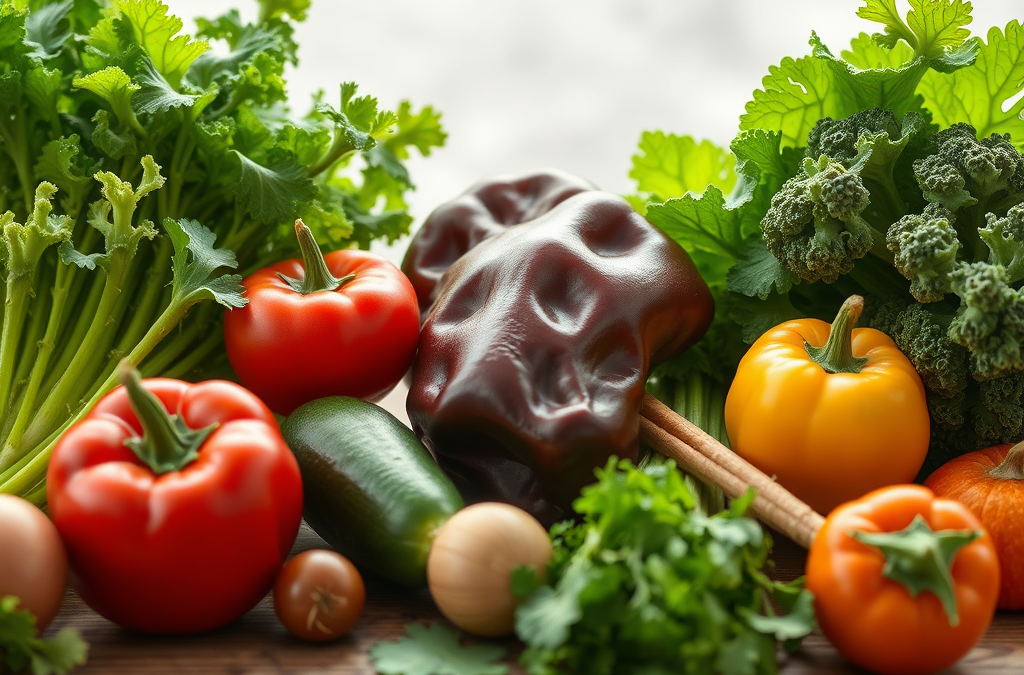
Organic vegetable varieties that are nutrient dense include kale, spinach, and carrots, which provide essential vitamins and minerals. These vegetables are often richer in nutrients due to organic farming practices that enhance soil quality and biodiversity. Incorporating a variety of these vegetables into your diet can significantly improve overall health and well-being, making them a smart choice for anyone seeking to boost their nutrient intake.
Understanding Nutrient Density in Organic Vegetables
Nutrient density refers to the amount of essential nutrients a food provides relative to its calorie content. Organic vegetables are often considered more nutrient-dense than their conventional counterparts due to farming practices that prioritize soil health and biodiversity. For instance, organic farming avoids synthetic fertilizers and pesticides, which can degrade soil quality over time. As a result, organic vegetables typically have higher concentrations of vitamins, minerals, and antioxidants. This means that choosing organic varieties can lead to better health outcomes, as they provide more nutrients per calorie consumed.
Moreover, the growing conditions for organic vegetables, such as crop rotation and composting, can enhance their nutrient profiles. These practices not only improve soil structure but also promote a more diverse ecosystem that benefits plant growth. Therefore, when selecting vegetables, it’s crucial to consider both the farming methods used and the specific varieties that offer the highest nutrient density.
Top Nutrient-Dense Organic Vegetable Varieties

Several organic vegetable varieties stand out for their nutrient density. Here are some of the top choices:
- Kale: Often hailed as a superfood, kale is rich in vitamins A, C, and K, as well as antioxidants. Its high fiber content also supports digestive health.
- Spinach: Spinach is packed with iron, magnesium, and vitamins A and C. Its nutrient profile makes it an excellent choice for promoting overall health.
- Carrots: Known for their high beta-carotene content, carrots are great for eye health and provide a good source of fiber.
- Broccoli: This cruciferous vegetable is high in vitamins C and K, as well as sulforaphane, which has been linked to cancer prevention.
- Beets: Beets are rich in nitrates, which can improve blood flow and lower blood pressure. They are also high in folate and manganese.
Incorporating these vegetables into your meals can significantly boost your nutrient intake. They can be enjoyed raw in salads, steamed, roasted, or blended into smoothies, providing versatility in your diet.
Benefits of Choosing Organic Vegetables
Choosing organic vegetables not only supports personal health but also contributes to environmental sustainability. Organic farming practices are designed to enhance soil health, promote biodiversity, and reduce pollution. These practices often lead to vegetables that are not only more nutritious but also free from harmful pesticide residues.
Additionally, consuming organic vegetables can support local farmers and the economy. By choosing to buy organic, you are often purchasing from local sources that prioritize sustainable practices, which can lead to fresher produce arriving at your table. Furthermore, studies suggest that organic produce may have higher levels of certain antioxidants, which can help combat oxidative stress in the body.
However, it’s essential to note that while organic vegetables are generally nutrient-dense, the exact nutrient content can vary based on factors such as soil quality, climate, and farming methods. Therefore, it is advisable to choose a variety of organic vegetables to maximize nutrient intake and health benefits.
How to Incorporate More Nutrient-Dense Vegetables into Your Diet
Incorporating nutrient-dense organic vegetables into your diet can be simple and enjoyable. Here are some practical strategies:
- Meal Planning: Plan your meals around seasonal organic vegetables. This not only ensures freshness but also encourages variety.
- Snacking Wisely: Replace processed snacks with raw organic veggies. Carrot sticks, cucumber slices, and bell pepper strips make for healthy snacks.
- Experiment with Cooking: Try different cooking methods to discover what you enjoy most. Steaming, roasting, and sautéing can enhance flavors and nutrient absorption.
- Join a CSA: Consider joining a Community Supported Agriculture (CSA) program. This provides access to a variety of organic vegetables and fosters a connection with local farmers.
- Grow Your Own: If possible, start a small garden. Growing your own vegetables can be rewarding and ensures you have fresh, organic produce at hand.
By implementing these strategies, you can easily increase your intake of nutrient-dense organic vegetables, leading to better health outcomes and a more balanced diet.
Frequently Asked Questions
What are nutrient-dense vegetables?
Nutrient-dense vegetables are those that provide a high amount of vitamins, minerals, and other beneficial compounds relative to their calorie content.
Are organic vegetables more nutritious than conventional ones?
Many studies suggest that organic vegetables may have higher antioxidant levels and lower pesticide residues compared to conventional ones, making them a healthier choice.
How can I tell if a vegetable is organic?
Organic vegetables are usually labeled with a USDA organic seal or similar certification, indicating they meet specific organic farming standards.
What are some easy ways to eat more vegetables?
Incorporate vegetables into smoothies, salads, and soups, or snack on raw veggies instead of processed snacks for a healthier option.
Can I grow nutrient-dense vegetables at home?
Yes, growing your own vegetables can ensure freshness and nutrient density. Even small spaces can accommodate container gardens for herbs and greens.
Conclusion
Incorporating organic vegetable varieties that are nutrient dense into your diet is a powerful way to enhance your overall health. By understanding the benefits of these vegetables and making conscious choices about your food sources, you can significantly improve your nutrient intake. Focus on including a variety of vegetables in your meals, and don’t hesitate to explore local and organic options for the best results. Making these changes can lead to a more balanced diet and better health outcomes over time.
Huge Discount on the Best Certified Organic Nutrient Dense Supplement!



