
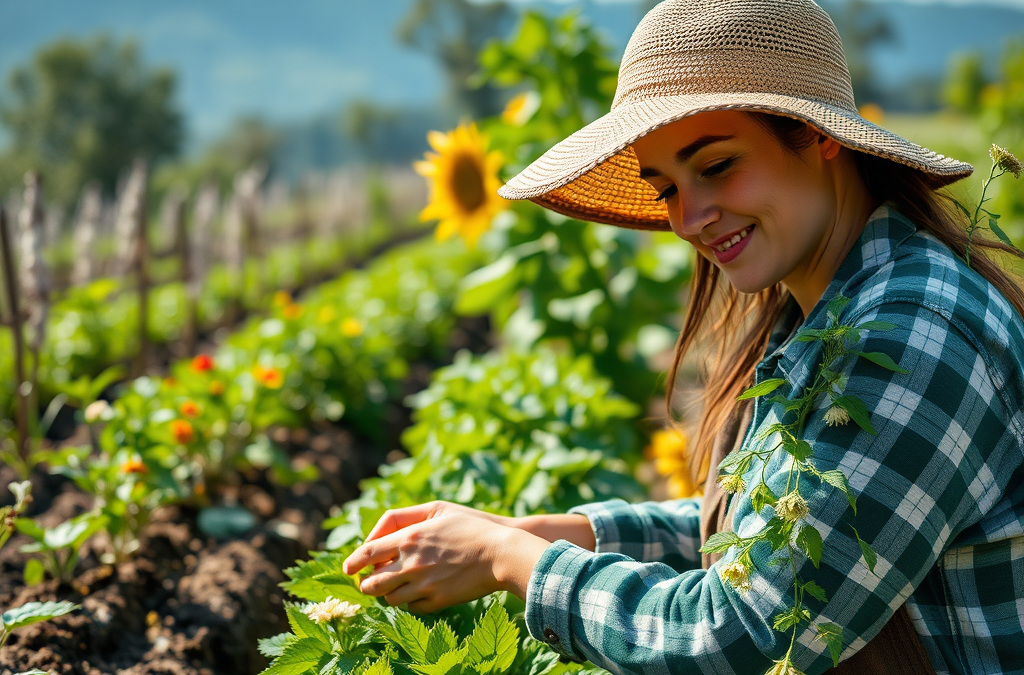
The impact of organic farming on biodiversity is significant, as it promotes healthier ecosystems through reduced chemical use and improved soil health. Organic practices enhance habitat diversity and support various species, contributing to ecological balance. However, challenges such as lower yields and the need for specific management practices can arise, making it crucial for farmers to weigh these factors carefully.
Understanding Biodiversity in Agriculture
Biodiversity refers to the variety of life forms within a given ecosystem, and in agriculture, it plays a crucial role in maintaining ecological balance. Organic farming positively impacts biodiversity by fostering a diverse range of species, including plants, insects, and microorganisms. These organisms contribute to soil health, pollination, and pest control, which are vital for sustainable agricultural practices.
One significant aspect of biodiversity in organic farming is the emphasis on crop rotation and polyculture. By planting various crops, farmers can improve soil fertility and structure while reducing the chances of pest outbreaks. This practice not only supports the local ecosystem but also enhances food security by providing a more resilient agricultural system.

Understanding Biodiversity in Agriculture matters because it turns the impact of organic farming on biodiversity from a broad idea into a decision the reader can actually apply. The practical difference usually shows up in the details: how much is needed, when the choice is made, what tradeoff is acceptable, and what sign shows the approach is working. For nutrition topics, the strongest advice connects portion size, food quality, timing, and recovery instead of treating every meal as a fixed serving.
A useful way to handle this section is to compare the normal baseline with the situation that creates extra demand. If biodiversity is the baseline concern, then organic becomes the adjustment point and farming becomes the outcome to watch. That keeps the advice specific without forcing the reader into a rigid formula that may not fit their routine, budget, tolerance, schedule, or current level of experience.
The most common mistake is changing too many variables at once. A better approach is to choose one measurable adjustment, use it consistently long enough to see a pattern, and then refine the next step based on energy, comfort, performance, safety, or reliability. This makes the guidance easier to trust because the reader can connect the recommendation to what they observe rather than guessing from a generic checklist.
The practical takeaway is to make the section actionable: identify the main constraint, choose the smallest useful change, and compare the result against the goal. When the outcome improves, the reader can keep the approach. When it does not, the next change should target the most likely bottleneck rather than repeating the same step with more effort.
Organic Farming Practices That Enhance Biodiversity
Organic farming employs several practices that directly enhance biodiversity. One such method is the use of cover crops, which are planted during off-seasons to prevent soil erosion and improve soil health. These crops also provide habitat for beneficial insects and wildlife, contributing to ecological balance.
Another beneficial practice is the implementation of integrated pest management (IPM), which utilizes biological control methods rather than chemical pesticides. IPM encourages the presence of natural predators, such as ladybugs and predatory wasps, which help control pest populations without harming non-target species.
Moreover, organic farms typically maintain hedgerows and buffer zones, which serve as habitats for various species and corridors for wildlife movement. These areas are essential for maintaining genetic diversity and supporting pollinators, which are crucial for crop production.
Organic Farming Practices That Enhance Biodiversity matters because it turns the impact of organic farming on biodiversity from a broad idea into a decision the reader can actually apply. The practical difference usually shows up in the details: how much is needed, when the choice is made, what tradeoff is acceptable, and what sign shows the approach is working. For gardening topics, the strongest advice connects soil conditions, plant needs, timing, and observable growth signals.
A useful way to handle this section is to compare the normal baseline with the situation that creates extra demand. If organic is the baseline concern, then farming becomes the adjustment point and biodiversity becomes the outcome to watch. That keeps the advice specific without forcing the reader into a rigid formula that may not fit their routine, budget, tolerance, schedule, or current level of experience.
The most common mistake is changing too many variables at once. A better approach is to choose one measurable adjustment, use it consistently long enough to see a pattern, and then refine the next step based on energy, comfort, performance, safety, or reliability. This makes the guidance easier to trust because the reader can connect the recommendation to what they observe rather than guessing from a generic checklist.
Challenges Faced by Organic Farmers
While organic farming offers numerous benefits to biodiversity, it is not without its challenges. One primary concern is the potential for lower yields compared to conventional farming methods. Organic farmers often face difficulties in managing pests and diseases without synthetic chemicals, which can lead to crop losses and reduced profitability.
Additionally, organic practices may require more labor and knowledge, as they often involve complex management strategies. Farmers must be well-versed in soil health, crop rotation, and pest management to achieve success organically. This can be daunting, especially for those transitioning from conventional methods.
Furthermore, economic constraints can limit the ability of farmers to adopt organic practices. The initial investment in organic certification and sustainable practices can be high, making it challenging for small-scale farmers to compete with large-scale conventional operations.
Challenges Faced by Organic Farmers matters because it turns the impact of organic farming on biodiversity from a broad idea into a decision the reader can actually apply. The practical difference usually shows up in the details: how much is needed, when the choice is made, what tradeoff is acceptable, and what sign shows the approach is working. For gardening topics, the strongest advice connects soil conditions, plant needs, timing, and observable growth signals.
A useful way to handle this section is to compare the normal baseline with the situation that creates extra demand. If organic is the baseline concern, then farmers becomes the adjustment point and farming becomes the outcome to watch. That keeps the advice specific without forcing the reader into a rigid formula that may not fit their routine, budget, tolerance, schedule, or current level of experience.
The most common mistake is changing too many variables at once. A better approach is to choose one measurable adjustment, use it consistently long enough to see a pattern, and then refine the next step based on energy, comfort, performance, safety, or reliability. This makes the guidance easier to trust because the reader can connect the recommendation to what they observe rather than guessing from a generic checklist.
The Role of Consumers in Supporting Biodiversity
Consumers play a vital role in promoting biodiversity through their purchasing choices. By opting for organic products, consumers support farming practices that prioritize ecological health and sustainability. This demand encourages farmers to adopt organic methods, which can lead to increased biodiversity in agricultural landscapes.
Additionally, consumers can advocate for local organic farms, thereby strengthening community ties and promoting food sovereignty. Supporting local organic agriculture helps preserve regional biodiversity by encouraging the cultivation of native species and traditional farming practices.
Moreover, educating oneself about the importance of biodiversity and organic farming can empower consumers to make informed decisions that benefit both the environment and their health. Engaging in community-supported agriculture (CSA) programs or farmers’ markets can further bolster local efforts to enhance biodiversity.
For those interested in exploring the impact of organic farming on biodiversity further, consider checking out resources from reputable organizations, such as the USDA and local agricultural extensions, which provide valuable information on sustainable practices and biodiversity conservation.
The Role of Consumers in Supporting Biodiversity matters because it turns the impact of organic farming on biodiversity from a broad idea into a decision the reader can actually apply. The practical difference usually shows up in the details: how much is needed, when the choice is made, what tradeoff is acceptable, and what sign shows the approach is working. For nutrition topics, the strongest advice connects portion size, food quality, timing, and recovery instead of treating every meal as a fixed serving.
A useful way to handle this section is to compare the normal baseline with the situation that creates extra demand. If biodiversity is the baseline concern, then organic becomes the adjustment point and farming becomes the outcome to watch. That keeps the advice specific without forcing the reader into a rigid formula that may not fit their routine, budget, tolerance, schedule, or current level of experience.
Frequently Asked Questions
What is the main benefit of organic farming for biodiversity?
The main benefit is that organic farming practices enhance habitat diversity and support a variety of species, contributing to ecological balance.
How do cover crops affect biodiversity?
Cover crops improve soil health and provide habitats for beneficial insects, thereby enhancing overall biodiversity in agricultural systems.
What challenges do organic farmers face regarding biodiversity?
Organic farmers often encounter challenges such as lower yields, pest management difficulties, and the economic burden of transitioning to organic practices.
How can consumers support biodiversity through their food choices?
Consumers can support biodiversity by purchasing organic products and advocating for local organic farms, which promotes sustainable agricultural practices.
What is integrated pest management (IPM)?
IPM is a strategy that uses biological control methods rather than chemical pesticides to manage pests, thereby supporting biodiversity in farming systems.
Conclusion
Organic farming significantly impacts biodiversity by promoting practices that enhance ecological balance and support diverse species. While there are challenges such as lower yields and economic constraints, the benefits to the environment and sustainable agriculture are substantial. Consumers can play a crucial role in supporting these practices by choosing organic products and advocating for local farms, ultimately contributing to a healthier planet.
Huge Discount on the Best Certified Organic Nutrient Dense Supplement!