
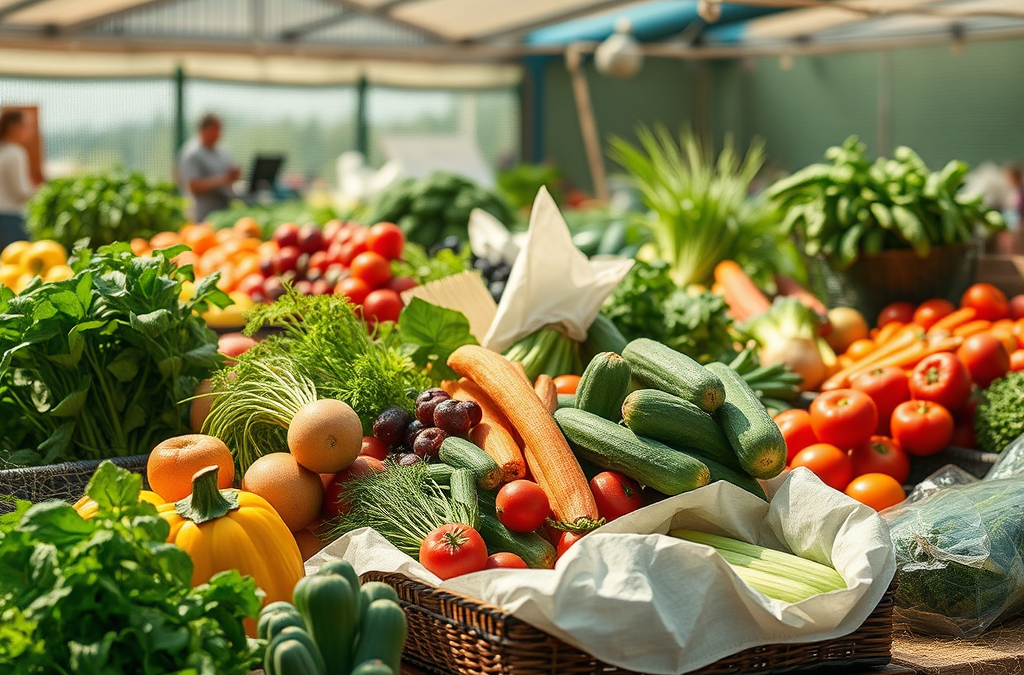
The environmental benefits of choosing organic foods include reduced chemical use, improved soil health, and enhanced biodiversity. Organic farming practices prioritize sustainable methods, which minimize pollution and conserve water. By avoiding synthetic pesticides and fertilizers, organic agriculture promotes a healthier ecosystem, supporting wildlife and reducing the carbon footprint associated with food production.
Reduced Chemical Use and Pollution
One of the primary environmental benefits of choosing organic foods is the significant reduction in chemical use and pollution. Organic farming avoids synthetic pesticides and fertilizers, which are commonly used in conventional farming. These chemicals can leach into soil and waterways, leading to pollution and detrimental effects on aquatic ecosystems. By opting for organic foods, consumers support farming practices that prioritize natural pest control methods and organic fertilizers, such as compost and manure.
This shift not only helps reduce the chemical load in our environment but also promotes better health outcomes for farmworkers and consumers. For example, studies have shown that organic farms have lower levels of pesticide residues in their produce, leading to safer food choices. Furthermore, organic farming practices can enhance the resilience of crops against pests and diseases, reducing the need for chemical interventions.

Reduced Chemical Use and Pollution matters because it turns the environmental benefits of choosing organic foods from a broad idea into a decision the reader can actually apply. The practical difference usually shows up in the details: how much is needed, when the choice is made, what tradeoff is acceptable, and what sign shows the approach is working. For nutrition topics, the strongest advice connects portion size, food quality, timing, and recovery instead of treating every meal as a fixed serving.
A useful way to handle this section is to compare the normal baseline with the situation that creates extra demand. If organic is the baseline concern, then foods becomes the adjustment point and chemical becomes the outcome to watch. That keeps the advice specific without forcing the reader into a rigid formula that may not fit their routine, budget, tolerance, schedule, or current level of experience.
The most common mistake is changing too many variables at once. A better approach is to choose one measurable adjustment, use it consistently long enough to see a pattern, and then refine the next step based on energy, comfort, performance, safety, or reliability. This makes the guidance easier to trust because the reader can connect the recommendation to what they observe rather than guessing from a generic checklist.
The practical takeaway is to make the section actionable: identify the main constraint, choose the smallest useful change, and compare the result against the goal. When the outcome improves, the reader can keep the approach. When it does not, the next change should target the most likely bottleneck rather than repeating the same step with more effort.
Soil Health and Biodiversity
Organic farming significantly contributes to soil health and biodiversity, which are crucial for sustainable agriculture. Organic practices, such as crop rotation, cover cropping, and reduced tillage, help maintain soil structure and fertility. Healthy soils are essential for growing nutrient-dense foods and can store carbon, thus playing a role in mitigating climate change.
Biodiversity is another critical aspect of organic farming. By promoting a variety of plants and reducing monoculture practices, organic farms support a diverse range of organisms, from beneficial insects to soil microbes. This diversity helps create a balanced ecosystem where pests are naturally controlled, reducing the reliance on chemical pesticides. For instance, planting cover crops not only protects the soil from erosion but also provides habitat for pollinators, which are vital for crop production.
Soil Health and Biodiversity matters because it turns the environmental benefits of choosing organic foods from a broad idea into a decision the reader can actually apply. The practical difference usually shows up in the details: how much is needed, when the choice is made, what tradeoff is acceptable, and what sign shows the approach is working. For nutrition topics, the strongest advice connects portion size, food quality, timing, and recovery instead of treating every meal as a fixed serving.
A useful way to handle this section is to compare the normal baseline with the situation that creates extra demand. If organic is the baseline concern, then soil becomes the adjustment point and foods becomes the outcome to watch. That keeps the advice specific without forcing the reader into a rigid formula that may not fit their routine, budget, tolerance, schedule, or current level of experience.
The most common mistake is changing too many variables at once. A better approach is to choose one measurable adjustment, use it consistently long enough to see a pattern, and then refine the next step based on energy, comfort, performance, safety, or reliability. This makes the guidance easier to trust because the reader can connect the recommendation to what they observe rather than guessing from a generic checklist.
The practical takeaway is to make the section actionable: identify the main constraint, choose the smallest useful change, and compare the result against the goal. When the outcome improves, the reader can keep the approach. When it does not, the next change should target the most likely bottleneck rather than repeating the same step with more effort.
Water Conservation and Management
Choosing organic foods contributes to better water conservation and management. Organic farming practices emphasize the efficient use of water resources, which is increasingly important in the context of climate change and water scarcity. Techniques such as mulching, cover cropping, and contour farming help retain moisture in the soil and reduce the need for irrigation.
Moreover, organic farms often utilize rainwater harvesting and other sustainable practices to minimize their water footprint. This approach not only conserves water but also reduces runoff and erosion, leading to healthier waterways. For example, a study by the USDA found that organic farms generally have better water retention capabilities than their conventional counterparts, leading to improved resilience during drought conditions.
Water Conservation and Management matters because it turns the environmental benefits of choosing organic foods from a broad idea into a decision the reader can actually apply. The practical difference usually shows up in the details: how much is needed, when the choice is made, what tradeoff is acceptable, and what sign shows the approach is working. For nutrition topics, the strongest advice connects portion size, food quality, timing, and recovery instead of treating every meal as a fixed serving.
A useful way to handle this section is to compare the normal baseline with the situation that creates extra demand. If water is the baseline concern, then organic becomes the adjustment point and choosing becomes the outcome to watch. That keeps the advice specific without forcing the reader into a rigid formula that may not fit their routine, budget, tolerance, schedule, or current level of experience.
The most common mistake is changing too many variables at once. A better approach is to choose one measurable adjustment, use it consistently long enough to see a pattern, and then refine the next step based on energy, comfort, performance, safety, or reliability. This makes the guidance easier to trust because the reader can connect the recommendation to what they observe rather than guessing from a generic checklist.
Supporting Local Ecosystems
Organic farming plays a vital role in supporting local ecosystems. By prioritizing sustainable practices, organic farms help maintain the integrity of local environments. This includes protecting native species and habitats, which are often threatened by industrial agriculture.
Additionally, organic farms often engage in community-supported agriculture (CSA) programs, which connect consumers directly with local producers. This relationship fosters a sense of community and encourages sustainable consumption patterns. By choosing organic foods, consumers not only support environmentally friendly farming practices but also contribute to the economic viability of local farmers.
Supporting Local Ecosystems matters because it turns the environmental benefits of choosing organic foods from a broad idea into a decision the reader can actually apply. The practical difference usually shows up in the details: how much is needed, when the choice is made, what tradeoff is acceptable, and what sign shows the approach is working. For nutrition topics, the strongest advice connects portion size, food quality, timing, and recovery instead of treating every meal as a fixed serving.
A useful way to handle this section is to compare the normal baseline with the situation that creates extra demand. If organic is the baseline concern, then local becomes the adjustment point and choosing becomes the outcome to watch. That keeps the advice specific without forcing the reader into a rigid formula that may not fit their routine, budget, tolerance, schedule, or current level of experience.
The most common mistake is changing too many variables at once. A better approach is to choose one measurable adjustment, use it consistently long enough to see a pattern, and then refine the next step based on energy, comfort, performance, safety, or reliability. This makes the guidance easier to trust because the reader can connect the recommendation to what they observe rather than guessing from a generic checklist.
Frequently Asked Questions
What are the main environmental benefits of organic foods?
The main environmental benefits of organic foods include reduced chemical pollution, improved soil health, enhanced biodiversity, and better water conservation.
How does organic farming improve soil health?
Organic farming improves soil health through practices like crop rotation and cover cropping, which enhance soil structure and fertility while supporting beneficial organisms.
Are organic foods better for the environment than conventional foods?
Yes, organic foods are generally better for the environment as they reduce chemical use, promote biodiversity, and utilize sustainable farming practices that protect ecosystems.
What role does biodiversity play in organic farming?
Biodiversity is crucial in organic farming as it enhances ecosystem balance, supports natural pest control, and contributes to healthier crops and soils.
How can consumers support organic farming?
Consumers can support organic farming by choosing organic products, participating in community-supported agriculture (CSA), and advocating for sustainable agricultural policies.
Conclusion
Choosing organic foods offers significant environmental benefits that extend beyond individual health. By supporting organic farming practices, consumers contribute to reduced chemical pollution, improved soil health, and enhanced biodiversity. This, in turn, promotes a more sustainable food system that benefits local ecosystems and communities. Prioritizing organic foods is not merely a personal choice; it is a commitment to a healthier planet and a sustainable future for agriculture.
Huge Discount on the Best Certified Organic Nutrient Dense Supplement!

Related Content
- The Ultimate Guide to 10 Effective Organic Nutrition Powder Tips for 2025
- Best Organic Detox Supplement in Crestview Kentucky
- The Benefits of Organic Foods in Managing Chronic Pain: Nutritional Insights and Practical Applications
- 10 Effective Organic Immune Boosters for Better Health in 2025
- The Connection Between Organic Farming and Biodiversity: Enhancing Ecosystem Health Through Sustainable Practices
Further Reading
Authoritative Sources
- NIH Office of Dietary Supplements
ods.od.nih.govEvidence-based information on vitamins, minerals, supplements, and nutrition-related questions.
- USDA FoodData Central
fdc.nal.usda.govUSDA nutrient data for foods and ingredients used in nutrition decisions.
- Harvard T.H. Chan School of Public Health Nutrition Source
hsph.harvard.eduPublic health nutrition guidance and educational resources.