Organic beetroot powder versus beet juice comparison comes down to concentration, convenience, and how reliably each product delivers dietary nitrate. Beet juice is ready to drink and may provide a more predictable liquid dose, while powder stores longer, travels easily, and can be mixed into food or water. Neither form is automatically healthier: processing, serving size, nitrate testing, added sugar, and product freshness matter more than the word organic alone. People managing blood pressure, taking nitrate-related medicines, or prone to kidney stones should seek medical advice before using concentrated beet products. For routine use, compare verified nitrate information, choose an unsweetened option, and treat either form as a supplement to a varied diet rather than a treatment.
How Beetroot Powder and Beet Juice Differ
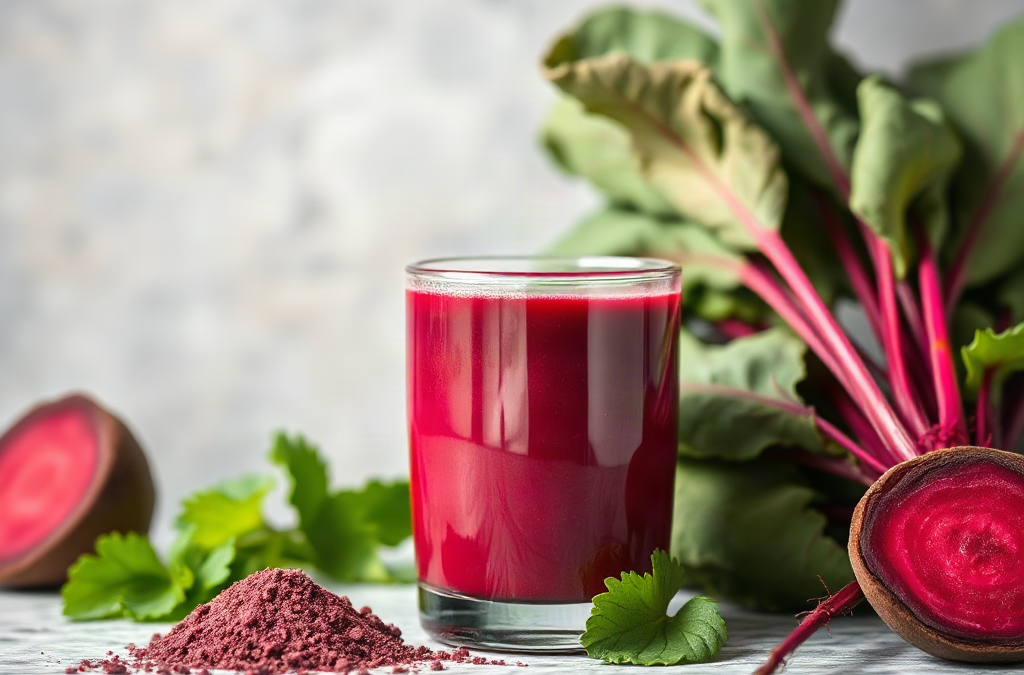
Beetroot powder is made by drying beetroot and milling it into a concentrated ingredient, whereas beet juice is the liquid extracted from fresh or processed beets. That difference affects storage, texture, serving volume, sweetness, and the ability to judge how much beetroot—and potentially nitrate—a serving contains. Powder may be blended into water, yogurt, oats, smoothies, or savory sauces. Juice is usually consumed on its own, diluted, or combined with other fruit and vegetable juices.
Powder is often the more practical option for people who dislike carrying liquid, have limited refrigerator space, or want a small addition to a meal. A jar can last through repeated uses, but its apparent convenience can hide an important limitation: a scoop is not a universal measure of nitrate. Drying methods, beet variety, growing conditions, processing, and batch testing all influence the final composition. A product that lists only “beetroot powder” does not necessarily provide enough information to compare its physiological effect with a bottled juice.
Juice offers a different kind of predictability. The liquid is already mixed and measured, and some products identify nitrate content or are formulated specifically for that purpose. On the other hand, juice can contain considerable naturally occurring sugar, added sweeteners, or extra fruit ingredients. A sweetened blend may be less suitable for someone trying to limit liquid sugar, even if it contains beet juice. Pasteurization and storage can also influence flavor and freshness, while an opened bottle normally requires prompt refrigeration.
A useful comparison is not “powder versus juice” in the abstract but “which product gives the information and format that fit the intended use?” Someone adding beetroot to breakfast may value powder’s versatility. Someone comparing a measured beverage before exercise may prefer a clearly labeled juice. The Organic beetroot powder versus beet juice comparison becomes more meaningful when serving size, nitrate disclosure, ingredients, and tolerance are assessed together.
Nitrates, Nutrition, and What the Label Reveals
The main reason people compare these forms is dietary nitrate. Oral bacteria can help convert nitrate into nitrite, and the body can then use related pathways to produce nitric oxide. Nitric oxide participates in blood-vessel signaling, which is why beet products are studied in relation to circulation and exercise physiology. This mechanism does not mean that every beet product has the same effect, or that a concentrated product treats high blood pressure or athletic limitations.
Label reading should begin with the ingredient list, then move to the serving information and any stated nitrate amount. “Organic” describes the production and handling standards attached to the certification system; it does not guarantee a particular nitrate concentration, lower sugar content, or superior clinical outcome. A certified organic juice can still contain added apple juice, while an organic powder can vary substantially between batches. If nitrate is central to the purchase, a product with transparent testing is easier to evaluate than one relying only on broad wellness language.
Beet juice may retain water-soluble compounds in a form that is immediately drinkable, but the nutrition profile depends on how the beverage was made. Filtering can remove some pulp and fiber, and a fruit-heavy blend may change the sugar and calorie profile. Powder can preserve more of the original plant material, but drying does not automatically make it equivalent to eating a serving of whole beets. It may contain fiber and pigments, yet the amount depends on processing and the quantity used.
Color is a poor quality test. Deep red liquid or powder reflects betalain pigments, not necessarily a known nitrate dose. Likewise, a strong earthy flavor does not prove potency. Look for a batch or expiration date, sealed packaging, storage instructions, independent quality information, and a serving size that can be measured consistently. If a label gives no nitrate data, describe the product as a beetroot food ingredient rather than assuming it matches a standardized performance product.
The comparison of organic beetroot powder and beet juice should also include the rest of the diet. Whole beets, leafy greens, arugula, and other vegetables provide nitrate alongside different fibers and nutrients. A powder or juice can add convenience, but it should not displace vegetables, legumes, fruit, or other foods that contribute to overall dietary quality.
Choosing the Better Form for Everyday Use
Powder generally suits flexible, low-mess routines; juice suits people who want a prepared beverage and can verify its ingredients. The better choice depends on the use case rather than a universal ranking. For a morning smoothie, powder can be combined with berries, plain yogurt, oats, or milk. For a savory application, a small amount may work in hummus or a dressing, although its color can stain porous utensils and fabrics. Juice is easier to consume quickly but may be less convenient during travel and may need refrigeration after opening.
Cost comparisons require more than comparing jar price with bottle price. Calculate the cost per labeled serving, then check whether the serving is a full food portion or merely a small scoop. A large container of powder may appear economical but become poor value if its flavor prevents regular use. Conversely, single-serve juice may reduce measuring errors while costing more and producing more packaging. The product that is actually used consistently can be more practical than the cheaper option left unopened.
Texture and digestive tolerance deserve attention. Powder can clump in cold water, settle at the bottom of a glass, or taste intensely earthy. Mixing it into a thicker food can improve the experience. Juice can be easier to swallow, but a large volume may cause stomach discomfort for some people. Start with the manufacturer’s serving guidance rather than escalating because a product seems mild. Red or pink urine and stool can occur after beet consumption and are often harmless, but unexplained blood should not be dismissed as beet coloring.
A simple purchasing sequence keeps the decision grounded:
- Define the purpose: culinary flavor, vegetable intake, convenience, or a product specifically marketed around nitrate.
- Compare the label: serving size, ingredients, sugars, sodium, nitrate disclosure, certification, and storage requirements.
- Test usability: choose a format that fits the person’s routine and can be measured without guesswork.
- Reassess tolerance: stop or reduce use if gastrointestinal symptoms, dizziness, or unusual reactions develop.
For general nutrition, an unsweetened powder may be easier to incorporate without drinking a sugary beverage. For a measured protocol, a tested juice or powder with declared nitrate content may be more informative. Neither decision should be based solely on packaging claims, vivid color, or the assumption that concentrated means better.
Safety, Timing, and Common Mistakes
Beetroot products are foods, but concentrated servings deserve the same caution applied to other supplements and functional beverages. People using blood-pressure medicines, nitrate medicines, or medicines that affect circulation should ask a clinician or pharmacist whether concentrated beet products fit their regimen. Beetroot is also relatively high in oxalates, so people with a history of calcium oxalate kidney stones may need individualized dietary advice. Anyone with kidney disease or a medically restricted diet should avoid treating a commercial serving as automatically appropriate.
Timing depends on the reason for use and the product’s instructions. Some exercise research has examined beetroot products consumed before activity, but study protocols vary and findings should not be converted into a guaranteed personal result. Taking a product immediately before an event may also be a poor first experiment: the taste, fluid volume, or digestive response could interfere with the activity. A trial on an ordinary day gives more useful information about tolerance than testing it for the first time under pressure.
Common mistakes include doubling a scoop because the powder seems weak, selecting juice with several sweeteners because it tastes better, and comparing a teaspoon of powder with an unmeasured glass of juice. Another mistake is brushing or using strong antibacterial mouthwash immediately around a nitrate-focused routine without considering that oral bacteria participate in nitrate conversion. That does not justify abandoning normal dental care; it does show why product timing and personal habits can complicate claims about results.
Store powder tightly closed in a cool, dry place and protect it from moisture. Keep opened juice refrigerated according to its packaging and discard it when it shows spoilage, gas, off odors, or an abnormal texture. Do not assume that a product labeled organic is free from contamination risk, allergen concerns from shared facilities, or quality variation. Certification and food safety are related but not interchangeable concepts.
Signs that a choice is working are modest and practical: the product fits the routine, the serving can be measured, the ingredient profile matches the goal, and it causes no unwanted symptoms. Signs that the approach is failing include escalating the dose without a clear reason, relying on it instead of vegetables, or experiencing repeated dizziness or digestive distress. The beetroot powder versus beet juice decision should remain a food-choice decision, not a substitute for medical evaluation or prescribed treatment.
For evidence-aware research, consult current nutrition information from government health agencies, university nutrition departments, and peer-reviewed reviews of dietary nitrate and beetroot products. Product-specific nitrate claims should be checked against the manufacturer’s testing and serving documentation rather than generalized claims about beets.
Frequently Asked Questions
Is organic beetroot powder healthier than beet juice?
Not automatically. Powder may be more versatile and less sugary, while juice may offer a measured beverage. Ingredients, nitrate disclosure, processing, serving size, and personal tolerance determine the more suitable option.
Which form contains more nitrate?
There is no reliable answer without product-specific testing. Nitrate varies with beet variety, farming conditions, processing, storage, and serving size, so color and taste cannot establish the amount.
Can beetroot powder replace eating beets?
It can add beetroot to a routine, but it should not be treated as a complete replacement for whole vegetables. Whole beets provide water, texture, and a broader food context that concentrated products may not match.
Does beet juice contain too much sugar?
It depends on the product. Pure beet juice contains naturally occurring sugar, while blends may include additional fruit juice or sweeteners. Compare total sugars and ingredients, especially when limiting liquid carbohydrates.
Who should be cautious with concentrated beet products?
People taking blood-pressure or nitrate medicines, those with kidney disease or a history of oxalate kidney stones, and anyone who develops dizziness or persistent digestive symptoms should seek individualized medical advice.
Conclusion
Powder and juice serve different practical purposes, so the strongest comparison begins with the intended use and the product label. Choose powder when storage, portability, and food mixing matter; choose juice when a ready-to-drink format and clearly measured serving are more useful. Give priority to unsweetened ingredients, transparent nitrate information, sensible serving sizes, and reliable storage. Organic certification can be valuable for farming and handling standards, but it does not prove a higher nitrate level or a medical benefit. Treat either format as one optional part of a vegetable-rich diet. If medicines, blood-pressure concerns, kidney conditions, or recurrent symptoms are involved, professional advice should come before concentrated use.
Huge Discount on the Best Certified Organic Nutrient Dense Supplement!