
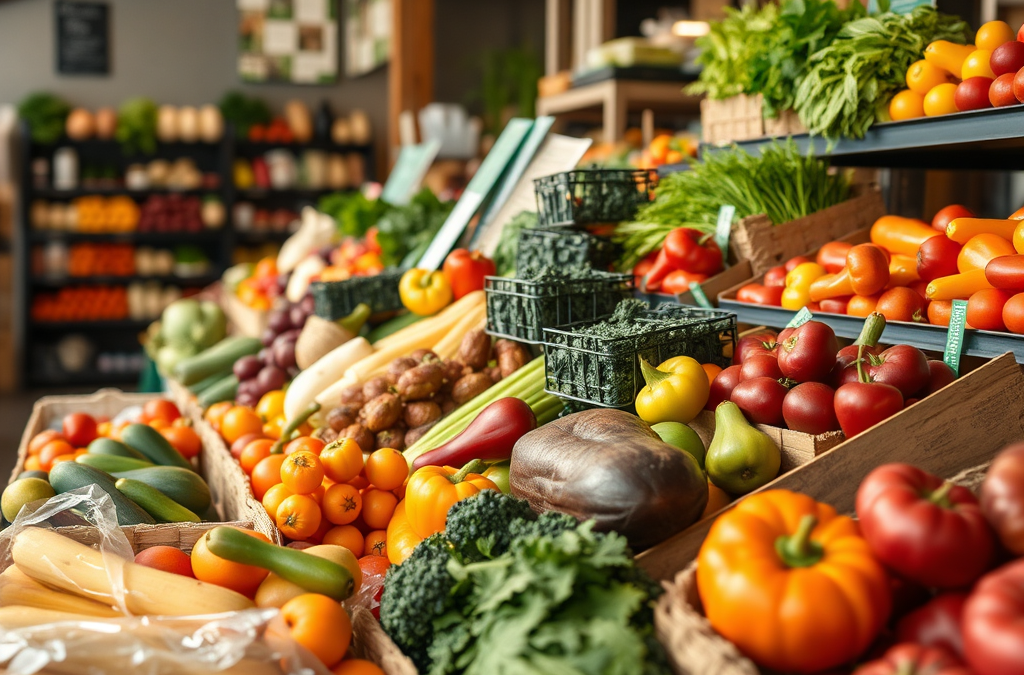
Common challenges when buying organic produce include higher prices, limited availability, and varying quality. These factors can deter consumers from purchasing organic items, as they often expect lower prices similar to conventional options. Additionally, organic produce may not always be readily available in certain regions, leading to frustration. Quality can also vary significantly based on the source and storage conditions, impacting the overall experience of buying organic.
Understanding Price Differences
One of the most significant challenges when buying organic produce is the price difference compared to conventional options. Organic products often come with a premium, primarily due to the costs associated with organic farming practices. These practices include organic certification, which requires farmers to adhere to strict guidelines that can increase production costs. Additionally, organic farms typically yield less produce per acre than conventional farms, leading to higher prices for consumers.
For instance, a study from the USDA found that organic fruits and vegetables can cost 20-100% more than their conventional counterparts. This price disparity can deter consumers, especially those on a tight budget. However, understanding the reasons behind these costs can help consumers appreciate the value of organic produce. For example, organic farming practices promote biodiversity, improve soil health, and reduce the use of synthetic pesticides, contributing to environmental sustainability.

To navigate the price challenge, consumers can look for local farmers’ markets or community-supported agriculture (CSA) programs, which often offer organic produce at more affordable prices. Buying in bulk or during peak seasons can also help reduce costs. Moreover, considering the long-term health benefits associated with organic produce may justify the higher upfront costs.
Understanding Price Differences matters because it turns common challenges when buying organic produce from a broad idea into a decision the reader can actually apply. The practical difference usually shows up in the details: how much is needed, when the choice is made, what tradeoff is acceptable, and what sign shows the approach is working. For gardening topics, the strongest advice connects soil conditions, plant needs, timing, and observable growth signals.
A useful way to handle this section is to compare the normal baseline with the situation that creates extra demand. If organic is the baseline concern, then produce becomes the adjustment point and price becomes the outcome to watch. That keeps the advice specific without forcing the reader into a rigid formula that may not fit their routine, budget, tolerance, schedule, or current level of experience.
The most common mistake is changing too many variables at once. A better approach is to choose one measurable adjustment, use it consistently long enough to see a pattern, and then refine the next step based on energy, comfort, performance, safety, or reliability. This makes the guidance easier to trust because the reader can connect the recommendation to what they observe rather than guessing from a generic checklist.
The practical takeaway is to make the section actionable: identify the main constraint, choose the smallest useful change, and compare the result against the goal. When the outcome improves, the reader can keep the approach. When it does not, the next change should target the most likely bottleneck rather than repeating the same step with more effort.
Availability Issues in Different Regions
Another challenge faced by consumers is the availability of organic produce. Depending on the region, access to organic options can vary significantly. Urban areas tend to have more grocery stores and markets that offer organic products, while rural areas may have limited options. This disparity can make it difficult for consumers in less populated regions to find fresh, organic produce.
For instance, a consumer living in a rural area might have to travel long distances to reach a store that sells organic fruits and vegetables. This lack of availability can lead to frustration and may result in consumers opting for conventional produce instead. Furthermore, even in urban areas, certain organic products may be out of stock due to supply chain issues or seasonal availability.
To overcome availability challenges, consumers can explore alternative shopping methods, such as online grocery delivery services that specialize in organic products. Additionally, joining local food co-ops can provide access to a broader range of organic produce while supporting local farmers. Staying informed about seasonal produce can also help consumers make better purchasing decisions, ensuring they get the freshest organic options available.
Availability Issues in Different Regions matters because it turns common challenges when buying organic produce from a broad idea into a decision the reader can actually apply. The practical difference usually shows up in the details: how much is needed, when the choice is made, what tradeoff is acceptable, and what sign shows the approach is working. For nutrition topics, the strongest advice connects portion size, food quality, timing, and recovery instead of treating every meal as a fixed serving.
A useful way to handle this section is to compare the normal baseline with the situation that creates extra demand. If organic is the baseline concern, then produce becomes the adjustment point and availability becomes the outcome to watch. That keeps the advice specific without forcing the reader into a rigid formula that may not fit their routine, budget, tolerance, schedule, or current level of experience.
Quality Variability of Organic Produce
Quality is another common challenge when buying organic produce. Unlike conventional produce, which is often uniform in appearance, organic fruits and vegetables may exhibit more variability in size, shape, and color. This inconsistency can be off-putting for consumers who expect organic produce to look as pristine as conventional options.
Moreover, organic produce is more susceptible to spoilage due to the absence of synthetic preservatives. This means that consumers may encounter organic items that are less fresh or have a shorter shelf life. For example, organic berries may spoil faster than conventional ones, which can lead to disappointment for consumers who expect the same longevity.
To ensure the best quality, consumers should inspect organic produce carefully before purchasing. Look for signs of freshness, such as vibrant colors and firmness. It is also advisable to buy organic items from reputable sources, such as trusted farmers’ markets or well-established grocery stores that prioritize quality. Additionally, understanding the proper storage techniques for organic produce can help prolong its freshness and minimize waste.
Quality Variability of Organic Produce matters because it turns common challenges when buying organic produce from a broad idea into a decision the reader can actually apply. The practical difference usually shows up in the details: how much is needed, when the choice is made, what tradeoff is acceptable, and what sign shows the approach is working. For technology topics, the strongest advice connects the user goal, system constraint, maintenance burden, and measurable outcome.
A useful way to handle this section is to compare the normal baseline with the situation that creates extra demand. If organic is the baseline concern, then produce becomes the adjustment point and quality becomes the outcome to watch. That keeps the advice specific without forcing the reader into a rigid formula that may not fit their routine, budget, tolerance, schedule, or current level of experience.
Misconceptions About Organic Standards
Misunderstandings surrounding organic standards can also pose challenges for consumers. Many people believe that all organic produce is pesticide-free, but this is not entirely accurate. Organic farming allows the use of certain natural pesticides, which can lead to confusion among consumers. This misconception can result in skepticism about the safety and benefits of organic products.
Additionally, some consumers may assume that organic produce is always healthier or more nutritious than conventional options. While organic farming practices promote environmental sustainability, the nutritional differences between organic and conventional produce are often minimal. Research indicates that the health benefits of organic produce stem more from the absence of synthetic chemicals than from inherent nutritional advantages.
To address these misconceptions, consumers should educate themselves about organic standards and the practices involved in organic farming. Understanding certification logos and what they signify can also help consumers make informed choices. By recognizing the realities of organic farming, consumers can better appreciate the value of organic produce and make decisions that align with their health and environmental values.
Misconceptions About Organic Standards matters because it turns common challenges when buying organic produce from a broad idea into a decision the reader can actually apply. The practical difference usually shows up in the details: how much is needed, when the choice is made, what tradeoff is acceptable, and what sign shows the approach is working. For nutrition topics, the strongest advice connects portion size, food quality, timing, and recovery instead of treating every meal as a fixed serving.
A useful way to handle this section is to compare the normal baseline with the situation that creates extra demand. If organic is the baseline concern, then produce becomes the adjustment point and consumers becomes the outcome to watch. That keeps the advice specific without forcing the reader into a rigid formula that may not fit their routine, budget, tolerance, schedule, or current level of experience.
Frequently Asked Questions
Why is organic produce more expensive?
Organic produce is often more expensive due to higher farming costs, including organic certification and lower yields compared to conventional farming.
Where can I find organic produce if it's not available in my area?
Consider online grocery delivery services or local food co-ops that specialize in organic products for better access.
How can I tell if organic produce is fresh?
Inspect organic produce for vibrant colors, firmness, and lack of blemishes to determine its freshness before purchasing.
Are all organic products pesticide-free?
No, organic farming allows the use of certain natural pesticides, so not all organic products are completely pesticide-free.
What are the health benefits of choosing organic over conventional produce?
While the nutritional differences are often minimal, organic produce is less likely to contain synthetic chemicals, which can be beneficial for health.
Conclusion
Addressing the common challenges when buying organic produce involves understanding price differences, availability issues, quality variability, and misconceptions about organic standards. By recognizing these factors, consumers can make informed choices that align with their values. Exploring local markets, understanding organic farming practices, and prioritizing quality can enhance the experience of purchasing organic produce. Ultimately, making educated decisions can lead to a more satisfying and beneficial relationship with organic foods.
Huge Discount on the Best Certified Organic Nutrient Dense Supplement!

Related Content
Further Reading
Authoritative Sources
- NIH Office of Dietary Supplements
ods.od.nih.govEvidence-based information on vitamins, minerals, supplements, and nutrition-related questions.
- USDA FoodData Central
fdc.nal.usda.govUSDA nutrient data for foods and ingredients used in nutrition decisions.
- Harvard T.H. Chan School of Public Health Nutrition Source
hsph.harvard.eduPublic health nutrition guidance and educational resources.