
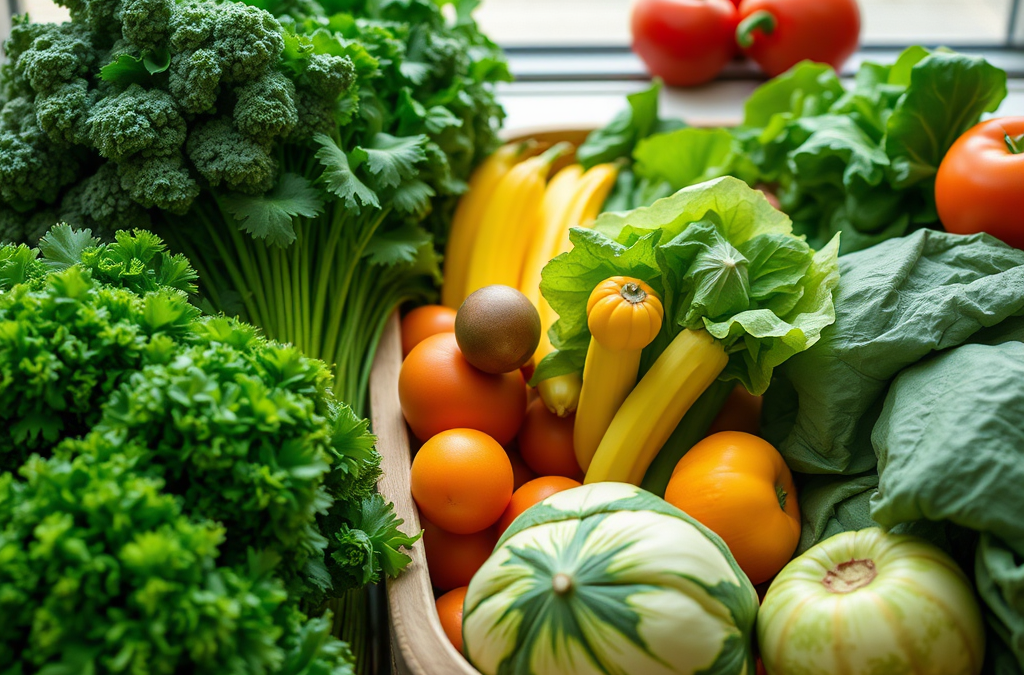
To maximize the lifespan of organic produce, store fruits and vegetables properly, keep them in optimal humidity, and maintain ideal temperatures. For example, leafy greens thrive in high humidity but should be kept away from ethylene-producing fruits like apples. Understanding the specific needs of each type of produce can significantly extend their freshness and reduce waste.
Understanding the Unique Needs of Organic Produce
Organic produce often has a shorter shelf life than conventional options due to the absence of synthetic preservatives and pesticides. This means that understanding how to properly store and handle organic fruits and vegetables is crucial for maximizing their lifespan. Each type of produce has distinct requirements for temperature, humidity, and exposure to ethylene, a natural gas released by certain fruits that can accelerate ripening and spoilage.
For instance, leafy greens like spinach and kale prefer high humidity environments. In contrast, root vegetables such as carrots and potatoes fare better in cool, dark places with lower humidity. By recognizing and catering to these needs, you can significantly increase the freshness and longevity of your organic produce.

Understanding the Unique Needs of Organic Produce matters because it turns maximize the lifespan of organic produce from a broad idea into a decision the reader can actually estimate. The practical difference usually shows up in the details: how much is needed, when the choice is made, what tradeoff is acceptable, and what sign shows the approach is working. For technology topics, the strongest advice connects the user goal, system constraint, maintenance burden, and measurable outcome.
A useful way to handle this section is to compare the normal baseline with the situation that creates extra demand. If organic is the baseline concern, then produce becomes the adjustment point and lifespan becomes the outcome to watch. That keeps the advice specific without forcing the reader into a rigid formula that may not fit their routine, budget, tolerance, schedule, or current level of experience.
The most common mistake is changing too many variables at once. A better approach is to choose one measurable adjustment, use it consistently long enough to see a pattern, and then refine the next step based on energy, comfort, performance, safety, or reliability. This makes the guidance easier to trust because the reader can connect the recommendation to what they observe rather than guessing from a generic checklist.
The practical takeaway is to make the section actionable: identify the main constraint, choose the smallest useful change, and compare the result against the goal. When the outcome improves, the reader can keep the approach. When it does not, the next change should target the most likely bottleneck rather than repeating the same step with more effort.
Optimal Storage Conditions for Different Types of Produce
Setting the right storage conditions is key to prolonging the life of organic produce. Here are some guidelines for various categories:
- Leafy Greens: Store in a breathable bag in the refrigerator’s crisper drawer. Keep them away from ethylene-producing fruits to avoid wilting.
- Fruits: Apples and bananas emit ethylene; thus, they should be stored separately from other fruits and vegetables. Berries should be kept dry and in the refrigerator.
- Root Vegetables: Potatoes, carrots, and onions should be stored in a cool, dark place. Avoid refrigeration as it can alter their taste and texture.
- Herbs: Fresh herbs like basil can be treated like flowers; keep them in a jar of water at room temperature, while others such as parsley and cilantro are best stored in the fridge wrapped in a damp paper towel.
By following these specific guidelines, you can create an environment that supports the longevity of each type of organic produce.
Optimal Storage Conditions for Different Types of Produce matters because it turns maximize the lifespan of organic produce from a broad idea into a decision the reader can actually apply. The practical difference usually shows up in the details: how much is needed, when the choice is made, what tradeoff is acceptable, and what sign shows the approach is working. For gardening topics, the strongest advice connects soil conditions, plant needs, timing, and observable growth signals.
A useful way to handle this section is to compare the normal baseline with the situation that creates extra demand. If produce is the baseline concern, then organic becomes the adjustment point and storage becomes the outcome to watch. That keeps the advice specific without forcing the reader into a rigid formula that may not fit their routine, budget, tolerance, schedule, or current level of experience.
The most common mistake is changing too many variables at once. A better approach is to choose one measurable adjustment, use it consistently long enough to see a pattern, and then refine the next step based on energy, comfort, performance, safety, or reliability. This makes the guidance easier to trust because the reader can connect the recommendation to what they observe rather than guessing from a generic checklist.
Common Mistakes That Reduce Produce Lifespan
Many consumers inadvertently shorten the lifespan of organic produce through common mistakes. One frequent error is washing produce before storage. Excess moisture can lead to mold and spoilage. Instead, wash fruits and vegetables just before consumption.
Another mistake is overcrowding in the refrigerator. When produce is packed tightly, airflow is restricted, which can cause moisture build-up and accelerate spoilage. It’s essential to provide enough space for air circulation. Additionally, not monitoring the temperature settings in the fridge can also lead to premature spoilage. Most organic produce thrives at 32°F to 40°F, so maintaining the right temperature is vital.
Common Mistakes That Reduce Produce Lifespan matters because it turns maximize the lifespan of organic produce from a broad idea into a decision the reader can actually apply. The practical difference usually shows up in the details: how much is needed, when the choice is made, what tradeoff is acceptable, and what sign shows the approach is working. For technology topics, the strongest advice connects the user goal, system constraint, maintenance burden, and measurable outcome.
A useful way to handle this section is to compare the normal baseline with the situation that creates extra demand. If produce is the baseline concern, then lifespan becomes the adjustment point and organic becomes the outcome to watch. That keeps the advice specific without forcing the reader into a rigid formula that may not fit their routine, budget, tolerance, schedule, or current level of experience.
The most common mistake is changing too many variables at once. A better approach is to choose one measurable adjustment, use it consistently long enough to see a pattern, and then refine the next step based on energy, comfort, performance, safety, or reliability. This makes the guidance easier to trust because the reader can connect the recommendation to what they observe rather than guessing from a generic checklist.
Creative Ways to Preserve Organic Produce
Preserving organic produce can be an effective way to extend its lifespan beyond its natural shelf life. Here are some creative methods:
- Freezing: Many fruits and vegetables can be blanched and frozen for later use. This method is ideal for items like spinach, peas, and berries.
- Dehydrating: Removing moisture from produce can significantly increase its shelf life. Consider dehydrating apples, tomatoes, or herbs for long-term storage.
- Canning: For those with the right equipment, canning is a viable option for preserving sauces, jams, or pickled vegetables.
- Fermenting: Fermentation not only preserves but can also enhance the flavors of vegetables like cabbage (sauerkraut) or cucumbers (pickles).
Each of these methods requires specific techniques and knowledge, but they can help ensure that organic produce remains usable long after its initial purchase.
Creative Ways to Preserve Organic Produce matters because it turns maximize the lifespan of organic produce from a broad idea into a decision the reader can actually apply. The practical difference usually shows up in the details: how much is needed, when the choice is made, what tradeoff is acceptable, and what sign shows the approach is working. For gardening topics, the strongest advice connects soil conditions, plant needs, timing, and observable growth signals.
A useful way to handle this section is to compare the normal baseline with the situation that creates extra demand. If produce is the baseline concern, then organic becomes the adjustment point and lifespan becomes the outcome to watch. That keeps the advice specific without forcing the reader into a rigid formula that may not fit their routine, budget, tolerance, schedule, or current level of experience.
The most common mistake is changing too many variables at once. A better approach is to choose one measurable adjustment, use it consistently long enough to see a pattern, and then refine the next step based on energy, comfort, performance, safety, or reliability. This makes the guidance easier to trust because the reader can connect the recommendation to what they observe rather than guessing from a generic checklist.
Frequently Asked Questions
What is the best way to store organic fruits and vegetables?
Store organic fruits and vegetables separately, as some fruits emit ethylene gas, which can accelerate spoilage. Use the refrigerator for leafy greens and berries, while root vegetables should be kept in a cool, dark place.
How can I tell if organic produce has gone bad?
Signs of spoilage include wilting, discoloration, and off smells. For fruits, check for softness or mold. If unsure, it’s best to err on the side of caution and discard any questionable produce.
Can I wash organic produce before storing it?
It’s best not to wash organic produce before storage, as excess moisture can lead to mold growth. Wash only before consumption.
What are some good methods for preserving organic produce?
Freezing, dehydrating, canning, and fermenting are excellent methods for preserving organic produce, extending its lifespan significantly.
How long does organic produce typically last?
The lifespan of organic produce varies by type; for example, leafy greens may last 3-7 days, while root vegetables can last several weeks. Proper storage techniques can help maximize their freshness.
Conclusion
Maximizing the lifespan of organic produce requires a combination of proper storage techniques, awareness of the unique needs of each type of produce, and avoidance of common mistakes. By implementing the right strategies, such as maintaining optimal humidity and temperature, you can significantly reduce waste and enjoy fresher organic foods for longer. Consider exploring preservation methods to extend the life of your organic produce even further, ensuring you get the best value from your purchases.
Huge Discount on the Best Certified Organic Nutrient Dense Supplement!

Related Content
- The Ultimate Guide to 10 Effective Whole Food Nutritional Support Strategies for 2025
- Best Organic Digestive Enzymes in Milo Maine
- How to Avoid Common Pitfalls When Switching to Organic Nutrition
- Best Organic Non-GMO Corn Products Nearby in Vona, Colorado 80861
- How Organic Superfoods Support Cellular Energy: Key Nutrients and Their Role in Vitality
Further Reading
Authoritative Sources
- Maximizing Shelf Life: Best Techniques for Dry Food Storage
bandbfoods.comImplement key strategies such as using airtight containers and managing humidity levels to maximize the longevity of dry foods.
- Shelf Life of Food: Preservation Techniques to Make Your ...
efoodcard.comAir drying, oven drying and using a dehydrator are all effective techniques. Foods like fruits, herbs and meats can be dried and stored for long periods.
- Keeping Produce Fresh: Best Practices for Producers
extension.psu.eduThe most efficient way to extend the shelf life of your produce is to quickly remove field heat and then maintain your produce at the correct ...
- technological review on sustainable and efficient cold ...
sciencedirect.comPostharvest cold storage plays a crucial role in maintaining the quality and extending the shelf life of fresh produce, reducing food waste, and supporting ...