
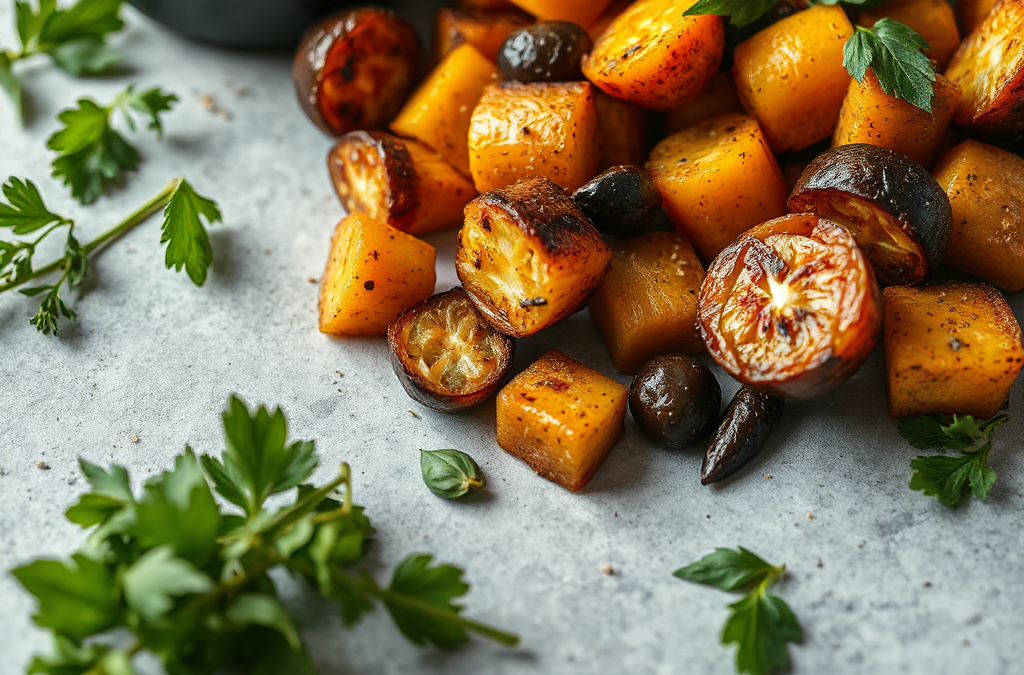
How to enhance flavors in organic meals without additives comes down to building flavor through browning, concentrated aromatics, acidity, herbs, spices, and proper seasoning. Roast vegetables until their edges caramelize, toast spices briefly, and use garlic, onions, mushrooms, or tomatoes to add savory depth without relying on flavor enhancers. A small amount of lemon juice or vinegar can sharpen a bland dish, while fresh herbs added at the end preserve brightness. Salting ingredients at the right stage matters too: season gradually during cooking rather than trying to correct an under-seasoned meal at the table. The main mistake is adding more salt before checking whether the dish needs contrast, moisture, or additional cooking time.
Build Flavor Before Seasoning
Flavorful organic meals usually begin with ingredient quality, freshness, and preparation rather than a packaged additive. Organic carrots, tomatoes, greens, beans, grains, and herbs can still taste flat when they are watery, under-seasoned, or cooked without enough contrast. The first useful question is not “What seasoning should I add?” but “What flavor is missing?” A dish may need sweetness from roasting, savoriness from mushrooms, brightness from citrus, or more texture from toasted seeds.
Aromatics provide a reliable foundation. Onions, shallots, garlic, ginger, celery, scallions, and leeks release fragrant compounds when cut and gently cooked in oil. Adding them to a cold pan and rushing the heat can leave garlic bitter or onions unevenly cooked. Moderate heat gives onions time to soften and develop sweetness, while garlic often needs only a short cooking period near the end of the aromatic stage.

Consider a lentil bowl made with plain cooked lentils, brown rice, and steamed kale. Adding salt alone may make it more noticeable but not more interesting. Cooking diced onion, carrot, garlic, and mushrooms first creates a savory base; folding in the lentils afterward gives the beans a more developed taste. A spoonful of chopped parsley and a little lemon then create contrast. The result depends on several small steps rather than one powerful ingredient.
Freshness also affects perceived flavor. Leafy greens that have lost moisture may taste more bitter, while old ground spices can contribute aroma but little character. Store herbs properly, keep spices away from heat and light, and taste ingredients before cooking when possible. A common mistake is assuming that an organic label guarantees intense flavor. Farming practices and certification address production standards, but variety, harvest timing, storage, and cooking technique still determine what reaches the plate.
For more ingredient-focused ideas, connect these principles with how to enhance flavors in organic meals without additives by comparing the ingredient’s natural qualities with the cooking method it needs.
Use Heat, Browning, and Concentration
Controlled heat creates flavor by removing excess water and encouraging browning on the surface of food. Roasted vegetables taste more concentrated than steamed vegetables because moisture evaporates and their natural sugars and savory compounds become more noticeable. Browning is especially useful when cooking organic cauliflower, sweet potatoes, mushrooms, onions, eggplant, and winter squash.
Surface contact matters. Crowding a roasting pan traps steam, so vegetables soften without developing caramelized edges. Spread pieces in a single layer, leave space between them, and dry washed vegetables before adding oil. A hot oven can encourage color, but the correct temperature depends on the ingredient’s size and water content. Small broccoli florets may brown quickly, while thick squash needs longer cooking to become tender.
Stovetop cooking offers a similar advantage. Mushrooms release water before they brown, so a crowded skillet often produces pale, rubbery pieces. Cooking them in batches allows moisture to evaporate. Once they develop color, add garlic, thyme, or a splash of broth. Deglazing the pan with water, unsalted vegetable stock, or a small amount of vinegar lifts browned bits and turns them into a simple sauce without a commercial flavoring mix.
Toasting is another form of concentration. Warm cumin, coriander, fennel, or mustard seeds briefly in a dry pan until fragrant, then grind or use them whole. Toasting nuts, pumpkin seeds, sesame seeds, or oats adds aroma and crunch to salads, soups, and grain dishes. The tradeoff is that heat can destroy delicate aromas or burn spices quickly. Stay beside the pan and remove ingredients as soon as they smell fragrant rather than waiting for a dark color.
Raw preparations have a different strength. A grated carrot salad, fresh tomato dish, or cucumber-and-herb bowl does not need browning, but it benefits from careful slicing, salt, and a short resting time. Choose heat when you want sweetness and depth; choose raw or lightly cooked ingredients when freshness and sharpness are the priority.
Balance Acidity, Salt, Fat, and Texture
Balanced seasoning makes natural ingredients taste more distinct. Salt can reduce the perception of bitterness and help other flavors register, but excess salt cannot repair food that lacks acidity, aroma, or texture. Add small amounts during cooking, taste after each adjustment, and remember that ingredients such as olives, miso, cheese, canned beans, and broths may already contain sodium.
Acid supplies contrast. Lemon juice, lime juice, apple cider vinegar, red wine vinegar, rice vinegar, and unsweetened fermented foods can brighten beans, roasted vegetables, soups, and grain salads. Acid works best when added according to the dish’s structure. A lentil stew may need a teaspoon of vinegar at the end, while a tomato sauce may need only time to cook down. Too much acid produces a sharp, thin taste, so add it gradually.
Fat carries aroma and softens harsh flavors. Extra-virgin olive oil, avocado, tahini, unsweetened nut butter, or a small amount of plain yogurt can make herbs and spices feel more integrated. Fat is not a substitute for seasoning, however. A large pour of oil may make a bland dish heavy without adding definition. Use enough to coat ingredients and carry flavor, then restore balance with acid, herbs, or texture.
Texture changes how flavor is experienced. Crisp toasted seeds can make a soft soup more satisfying, while creamy beans can offset bitter greens. A bowl containing roasted chickpeas, tender grains, raw cabbage, and a bright dressing has more sensory contrast than the same ingredients cooked until uniformly soft. This does not mean every meal needs multiple textures; it means texture should be intentional.
Try a simple correction sequence when a meal tastes dull:
- Taste for basic seasoning before adding more salt.
- Check whether a small amount of acid would provide contrast.
- Add a fresh aromatic or toasted element for lift.
- Adjust moisture and texture if the dish feels heavy, dry, or mushy.
The common failure is correcting one problem with the wrong tool. More oil will not fix watery soup, and more salt will not replace the sweetness created by proper roasting.
Finish With Herbs, Spices, and Umami Foods
Fresh herbs are most effective when their timing matches their character. Hardy herbs such as rosemary, sage, and thyme can withstand longer cooking, while basil, cilantro, mint, dill, and tender parsley usually retain more fragrance when added near the end. Chopping herbs just before use helps preserve their aroma. Stems from cilantro and parsley can flavor sauces, stocks, and cooked grains instead of being discarded.
Spices offer variety without additive-based seasoning blends. Black pepper, smoked paprika, turmeric, cinnamon, cumin, chili flakes, and ground coriander each influence a meal differently. Use a small combination with a clear purpose rather than adding every spice in the cupboard. Cumin and coriander can support roasted carrots or beans; cinnamon may complement squash or oatmeal; smoked paprika can suggest a grilled note in a bean stew without making the dish taste artificial.
Umami-rich whole foods provide savory depth. Mushrooms, tomatoes, sea vegetables, fermented soy foods, nutritional yeast, toasted seaweed, and well-browned onions can make vegetable-centered meals feel fuller in flavor. Their intensity varies, and fermented ingredients may be salty, so taste before adding additional seasoning. A mushroom-barley soup, for example, gains depth from browned mushrooms and tomato paste, but it still needs fresh parsley or lemon to avoid tasting muddy.
Fresh and dried forms are not interchangeable. Dried oregano and thyme are concentrated and work well earlier in cooking; fresh basil and dill are more delicate. Ground spices lose aroma over time, so replace them when they smell dusty rather than fragrant. The misconception to avoid is treating pungency as complexity. Heat from chili or a strong spice may dominate the palate while leaving the underlying dish underdeveloped.
When choosing among finishing options, match the ingredient to the meal. Use citrus and herbs for steamed greens, toasted seeds for salads, fermented flavors for grains and legumes, and warming spices for roasted roots. A targeted finish usually creates more clarity than a large amount of seasoning.
A Practical Method for Better Organic Meals
A repeatable tasting process makes flavor improvement easier than following a rigid recipe. Cook the main ingredients until they reach the texture you want, then assess the dish in layers: aroma, seasoning, richness, acidity, sweetness, bitterness, and texture. Only change one element at a time. This prevents a series of guesses from turning a mild meal into an overly salty or sour one.
For a weeknight vegetable-and-grain meal, begin by choosing one main flavor direction. Mediterranean ingredients might include olive oil, garlic, oregano, lemon, chickpeas, and parsley. A warm Indian-inspired direction could use cumin, coriander, ginger, lentils, and cilantro. A smoky profile might rely on roasted peppers, paprika, beans, and lime. These combinations are not rules; they are useful boundaries that keep the meal coherent.
Prepare components separately when their cooking needs differ. Roast dense vegetables, simmer grains, sauté aromatics, and make a fresh dressing rather than putting everything into one pot. Combining components at the end preserves contrasts. If time is limited, prioritize the step with the greatest flavor return: browning mushrooms or onions may matter more than making an elaborate sauce.
Signs the method is working include a clear aroma, distinct flavors that remain identifiable, vegetables with concentrated edges, and a finish that tastes lively rather than heavy. Signs it is failing include watery surfaces, burnt spices, bitterness from scorched garlic, and seasoning that overwhelms the ingredient. Salvage depends on the problem: dilute oversalting with unsalted ingredients, soften excessive acidity with more food or a little richness, and balance bitterness with sweetness from roasted vegetables rather than simply adding sugar.
Use this approach alongside how to enhance flavors in organic meals without additives when adapting recipes. The best result is not the strongest flavor; it is a meal in which natural ingredients remain recognizable and each addition has a clear job.
For evidence-aware food preparation and ingredient guidance, consult consumer information from the USDA, university extension programs, and culinary education organizations. These sources can help with safe storage, handling, and technique while you develop flavor through whole-food ingredients.
Frequently Asked Questions
Can organic meals taste flavorful without spice blends?
Yes. Build flavor with browning, aromatics, fresh herbs, acid, toasted seeds, and naturally savory foods such as mushrooms, tomatoes, and fermented soy.
What should I add when a vegetable dish tastes bland?
First check salt and cooking level, then try a small amount of lemon juice or vinegar. Fresh herbs, toasted nuts, or browned onions may add more useful contrast than extra salt.
Does roasting always improve flavor?
No. Roasting concentrates sweetness and encourages browning, but delicate greens and watery vegetables may be better lightly sautéed, steamed, or served raw with a bright dressing.
When should fresh herbs be added?
Add hardy herbs early enough to release flavor during cooking. Add basil, cilantro, mint, dill, and tender parsley near the end so their fresher aromas remain noticeable.
How can I fix a meal that is too salty?
Increase the amount of unsalted ingredients, such as grains, beans, vegetables, or broth. A little acidity may improve balance, but it does not remove sodium from the dish.
Conclusion
Natural flavor develops through deliberate preparation: brown ingredients when they can handle heat, cook aromatics gently, season in stages, and use acidity to create contrast. Fresh herbs, toasted spices, mushrooms, tomatoes, legumes, and seeds can add complexity without depending on additive-heavy sauces or packets. Prioritize the weakness you can actually identify rather than adding salt or chili by habit. If a meal tastes flat, check moisture, browning, seasoning, and freshness in that order. A simple combination of roasted vegetables, well-seasoned grains, a savory component, and a bright finishing dressing is often more effective than a complicated recipe. With practice, organic ingredients become easier to combine because each cooking decision has a recognizable flavor purpose.
Huge Discount on the Best Certified Organic Nutrient Dense Supplement!

Related Content
- The Impacts of Whole Food Nutrition on Your Health
- The Truth About Clean Eating
- The Surprising Health Benefits of Eating Whole Foods
- Organic Kale Preparation to Improve Flavor and Texture Through Better Washing, Massaging, and Cooking
- Most Overlooked Nutrient Dense Foods in Grocery Stores: 10 Surprising Options to Boost Your Diet
Further Reading
Authoritative Sources
- Enhance the Flavor of Food with Herbs
extension.psu.eduBecause herbs can provide a depth of flavor, they may be used to heighten taste while cutting back on salt or added sugars and fat within dishes ...
- 5 Healthy Ways to Add More Flavor to Your Meals
iheartvegetables.comHearty herbs like thyme, rosemary, oregano, and sage should be added earlier in the cooking process so they can release more flavor. Delicate ...
- Food chemistry 101: what acidity really does in your cooking
amatterofnourishment.comBuilding flavour with acidity · 1. Add brightness at the end · 2. Balance rich dishes · 3. Add complexity · 4. Enhance flavours.
- Best Ways to Enhance Food Flavor Without Extra Calories
tasteflavorco.comNatural Flavor Boosters: Citrus zest, vinegar, and fresh juice can brighten and balance flavors without extra calories. Low-Calorie Sauces: ...