
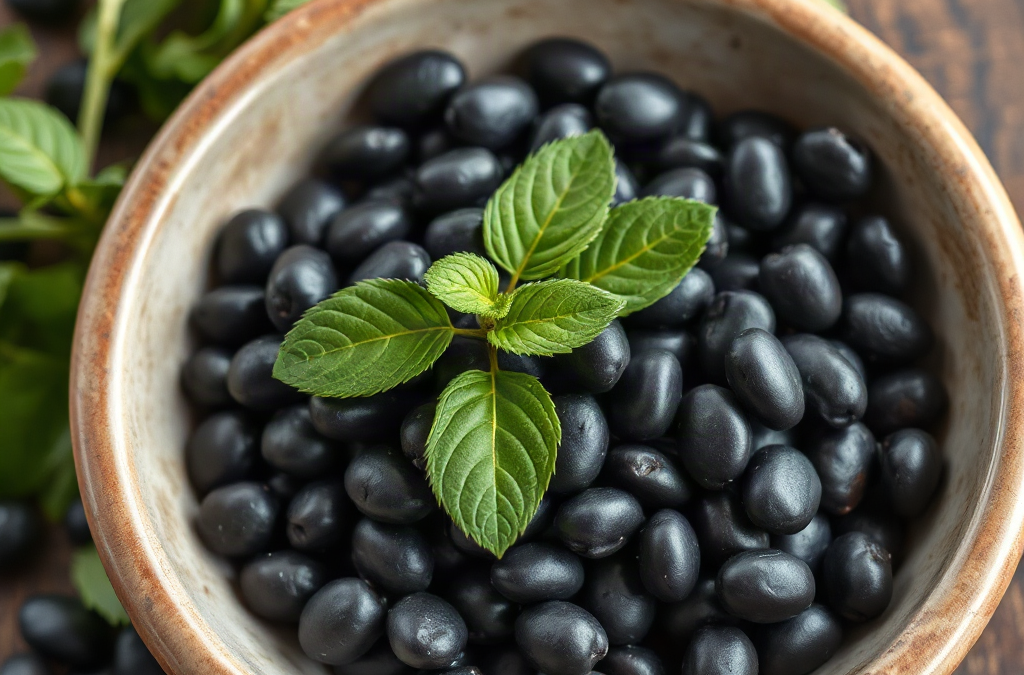
Organic black beans make affordable plant protein practical because they combine protein, fiber, minerals, and versatile cooking uses at a relatively modest food cost. Choose dry beans when the lowest price and ingredient control matter, or canned beans when convenience and reliable portions matter more. Rinsing canned beans reduces surface sodium, while soaking and fully cooking dry beans improves texture and digestibility. Pairing black beans with foods such as corn, brown rice, whole-grain tortillas, or quinoa creates satisfying meals, although the protein quality of a mixed diet matters more than making every plate “complete.” Compare unit prices, check the ingredient label, and treat organic certification as a production standard rather than a guarantee of superior nutrition.
Why Black Beans Deliver Value Beyond Protein
Organic black beans are useful as a budget protein because they provide more than a single nutrient. A serving contributes plant protein along with dietary fiber, complex carbohydrates, folate, iron, magnesium, and potassium. Fiber slows digestion and adds bulk, which can make a bean-based meal more filling than a meal built around a refined starch alone. The exact nutrition depends on the serving size, preparation method, and whether the beans are packed with added salt or other ingredients.
The word “organic” describes how the beans were produced and handled under applicable organic standards; it does not automatically mean they contain more protein or fewer calories than conventionally grown black beans. A shopper deciding between organic and conventional versions should compare the full label, package size, ingredient list, and unit price. Organic may fit a person’s farming, environmental, or purchasing priorities, while conventional beans may leave more money available for vegetables, whole grains, or other protein foods.

Black beans also work well because their flavor is adaptable. They can anchor chili, tacos, soups, grain bowls, salads, and spreads without requiring an expensive specialty ingredient. For example, a pot of cooked beans can become a smoky chili one day and a mashed filling for tortillas the next. That flexibility reduces food waste, particularly when leftovers are portioned before they sit in the refrigerator.
A common mistake is treating beans as a direct one-for-one replacement for meat in every recipe. Their moisture, starch, and softer texture change how a dish behaves. A burger made entirely from beans may need oats, breadcrumbs, mashed vegetables, or a binder to hold together, while a taco filling may need only seasoning and a little cooking liquid. Plan around the bean’s texture instead of forcing it into a meat-based format.
Dry Versus Canned Organic Black Beans
Dry and canned organic black beans serve different versions of affordability. Dry beans generally offer strong value when the household has time to soak and cook them, and they provide control over salt, tenderness, and seasoning. Canned beans cost more per prepared serving in many stores, but they eliminate soaking and long simmering. That convenience can be economically useful if it prevents takeout purchases, spoiled produce, or abandoned cooking plans.
For dry beans, inspect the package for excess broken beans, moisture, or signs of pests, then rinse and sort them before cooking. Soaking can shorten the cooking period and may make the beans easier for some people to digest, although it is not the only workable method. After soaking, discard the soaking water, rinse the beans, and simmer them in fresh water until fully tender. Keep the heat gentle enough to prevent the skins from splitting excessively, but allow enough cooking time for the centers to soften.
Canned beans are ready to use after opening, but rinsing them in a colander removes the packing liquid and some surface sodium. Draining without rinsing is faster and still works in soups, where the liquid becomes part of the recipe, but it may produce a saltier result. Reduced-sodium cans can offer another option, though the label should be checked rather than assumed to be bland. Look for a short ingredient list: beans, water, salt, and perhaps a firming agent are common.
The practical comparison is not simply price per package. Calculate price per drained or cooked serving, then include fuel, cooking time, and the likelihood that the food will actually be used. A large dry-bean purchase is poor value if it remains in the cupboard, while a small can may be sensible for a one-person lunch. Store unopened cans in a cool, dry place; refrigerate opened beans in a covered container and use them promptly according to safe food-handling practices.
Cooking Methods That Improve Texture and Use
Fully tender beans are easier to use, more pleasant to eat, and less likely to ruin a recipe. Dry black beans can be simmered on the stovetop, prepared in a pressure cooker, or cooked in another appliance according to its instructions. Cooking time varies with bean age, soaking, water chemistry, and heat, so tenderness—not a fixed clock—is the useful test. A bean that looks cooked on the outside but remains chalky in the center needs more time.
Seasoning strategy affects both texture and flavor. Aromatics such as onion, garlic, bay leaf, cumin, or smoked paprika can develop a savory base, while acidic ingredients such as tomatoes, vinegar, or citrus are often better added after the beans have softened. Acid introduced too early may slow softening in some cooking situations. Salt timing is flexible, but salting the cooking water or broth can improve flavor throughout the bean rather than leaving the outside seasoned only at the end.
Canned beans need a shorter treatment. Warm them gently with sautéed onion and spices, fold them into a tomato-based chili, or mash them with lime juice and herbs for a spread. Avoid prolonged aggressive boiling, which can turn them into an unplanned purée. If a recipe needs a thicker texture, mash a portion of the beans against the side of the pot and stir them back in; this uses the beans’ natural starch instead of requiring a costly thickener.
Digestive discomfort is a frequent reason people abandon beans. A sudden large increase in fiber can cause gas or bloating, and individual tolerance varies. Smaller portions, gradual increases, thorough cooking, and rinsing canned beans may be more useful than eliminating legumes altogether. Persistent or severe symptoms deserve individualized medical advice, especially for someone with a digestive condition. Do not confuse normal texture issues with safety: dry beans must be cooked thoroughly, and visibly spoiled leftovers should be discarded.
Use Organic black beans for affordable plant protein as a meal component, not merely as a topping. Cooking a neutral batch lets you divide it among several applications: seasoned beans for rice bowls, mashed beans for toast or tortillas, and whole beans for salad. Label and chill leftovers promptly, and freeze portions if they will not be eaten soon.
Building Affordable, Balanced Bean Meals
A satisfying black-bean meal usually combines legumes with a grain or starchy food, vegetables, flavor-building ingredients, and a modest fat source. Black beans and brown rice, corn tortillas, oats, quinoa, or whole-grain bread create useful texture and carbohydrate variety. Pairing is not a requirement for every bite to contain all essential amino acids; the body benefits from an overall varied eating pattern. The practical goal is a meal that supplies enough food, flavor, and staying power for the person eating it.
Consider a low-cost bowl made from black beans, rice, frozen corn, shredded cabbage, salsa, and plain yogurt or a plant-based alternative. Frozen vegetables can lower waste and remain available when fresh produce is expensive. Cabbage, carrots, onions, and seasonal greens often stretch several meals because they hold well. A small amount of cheese, avocado, olive oil, or seeds can add richness, but the meal does not need expensive toppings to be nutritionally useful.
Flavor prevents budget cooking from becoming repetitive. A Mexican-style preparation might use cumin, chili, lime, and cilantro; a Caribbean-inspired pot may use thyme, onion, peppers, and allspice; a simple soup can rely on garlic, tomatoes, and smoked paprika. These profiles are not interchangeable in every dish, so add seasonings gradually and taste as the beans warm. A bland batch often needs salt, acid, aromatics, or texture—not necessarily a more costly ingredient.
The weak assumption to avoid is that more protein always makes a meal better. Increasing beans without adjusting liquid, vegetables, or portions can create a heavy dish that is difficult to finish. Conversely, a small amount of beans scattered over a large plate may not provide the intended substance. Start with a portion that suits appetite, then add vegetables and a grain according to the meal’s purpose. An active adult, child, older person, and someone managing a medical diet may have different needs.
For another practical idea, connect this article to Organic black beans for affordable plant protein when planning a rotating pantry menu. A useful rotation could include chili, bean-and-vegetable soup, tacos, and a cold salad. Reusing the cooked base while changing the seasoning keeps shopping simple without making every meal taste identical.
Shopping, Storage, and Realistic Nutrition Decisions
The most useful shopping signal is the unit price alongside the preparation burden. Compare similarly sized packages, and do not compare the shelf price of dry beans with the price of canned beans without accounting for the water and cooking already included in the can. Check whether canned products contain added sauces, sweeteners, or substantial sodium. For dry beans, choose a quantity that matches realistic cooking frequency rather than buying a large bag solely because it appears cheaper.
Organic labeling may matter to shoppers who prioritize certified production practices, but it should be considered alongside the rest of the diet. A person with a fixed grocery budget may gain more nutritional variety by buying organic beans and conventional frozen vegetables, or by choosing whichever version allows regular consumption of legumes. There is no need to present that decision as a moral test. Food affordability includes time, access to cooking equipment, storage space, and the ability to use leftovers.
Watch for practical signs that the approach is working: beans are tender, meals are satisfying, leftovers are used, and the grocery bill supports a varied pantry. Signs of a poor fit include repeatedly overcooking large batches, disliking the texture, experiencing ongoing digestive symptoms, or buying prepared products whose added ingredients undermine the intended budget. Adjust the format, portion, recipe, or frequency before concluding that black beans are unsuitable.
- Lowest-cost priority: choose dry beans when cooking time and storage are available.
- Convenience priority: choose canned beans, rinse them, and use only what the meal requires.
- Flavor priority: build a seasoned base with aromatics, spices, and an acidic finish.
- Variety priority: rotate beans with lentils, peas, tofu, eggs, dairy, or other available protein foods.
Use Organic black beans for affordable plant protein within that broader pattern. Beans are nutrient-dense and versatile, but they do not need to carry every nutritional responsibility on their own. People with kidney disease, food allergies, prescribed dietary restrictions, or significant digestive symptoms should obtain personalized guidance rather than relying on a general food article.
Frequently Asked Questions
Are organic black beans higher in protein than conventional black beans?
Not necessarily. Organic certification concerns production standards, while protein content is influenced mainly by the bean, serving size, and preparation.
Are dry black beans cheaper than canned beans?
Dry beans often have a lower cost per cooked serving, but canned beans may be the better value when time, fuel, storage, and food waste are included.
Should canned black beans be rinsed?
Rinsing removes the packing liquid and some surface sodium. Skip it when the liquid is useful in a soup, but adjust other salt accordingly.
What foods pair well with black beans?
Rice, corn tortillas, quinoa, vegetables, salsa, tomatoes, cabbage, avocado, yogurt, herbs, and citrus all work well in different combinations.
Can black beans cause digestive discomfort?
They can, particularly after a sudden increase in fiber. Smaller portions, gradual use, thorough cooking, and rinsing canned beans may improve tolerance.
Conclusion
Organic black beans earn a place in an affordable plant-protein pantry because they combine useful nutrition with flexible preparation. Choose dry beans when low unit cost and cooking control matter most; choose canned beans when convenience will make the difference between cooking and skipping the meal. Rinse canned beans when you want a cleaner flavor or lower surface sodium, cook dry beans until fully tender, and build meals with grains, vegetables, seasonings, and a sensible portion. Organic certification may align with personal purchasing priorities, but it should not be confused with a guaranteed nutritional advantage. Compare labels and prices, prepare only what you can use, and rotate black beans with other protein foods for a more varied eating pattern.
Huge Discount on the Best Certified Organic Nutrient Dense Supplement!