
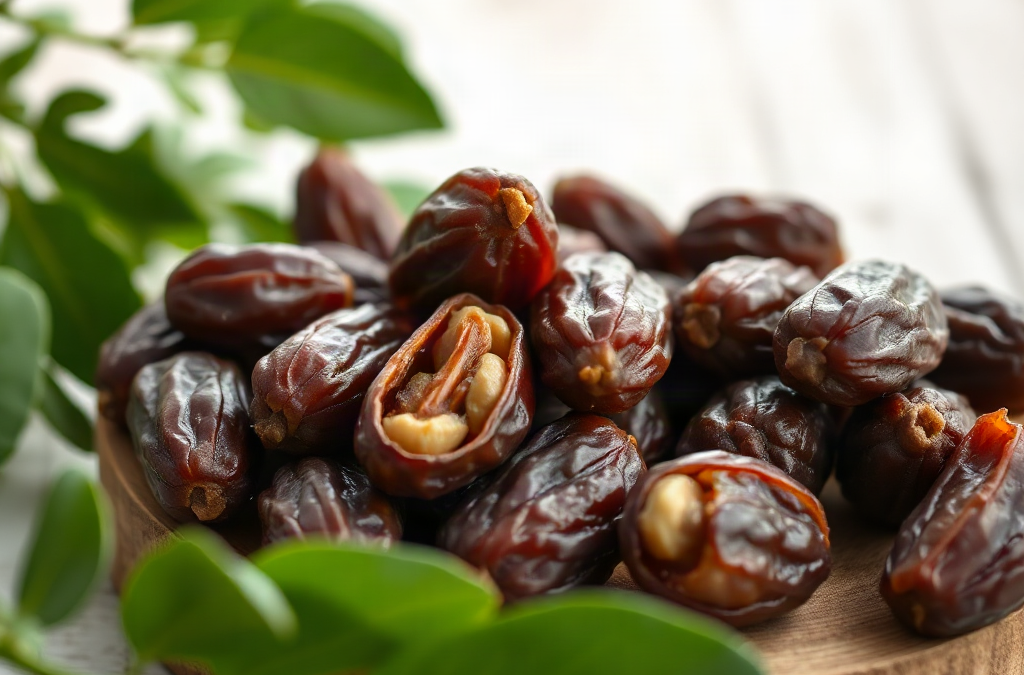
Comparing organic dates with Deglet Noor dates requires separating two different labels: organic describes how the fruit was grown and handled, while Deglet Noor identifies a date variety. An organic Deglet Noor can have the same cultivar characteristics as a conventionally grown Deglet Noor, including a firmer texture, amber color, and mild caramel flavor. Organic certification may matter to shoppers focused on production practices, but it does not automatically mean more fiber, fewer calories, or better flavor. For a practical choice, check the variety, ingredient list, softness, pitting, certification seal, storage condition, and serving context rather than treating “organic” and “Deglet Noor” as competing varieties.
Organic Label Versus Date Variety
Organic and Deglet Noor describe different aspects of a date. “Organic” refers to farming and handling standards verified through an applicable certification system, while Deglet Noor is a named cultivar traditionally associated with North African and other date-growing regions. That distinction prevents a common shopping mistake: comparing organic dates as though they were one specific type against Deglet Noor dates as though they were always conventional.
An organic package might contain Deglet Noor, Medjool, Zahidi, or another variety. A package labeled Deglet Noor may or may not be organic. The most useful comparison therefore has two layers: first identify the variety and its eating qualities, then decide whether certified production aligns with your purchasing priorities. The link Comparing organic dates with Deglet Noor dates is most useful when read with that distinction in mind.

Deglet Noor dates are usually smaller and less soft than Medjool dates, although texture varies with harvest timing, moisture, processing, and storage. Their flavor tends to be moderately sweet with a light caramel or honey-like character. Other organic dates may be softer, larger, more intensely sweet, or more suitable for blending, but “organic” alone cannot predict those traits.
A weak assumption is that certification guarantees superior taste. Taste depends heavily on cultivar freshness and moisture level. A well-stored conventional Deglet Noor can be more enjoyable than a poorly stored organic date from an unfamiliar supplier. Conversely, a shopper who values certified farming practices may reasonably prefer the organic package even when the eating experience is similar. Treat the label as one decision factor rather than a shortcut for every quality attribute.
Flavor, Texture, and Kitchen Performance
Deglet Noor usually works best when a recipe needs dates that hold their shape. The flesh is often firm enough to chop cleanly into oatmeal, grain salads, couscous, muffins, or savory dishes. Its moderate sweetness can blend into a recipe without dominating it. Softer organic dates, depending on variety, may be better for eating out of hand, stuffing, or processing into a paste.
Moisture is the practical mechanism behind many texture differences. Dates lose moisture during storage and become firmer, while warmer or more humid conditions can make them softer and stickier. Pitted fruit may also feel different from whole dates because removing the pit can disturb the flesh and expose more surface area. A date that looks dry is not necessarily spoiled, but excessive crystallization, fermentation odors, mold, or leaking moisture are reasons to discard it.
Consider a homemade snack bar. Firm Deglet Noor dates may need chopping and a short soak before a food processor can form a cohesive paste. A naturally soft organic date may blend immediately, but it can make the mixture wetter and require more oats, nuts, or seeds. The “better” option depends on whether the recipe needs structure or binding power.
For a quick selection, check these features in order:
- Variety: choose Deglet Noor for a firmer, restrained sweetness or another variety when a softer texture is preferred.
- Condition: look for clean, intact fruit without mold, sour odors, or unexplained wetness.
- Pit status: pitted dates save preparation time, while whole dates may retain a firmer shape.
- Ingredient list: plain dates should not need added sugar or syrup.
The common failure is using appearance as the only quality test. A glossy date may have been treated or simply retain more moisture; a dull date may still be fresh and flavorful. Smell, pliability, package condition, and the intended recipe provide better evidence than shine alone. If you want a predictable result, buy a small package first and test it in the exact preparation you plan to make.
Nutrition, Portions, and Production Choices
Both organic and conventional dates are naturally concentrated fruit, supplying carbohydrate and naturally occurring sugars along with fiber and small amounts of minerals such as potassium and magnesium. The basic nutrition is shaped more by serving size, moisture, and variety than by the word organic on the label. Dry dates contain less water than fresh fruit, so a small handful can provide substantial sweetness in a compact volume.
Organic certification should not be treated as proof that a date has fewer calories, more fiber, or a lower effect on blood glucose. Those outcomes depend on the fruit itself, the portion, and what accompanies it. Pairing chopped dates with plain yogurt, nuts, seeds, or oats changes the overall food combination by adding protein, fat, or additional fiber, but it does not erase the dates’ concentrated carbohydrate content.
For someone choosing a midmorning snack, three or four dates may fit differently from a spoonful of date syrup or a large handful added to granola. Whole dates require chewing and provide fiber, whereas syrups and sweetened date products can be easier to consume quickly. That makes the form of the food a meaningful consideration alongside organic status and cultivar.
Production practices still matter to some buyers. Certified organic agriculture generally reflects defined requirements for permitted inputs and handling, but the exact standards depend on the certifying system and country of sale. Certification also does not automatically address every concern a shopper may have, such as labor conditions, packaging, water use, or distance traveled. Those questions may require producer information beyond the front label.
People managing diabetes, allergies, digestive conditions, or a medically prescribed eating pattern should use individualized guidance rather than assume that organic dates are unrestricted. Dates are nutritious whole fruit, but they are not a treatment food. A sensible priority list is portion awareness, plain whole fruit, freshness, and compatibility with the person’s dietary needs; certification can then guide the final purchase when it matters to the household.
How to Choose, Store, and Use Each Option
Choose organic Deglet Noor when you want the cultivar’s firmer texture and mild flavor together with certified organic production. Choose conventional Deglet Noor when price, availability, or a particular supplier’s freshness matters more than certification. Choose another organic variety when the label is the priority but the recipe calls for a softer, more adhesive fruit. This approach is more reliable than asking whether organic dates are universally better.
At the store, read the front and back of the package. Confirm whether “organic” is certified, whether Deglet Noor is named as the variety, whether the dates are pitted, and whether added ingredients appear. Look for packaging that protects the fruit from crushing and excessive exposure to air. If two packages cost different amounts, compare the net weight and usable fruit rather than the sticker price alone.
Storage affects the comparison after purchase. Keep unopened dates according to the package directions. Once opened, use a clean, tightly closed container and protect the fruit from heat and moisture. Refrigeration can help preserve quality for longer storage, although chilled dates may feel firmer. Letting a portion warm briefly before eating can improve texture without leaving the whole package exposed.
When dates have become too firm for a paste, remove the pits and soak them briefly in warm water, then drain thoroughly before blending. Deglet Noor often benefits from this step more than a very soft variety. For salads or baked goods, chop firm dates with a lightly oiled knife or kitchen shears. For stuffed dates, select fruit that opens without splitting completely; excessive dryness makes filling difficult.
Signs the choice is working include clean flavor, pliable flesh, predictable blending, and a portion that fits the meal. Signs it is failing include a fermented smell, mold, hard sugar crystals combined with stale flavor, or a recipe that becomes wet and heavy because the fruit is too moist. Do not rescue questionable fruit by cooking it. When quality is sound but texture is unsuitable, change the preparation—soak, chop, or use a different variety—rather than blaming the organic label.
For more context on making a purchase that fits both nutrition goals and cooking needs, see Comparing organic dates with Deglet Noor dates alongside date selection and storage considerations. The practical conclusion is straightforward: match the cultivar and moisture level to the use, then use certification, price, and sourcing information to settle the remaining tradeoff.
For current details about organic labeling, certification, and food handling, consult the relevant government agriculture agency, certifying organization, or package documentation for the product’s country of sale. Nutrition information can be checked against a recognized food-composition database, while producer pages may clarify the date variety, processing, pitting, and storage conditions.
Frequently Asked Questions
Are Deglet Noor dates organic?
Some are and some are not. Deglet Noor identifies the variety; an organic seal indicates certified production and handling practices.
Are organic dates healthier than Deglet Noor dates?
The comparison is not direct because organic is a production label and Deglet Noor is a cultivar. Nutrition depends mainly on variety, moisture, serving size, and whether the fruit is whole or processed.
Which dates are better for making date paste?
Soft, moist dates usually blend more easily. Firm Deglet Noor can work well after pitting and briefly soaking, provided the fruit is drained before processing.
Do Deglet Noor dates taste different from other organic dates?
They may. Deglet Noor commonly has a firmer bite and moderate caramel-like sweetness, while other organic varieties may be larger, softer, or more intensely sweet.
How should opened dates be stored?
Keep them in a clean, tightly sealed container away from heat and excess moisture. Refrigeration may help preserve quality during longer storage, and the package directions should take priority.
Conclusion
Organic and Deglet Noor are not opposing categories: one describes production, while the other describes variety. A certified organic Deglet Noor can offer the firm texture and moderate sweetness associated with that cultivar, but organic status alone does not guarantee better nutrition, flavor, or freshness. For the best purchase, identify the variety, inspect the fruit’s condition, check for added ingredients, compare usable weight and price, and match the texture to the recipe. Use whole dates thoughtfully as a concentrated fruit, especially when portions matter. If certification is a household priority, look for a valid seal; if cooking performance comes first, freshness and moisture may deserve greater weight.
Huge Discount on the Best Certified Organic Nutrient Dense Supplement!



