
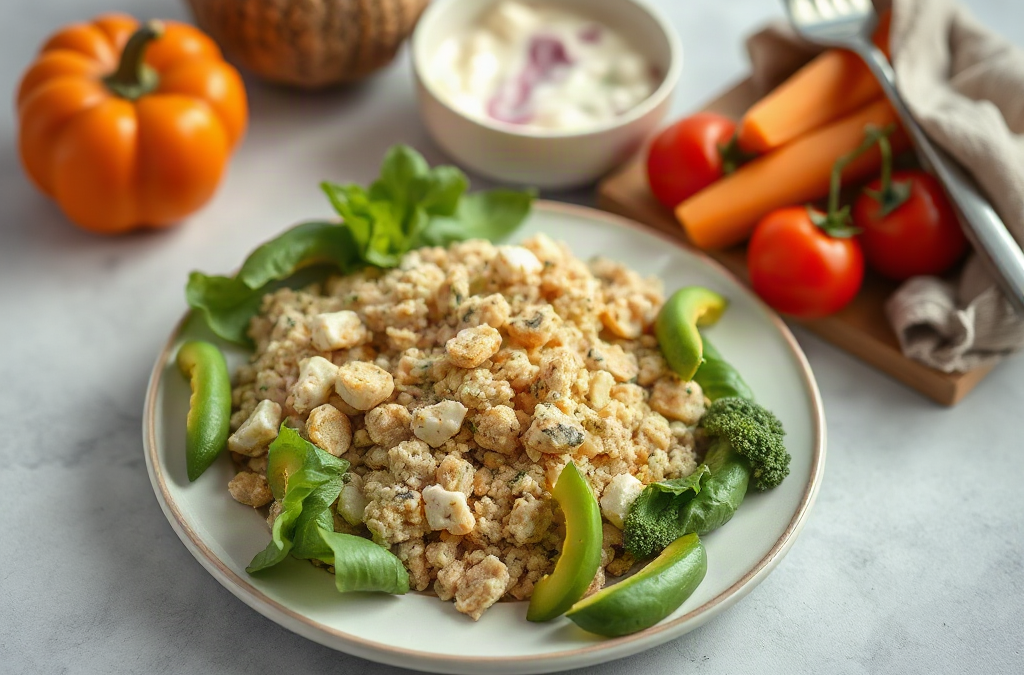
Build the Plate Around Naturally Gluten-Free Foods
A nourishing gluten-free pattern begins with foods that do not need a specialty formulation. Vegetables, fruit, potatoes, sweet potatoes, beans, lentils, plain meat, poultry, fish, eggs, milk, yogurt, nuts, seeds, and many minimally processed grains can supply variety without relying on imitation bread or snack products. These choices matter because removing wheat-based staples can unintentionally reduce fiber, protein, iron, folate, and other nutrients if the replacement diet becomes mostly packaged crackers, cookies, or refined flour products.
Gluten-free grains deserve careful selection rather than blanket avoidance. Rice, corn, quinoa, buckwheat, millet, sorghum, and amaranth are naturally gluten-free, but bulk-bin handling, shared equipment, or added ingredients may affect suitability for someone who must avoid cross-contact. Oats require particular attention because they can be exposed to wheat, barley, or rye during processing; people with celiac disease should discuss oat use with a clinician and choose products labeled appropriately for their needs.
A practical lunch illustrates the difference between a nutrient-dense meal and a merely gluten-free one: a quinoa bowl with roasted vegetables, chickpeas, pumpkin seeds, olive oil, and plain yogurt offers carbohydrate, plant protein, fiber, and fat. Replacing that meal with gluten-free chips and a sweetened bar may avoid gluten but leave hunger, protein intake, and micronutrient quality poorly addressed. Gluten-free status answers one safety question; it does not evaluate the whole meal.
Use Organic nutrition for people avoiding gluten as a food-pattern decision, not as a shopping label alone. Start with ingredients you recognize, then add packaged products where they solve a genuine problem such as convenience, travel, or texture. A common mistake is treating every organic or gluten-free product as interchangeable with a whole food. Compare the ingredient list, fiber, protein, added sugar, sodium, and serving size before deciding.
Protect Fiber, Protein, and Key Micronutrients

Removing conventional bread, pasta, and fortified cereals can change nutrient intake even when total calories remain similar. Fiber may fall when beans, vegetables, fruit, seeds, and intact gluten-free grains are not deliberately included. Protein can also become inconsistent when meals center on rice or corn without legumes, eggs, dairy, fish, poultry, tofu, or another substantial source. The goal is not to reproduce wheat-based meals exactly; it is to replace their nutritional roles.
Iron, folate, vitamin B12, calcium, and vitamin D deserve attention because needs vary with age, eating pattern, absorption, and medical history. Beans, lentils, leafy greens, eggs, meat, seafood, dairy, fortified products, and seeds can contribute useful amounts, but no single food guarantees adequacy. People eating mostly plant foods may need a more deliberate plan for B12 and iron, while those avoiding dairy need alternative calcium and vitamin D sources. Supplements should be discussed with a qualified professional when deficiency is suspected rather than chosen by guesswork.
Pairing and preparation can make meals more workable. Lentil soup with tomatoes and peppers combines legumes with produce rich in vitamin C, while a baked potato topped with beans, cheese, and salsa provides a more complete meal than a plain potato alone. Fermented dairy, nuts, seeds, and vegetables can add different textures and nutrients, helping prevent the restricted menu from becoming repetitive. Evidence for special “detox” or gut-healing products is often weaker than the marketing suggests, and such products may contain unexamined ingredients.
A compact planning check can prevent the most common gaps:
- Protein: include a clear source at each main meal.
- Fiber: rotate beans, vegetables, fruit, seeds, and intact gluten-free grains.
- Micronutrients: vary colors and food groups instead of repeating one “safe” starch.
- Fortified foods: inspect the nutrition panel rather than assuming a gluten-free product is enriched.
Use Organic nutrition for people avoiding gluten to compare the whole pattern over several days, not one meal. A common failure mode is adding a multivitamin while leaving the diet low in protein and fiber. Supplements may fill a documented gap, but they do not replace legumes, produce, or a varied menu.
Read Labels and Control Cross-Contact
Ingredient review becomes more important when a food is processed, flavored, or sold ready to eat. Wheat, barley, and rye are obvious concerns, but gluten exposure can also occur through malt ingredients, some sauces, seasoned mixes, candies, meat substitutes, and shared manufacturing or preparation surfaces. The level of caution should match the reason for avoidance: a person with diagnosed celiac disease generally needs rigorous control, while someone exploring a possible sensitivity should first seek appropriate medical advice.
Organic certification and gluten-free labeling answer different questions. Organic labeling concerns how an agricultural product or processed food was produced under the applicable certification system; it does not establish that the product contains no gluten or was prepared away from gluten-containing ingredients. Conversely, a gluten-free product may be highly refined and high in sugar or sodium. Checking both the package claim and the nutrition panel prevents one label from doing work it was never designed to do.
Cross-contact is a kitchen process problem rather than an ingredient problem alone. Shared toasters, cutting boards, colanders, flour dust, butter containers touched by crumbs, and bulk bins can create uncertainty. In a mixed household, separate spreads, clean utensils, and a defined preparation area may be more useful than buying every item in a specialty aisle. Restaurants require direct questions about fryer oil, grills, sauces, and preparation surfaces; a confident menu description is not the same as a verified kitchen process.
For packaged food, inspect the ingredient list every time a formula may have changed, especially for sauces, spice blends, granola, and meat alternatives. Keep a short list of dependable products, but do not assume a familiar brand has identical standards across all items. A common mistake is focusing only on wheat and overlooking barley-derived malt in cereals, drinks, or flavorings. If symptoms continue despite avoidance, do not keep tightening the diet indefinitely without clinical assessment; persistent symptoms can have causes unrelated to gluten exposure.
Make Organic Choices Without Losing Practicality
Organic purchasing can fit a gluten-free eating pattern, but it should be prioritized rather than treated as an all-or-nothing requirement. Fresh or frozen organic vegetables, fruit, beans, and plain grains may be useful staples, while an organic gluten-free cookie remains a discretionary treat rather than a nutritional foundation. Budget, availability, storage, and cooking time influence whether a choice will actually support regular meals.
Frozen vegetables and canned beans can be practical alternatives when fresh produce is expensive or spoils before it is used. Choose plain frozen items and compare canned products for added salt, flavorings, or sauces. Rinsing canned beans may reduce surface salt, although it does not turn every product into a low-sodium food. Batch-cooking quinoa, brown rice, lentils, or roasted vegetables can reduce dependence on expensive convenience meals, provided cooked foods are stored safely and used within a reasonable period.
Organic packaged foods may carry a higher price without offering more fiber or protein. Compare two products by their ingredient lists and nutrition panels rather than by front-of-package imagery. For example, an organic gluten-free granola may contain more added sugar than plain certified gluten-free oats topped with fruit and seeds. The granola may still be convenient, but its role is different. Paying more is most defensible when the product meets a specific need, such as a trusted cross-contact standard or a convenient staple that would otherwise be unavailable.
Use Organic nutrition for people avoiding gluten as a framework for allocating effort: make core meals reliable first, then refine sourcing. A common mistake is spending the food budget on specialty substitutes while cutting back on beans, produce, eggs, or other basic ingredients that provide more nutritional value per serving. Practical consistency usually matters more than an ideal shopping list that cannot be maintained.
Create a Sustainable Gluten-Free Meal Pattern
A sustainable plan gives each meal a dependable structure while allowing substitutions. Combine a protein source, a gluten-free carbohydrate, produce, and a fat source, then adjust portions to appetite, activity, culture, and medical needs. Breakfast might use eggs with potatoes and fruit; lunch could feature lentils, rice, greens, and tahini; dinner might pair salmon or tofu with quinoa and roasted vegetables. These are templates, not prescriptions, and they can be adapted to vegetarian, dairy-free, or lower-sodium needs.
Meal planning should account for the moments when people are most likely to choose convenience food. Keep shelf-stable beans, plain rice, canned fish, nuts, seeds, and certified gluten-free oats available, and prepare one versatile component such as roasted vegetables or cooked lentils. For travel, carry a simple backup snack and verify restaurant procedures before ordering. A plan that works only in a fully equipped kitchen will fail during workdays, illness, or social events.
Signs that the approach is working include broader food variety, regular meals, adequate satiety, and fewer accidental exposures or confusing product decisions. Signs that it needs revision include reliance on a narrow set of foods, persistent fatigue or digestive symptoms, escalating fear around ordinary ingredients, or frequent use of highly processed substitutes. Those signals call for a dietitian or clinician, particularly when celiac disease, unintentional weight change, anemia, or another health concern is involved.
The most useful first step is a three-day food review: record meals, packaged products, symptoms, and practical obstacles without judging the choices. Then identify one missing food group and one cross-contact risk to address. Avoid removing additional foods based solely on internet lists. A common misconception is that stricter restriction automatically means better nutrition; unnecessary exclusions can make it harder to obtain enough energy and nutrients while increasing cost and anxiety.
Frequently Asked Questions
Are all organic foods gluten-free?
No. Organic certification and gluten-free status address different production and labeling questions. Check ingredients and relevant package claims.
Which whole foods are useful when avoiding gluten?
Vegetables, fruit, beans, lentils, potatoes, eggs, plain dairy, meat, fish, nuts, seeds, quinoa, rice, corn, and buckwheat are common options.
Are gluten-free packaged foods nutritious?
Some are, but gluten-free status does not guarantee fiber, protein, low added sugar, or low sodium. Compare the nutrition panel and ingredient list.
How can a household reduce gluten cross-contact?
Use clean utensils and preparation surfaces, prevent crumbs from entering shared spreads, and consider separate equipment such as a toaster when medically necessary.
Should someone with digestive symptoms stop eating gluten?
Seek medical advice before making a major restriction, especially if celiac disease is possible. Ongoing symptoms may have causes that require testing and different treatment.
Conclusion
Organic nutrition for people avoiding gluten is strongest when naturally gluten-free foods carry most of the meal: produce, legumes, quality protein, seeds, and suitable grains. Organic sourcing can be layered onto that foundation according to budget and availability, but it should not distract from nutrient density or safe preparation. Read packaged-food labels for both gluten-related risks and nutritional quality, and treat cross-contact as a kitchen and restaurant-process issue. Pay particular attention to fiber, protein, iron, folate, calcium, vitamin D, and B12 when familiar wheat-based staples disappear. Build a short list of dependable meals, review where the plan breaks down, and seek professional assessment for persistent symptoms, suspected deficiency, or diagnosed celiac disease. A varied, workable routine is more valuable than an expensive collection of specialty substitutes.
Huge Discount on the Best Certified Organic Nutrient Dense Supplement!

Related Content
- Best Organic Vegetable Delivery in San Francisco, California 94130
- Organic Hemp Hearts for Adding Plant Omega-3s in Everyday Foods
- The Ultimate Guide to Live Food Nutrition: 10 Effective Tips for 2025
- The Ultimate Guide to 10 Effective Organic Gut Health Supplements for 2025
- Best Organic Antioxidant Supplement in Davisburg Kentucky


