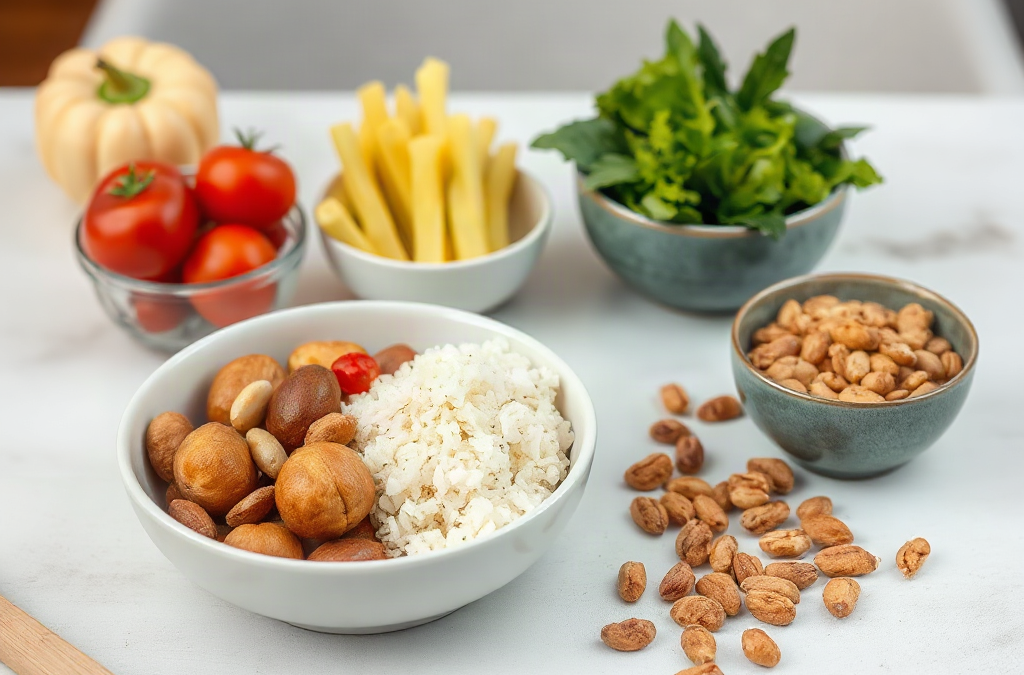
Organic nutrition and blood pressure friendly meals work best when they emphasize minimally processed produce, beans, whole grains, unsalted nuts, and modest amounts of low-sodium protein while limiting packaged foods, salty sauces, and excess alcohol. Potassium-rich foods such as leafy greens, potatoes, beans, lentils, and bananas may help balance sodium’s effects, while fiber-rich ingredients support a more filling, cardiometabolic-friendly plate. Organic certification does not automatically mean low sodium or heart healthy, so nutrition labels and preparation methods still matter. A useful plate combines vegetables, a high-fiber carbohydrate, a suitable protein, and an unsalted flavor base, but people with kidney disease or blood-pressure medication concerns should ask a clinician before deliberately increasing potassium.
What Makes a Meal Blood Pressure Friendly
A blood pressure-friendly meal is defined less by a single “superfood” than by its overall pattern: plenty of vegetables and fruit, adequate fiber, mostly unsaturated fats, moderate portions of protein, and limited sodium. That combination can support a diet pattern often associated with healthier blood pressure, while also making meals filling enough to reduce reliance on processed snacks. Organic sourcing may matter to shoppers who want certified production practices, but it does not change the sodium content of a soup, sauce, cheese, or frozen entrée.
Sodium deserves early attention because it is easy to underestimate. A home-cooked bowl of lentils may contain very little sodium when made from dried lentils, but the same meal can become much saltier when it includes bouillon, canned broth, soy sauce, cured meat, or a heavily seasoned packaged topping. The practical comparison is not “organic versus conventional”; it is usually minimally processed versus packaged and highly seasoned. Reading the Nutrition Facts panel remains useful even when every ingredient carries an organic label.
Potassium, magnesium, and fiber provide helpful planning targets, not permission to ignore medical advice. Potassium occurs naturally in beans, potatoes, winter squash, greens, yogurt, fruit, and several other whole foods. Magnesium and fiber are common in legumes, seeds, whole grains, leafy vegetables, and nuts. These nutrients work within an overall eating pattern rather than acting as guaranteed treatments. People with kidney disease, certain heart conditions, or medicines that affect potassium should obtain individualized guidance before making large dietary changes.
A simple dinner illustrates the principle: roasted vegetables, unsalted chickpeas, barley, and a lemon-herb dressing usually create a more favorable base than a packaged grain bowl with salty dressing. The first option still needs sensible portions and enough protein for the person eating it, but it gives the cook control over sodium. For more context on ingredient choices, see Organic nutrition and blood pressure friendly meals.
Organic Ingredients Worth Prioritizing
Prioritize organic ingredients that make the meal more plant-forward and less dependent on packaged flavoring. Fresh or frozen vegetables, fruit, dried beans, lentils, oats, brown rice, barley, unsalted nuts, seeds, and plain dairy or fortified alternatives can form the useful core of a shopping list. Frozen vegetables are particularly practical: they may be as nutritious as fresh options in many situations, last longer, and require little preparation. Organic certification is a purchasing choice, not a substitute for checking sodium, added sugar, saturated fat, or portion size.
Beans and lentils are especially versatile because they contribute fiber, plant protein, and minerals while replacing some processed meats. If canned beans are the realistic option, choose no-salt-added varieties when available, or drain and rinse them. Rinsing does not remove all sodium, but it can reduce the amount carried into the recipe. Dried beans offer more control and often lower cost, although they require advance planning and cooking time. A busy household may reasonably use a mixture of dried, frozen, and canned ingredients rather than pursuing an all-or-nothing standard.
Whole grains also deserve comparison with refined alternatives. Steel-cut oats, barley, quinoa, and brown rice provide more fiber than many refined grain products, but a flavored instant grain packet may contain more sodium than plain grains cooked at home. A plain base lets the cook add roasted garlic, citrus zest, vinegar, herbs, toasted spices, or unsalted seeds. These ingredients create contrast and aroma without requiring a large amount of salt.
Protein choices need the same scrutiny. Fresh fish, skinless poultry, tofu, eggs, beans, and unsalted nuts can fit well, while bacon, sausage, deli meat, and many meat substitutes may bring substantial sodium. Choosing organic meat does not make cured meat a low-sodium food. A useful check is whether the protein arrives seasoned, smoked, cured, or covered in a ready-made sauce. If so, compare it with a plain alternative and season the meal yourself.
Building and Cooking Balanced Plates
Build a blood pressure-friendly plate by giving vegetables the largest visual share, adding a high-fiber carbohydrate, and including a moderate portion of protein. The arrangement is more useful than a rigid formula because it adapts to different cuisines and budgets. A Mediterranean-style plate might pair greens, tomatoes, lentils, barley, and plain yogurt. A different meal could use steamed cabbage, baked potato, black beans, and avocado. Both can work without relying on salty packaged seasoning.
Cooking technique changes the result. Roasting concentrates the flavor of carrots, onions, squash, and cauliflower; steaming preserves a clean taste that works with citrus and herbs; and sautéing can develop flavor quickly when the pan is not overloaded. Start with aromatics such as onion, garlic, ginger, or scallion, then add acids and spices near the end. Lemon juice, unsalted vinegar, smoked paprika, cumin, pepper, dill, and fresh herbs can make a low-sodium meal taste finished rather than merely restricted.
Soups and grain bowls show why assembly matters. A soup made with unsalted stock, beans, vegetables, and herbs may need only a small amount of salt at the table, whereas a soup built from regular broth, canned meat, and a seasoning packet can become difficult to correct. For a grain bowl, keep the grain plain, use a salt-free roasted vegetable mixture, select an unsalted protein, and serve dressing separately. This allows the eater to control the strongest sodium source instead of having it distributed throughout the dish.
A common mistake is replacing salt with large amounts of bottled condiments. Soy sauce, teriyaki sauce, barbecue sauce, pickles, jarred pasta sauce, and many dressings can contribute more sodium than the main ingredients. Low-sodium versions may help, but they still require label comparison. Another mistake is assuming that a meal is balanced because it is organic; an organic cheese-heavy casserole or organic processed snack may still be high in sodium and saturated fat. The practical priority is the whole plate and the preparation method.
Use Organic nutrition and blood pressure friendly meals as a planning lens rather than a strict product rule. Choose the version that gives you reliable control over ingredients, fits your budget, and can be repeated consistently.
Common Mistakes and a Practical Meal Plan
The most frequent failure is changing too many variables at once. A person may buy expensive organic products, eliminate familiar foods, and attempt elaborate recipes, only to return to packaged meals when time runs short. A better approach is to replace the highest-sodium component first. Swap regular broth for unsalted broth, deli meat for leftover roasted chicken or beans, and salty dressing for olive oil, vinegar, and herbs. These changes preserve the meal’s basic identity while improving control.
A three-day plan can be built from overlapping ingredients. For breakfast, plain oats with berries, walnuts, and cinnamon provide fiber and a naturally low-sodium base. Lunch might use leftover lentils, greens, roasted vegetables, and barley with lemon. Dinner could feature baked salmon or tofu, a potato, and steamed broccoli. On another day, the same vegetables can become a bean-and-grain bowl. Reusing ingredients lowers waste and makes healthier preparation more realistic than cooking a completely different recipe at every meal.
Check whether the approach is working at the kitchen level. You should be able to identify the major sodium sources, prepare at least one meal without a packaged sauce, and find satisfying alternatives to cured or heavily seasoned foods. If meals taste bland, improve texture and acidity before adding more salt: toast seeds, roast vegetables, add fresh herbs, or use vinegar. If hunger leads to evening snacking, examine whether the plate contains enough protein, fiber, and volume rather than assuming that stricter restriction is needed.
- Shop first: vegetables, fruit, beans or lentils, whole grains, and an unsalted protein.
- Check labels: compare sodium in broths, sauces, breads, canned foods, and meat alternatives.
- Cook for flexibility: keep grains and vegetables lightly seasoned so leftovers can serve different meals.
- Protect medical safety: ask a clinician about potassium changes when kidney function or medication is relevant.
Organic foods can fit this plan, but the premium should not force an unbalanced grocery cart. If the choice is between organic fresh produce and an organic packaged entrée, compare the actual nutrition panel and ingredient list. If cost is a concern, prioritize the foods you eat most often, use conventional options when appropriate, and preserve the meal pattern rather than treating certification as the central health measure.
Frequently Asked Questions
Are all organic foods suitable for a blood pressure-friendly diet?
No. Organic chips, sauces, cured meats, and prepared entrées can still contain substantial sodium, saturated fat, or added sugar. Compare the Nutrition Facts panel and preparation method.
Which organic foods are naturally high in potassium?
Beans, lentils, potatoes, leafy greens, winter squash, bananas, yogurt, and several fruits provide potassium. People with kidney disease or relevant medications should ask a clinician before deliberately increasing potassium.
How can I make low-sodium meals taste satisfying?
Use roasted aromatics, citrus, vinegar, herbs, pepper, toasted spices, and varied textures. Reducing bottled sauces often makes the largest difference because those products can concentrate sodium.
Are canned beans acceptable?
Yes. No-salt-added beans offer the most control, while draining and rinsing regular canned beans can reduce some of the sodium. Dried beans are another option when cooking time allows.
Can these meals replace blood pressure treatment?
No. A supportive eating pattern does not replace prescribed medication, monitoring, or clinical care. Discuss dietary changes and blood pressure readings with a qualified healthcare professional.
Conclusion
Effective blood pressure-friendly eating depends on repeatable choices: more vegetables, beans, fruit, whole grains, unsalted nuts, and minimally processed proteins, with less reliance on cured foods, packaged sauces, and salty convenience meals. Organic certification can align with personal purchasing values, but it should not distract from sodium, fiber, potassium, saturated fat, or total meal balance. Begin by changing the highest-sodium items in meals you already enjoy, then use herbs, acid, roasting, and texture to keep the food appealing. Build around ingredients you can afford and prepare consistently. If kidney disease, heart disease, or medication affects potassium or sodium needs, obtain individualized advice before making major changes.
Huge Discount on the Best Certified Organic Nutrient Dense Supplement!

Related Content
- Best Organic Protein Powder in Fort Stewart Georgia
- Unlock Daily Vitality: Mastering How To Use Organic Superfoods Daily for Maximum Benefits
- Best Organic Immune Booster in Birds Landing California
- Are Organic Vegetables Actually More Nutrient Dense? Examining Key Factors and Findings
- How to Ensure Your Organic Produce Is Truly Organic: Key Label Insights and Verification Methods