
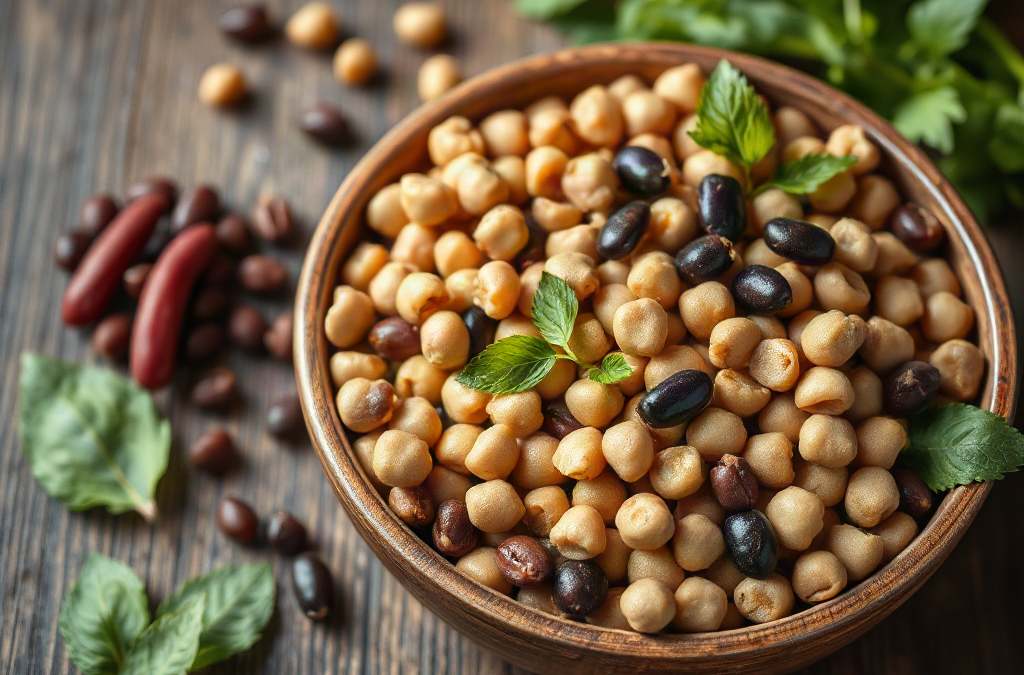
Organic legumes for affordable plant-based protein include lentils, chickpeas, black beans, kidney beans, split peas, and soy foods; their value comes from combining substantial protein and fiber with flexible storage and low-cost meal uses. Choose dry legumes for the lowest price when you can plan soaking and cooking, or use canned varieties when convenience matters more. Pair them with grains, seeds, or dairy foods when desired, while remembering that a varied diet matters more than creating a perfect protein combination at every meal. Rinsing canned legumes reduces surface liquid and sodium, and gradual portion increases can make the fiber easier to tolerate.
Which Organic Legumes Offer the Best Value
Lentils, beans, chickpeas, split peas, and soy foods make up the practical core of an affordable plant-based protein pattern. They provide protein alongside fiber, complex carbohydrates, minerals, and varying amounts of folate, iron, potassium, and magnesium. That combination matters because a serving can anchor a meal rather than functioning as a small add-on. A pot of lentils can become soup, grain bowls, tacos, or a filling for baked vegetables, while chickpeas can move between salads, stews, and blended spreads.
Dry lentils are often the easiest starting point because they cook relatively quickly and usually do not require soaking. Brown or green lentils hold their shape for salads and skillet dishes; red lentils break down into dal, soups, and sauces. Dry beans can offer strong value when purchased in larger quantities, but their preparation takes more planning. Chickpeas are useful when a firm texture matters, whereas split peas are better suited to thick soups and purées.

Soybeans, tofu, tempeh, and edamame deserve separate consideration. Soy foods generally provide a more concentrated protein contribution than many cooked beans, but they may cost more depending on the product and region. Tofu is especially useful when a meal needs a firm, sliceable ingredient; edamame works well in grain bowls and stir-fries. Choosing organic is a purchasing preference, not a reason to ignore nutrition, freshness, price, or safe storage.
A sensible budget comparison looks beyond the package price. Ask how much edible food the package produces, whether it will be used before spoiling, and how much preparation time it demands. A cheaper dry bean that remains in the cupboard is not a better buy than a slightly more expensive canned bean that prevents an unplanned takeout meal. For more ideas that connect purchasing with everyday eating, see Organic legumes for affordable plant-based protein.
Dry Versus Canned Legumes
Dry and canned legumes can both support an economical eating pattern; the better choice depends on time, equipment, storage space, and how reliably meals are planned. Dry legumes usually require rinsing, cooking, cooling, and refrigeration after preparation. Canned legumes are ready much sooner, which makes them valuable for weeknight meals, packed lunches, or households where cooking large batches is unrealistic.
Dry beans need enough water and cooking time to become fully tender. Older beans may take longer, and hard water can affect texture. A pressure cooker can shorten the process, but it is not necessary. Lentils and split peas are often more forgiving for beginners because they cook without the same soaking routine used for many dried beans. If a batch is cooked, portioning it into shallow containers allows it to cool more efficiently before refrigeration or freezing.
Canned products deserve a label check rather than automatic rejection. Compare varieties for added salt, sauces, sweeteners, and unnecessary flavorings. Rinsing and draining can reduce the salty liquid left on the surface, although it does not turn every product into a low-sodium food. No-salt-added cans may cost more but can be useful when the rest of a dish contains salty ingredients such as broth, olives, cheese, or prepared seasoning blends.
The main mistake is treating convenience as a nutritional failure or treating dry food as automatically superior. Canned lentils may be the most practical option for a fast lunch, while dry chickpeas may be preferable for someone cooking once for several meals. A useful pantry has both: quick options for busy days and dry staples for planned batch cooking. That balance makes the eating pattern more resilient and reduces the chance that cost-saving plans collapse under time pressure.
Building Complete, Satisfying Meals
Legumes become more satisfying when a meal combines their protein and fiber with vegetables, grains or starchy foods, and a source of fat or a flavorful sauce. Brown rice with black beans, whole-grain toast with lentil stew, or corn tortillas with pinto beans are practical combinations because they bring complementary textures and amino acid profiles without requiring a carefully calculated pairing at every sitting. Variety across the day matters more than turning each plate into a nutrition puzzle.
A useful plate can start with one main legume portion, then add produce and a substantial carbohydrate. For example, chickpeas can be roasted or simmered with tomatoes, served over bulgur, and finished with cabbage and yogurt or tahini. Lentils can be cooked with carrots, onions, and spices, then spooned over potatoes or rice. Tofu can be paired with frozen vegetables and noodles, while edamame can add protein to a grain salad that would otherwise rely mainly on vegetables.
Preparation affects satisfaction as much as the ingredient itself. Whole beans in a thin broth may leave some people hungry sooner than beans folded into a thicker stew with grains and vegetables. A small amount of olive oil, avocado, nuts, seeds, or a dairy topping can improve flavor and energy density, though the best choice depends on dietary needs and budget. Canned coconut milk and specialty meat substitutes can be useful occasionally, but they may raise the cost of a meal without adding as much protein as expected.
Iron is another reason to build varied plates. Legumes contain plant-based iron, but the body handles non-heme iron differently from heme iron in animal foods. Pairing legumes with vitamin C-rich produce such as bell peppers, citrus, tomatoes, or broccoli may support iron absorption at the meal. Tea and coffee consumed with meals can interfere with iron absorption for some people, so anyone managing iron deficiency should ask a qualified clinician for individualized advice rather than relying on food combinations alone. The practical priority is a varied pattern, not a promise that one recipe will correct a deficiency.
Cooking, Storage, and Common Mistakes
Good legume cooking begins with texture and tolerance, not elaborate recipes. Sort dry legumes for debris, rinse them, and follow a reliable cooking method suited to the variety. Lentils can go directly into simmering soups or curries; many larger dried beans benefit from soaking before cooking, although the exact approach varies by bean and equipment. Cook until creamy or tender throughout rather than judging readiness by the outside appearance alone.
Digestive discomfort often follows a sudden jump in fiber, a very large serving, or beans that remain undercooked. Increase portions gradually, drink enough fluid, and notice whether smaller servings are easier to tolerate. Rinsing canned legumes and discarding soaking water may also make them more comfortable for some people, but no preparation guarantees that symptoms will disappear. Persistent or severe digestive symptoms deserve medical attention, particularly when accompanied by weight loss, bleeding, or ongoing pain.
Storage is part of affordability. Refrigerate cooked legumes promptly in covered containers and use them within a sensible household schedule, or freeze portions for later meals. Marking containers with the cooking date helps prevent forgotten batches. Canned legumes should be transferred from opened cans to covered containers if they will be stored, and packages with damaged seals, bulging cans, or unusual odors should not be used.
Several mistakes repeatedly undermine an otherwise sound plan:
- Buying more than the household uses: Start with two or three varieties and expand after they become part of regular meals.
- Ignoring texture: Choose lentils for fast cooking, chickpeas for firmness, and split peas for thick dishes.
- Assuming every plant-based product is economical: Compare tofu, tempeh, canned beans, dry beans, and meat substitutes by usable protein and serving cost.
- Making the meal too plain: Acid, herbs, spices, toasted seeds, and sauces can turn a low-cost staple into food people will actually want to eat.
A small weekly plan can be enough: cook one dry legume, keep one canned option available, and assign each to two different meals. If the cooked batch is still untouched after several days, the problem is probably not the legume itself but the lack of a specific use for it.
Frequently Asked Questions
Which organic legume is cheapest for plant-based protein?
Dry lentils and beans are often among the lowest-cost options, but the best value depends on package price, edible yield, preparation time, and whether the food will actually be used.
Are canned organic beans a healthy choice?
Yes, canned beans can fit a nutritious diet. Choose products with simple ingredients, compare sodium levels, and drain or rinse them when appropriate.
Do legumes need to be paired with grains at every meal?
No. A varied diet can provide complementary amino acids across the day. Legumes, grains, nuts, seeds, soy foods, and other protein sources can all contribute.
How can beginners reduce gas from legumes?
Begin with modest portions, increase fiber gradually, rinse canned products, and cook dry legumes until tender. Persistent symptoms should be discussed with a healthcare professional.
Are organic legumes more nutritious than conventional legumes?
Organic certification describes production practices, not a guarantee of higher protein or mineral content. Compare nutrition labels, price, freshness, and personal priorities when choosing.
Conclusion
Affordable plant-based protein does not require an elaborate pantry. Build around lentils, beans, chickpeas, split peas, or soy foods that fit your cooking time and preferred textures. Use dry legumes when batch preparation makes financial sense, and keep canned options for meals that need to happen quickly. Rely on simple pairings with grains, vegetables, sauces, and occasional seeds or dairy foods to improve satisfaction and dietary variety. Increase portions gradually if your current diet is low in fiber, and treat safe cooling and storage as part of the plan rather than an afterthought. Organic labeling can guide your purchasing values, but it should be weighed alongside cost, nutrition, convenience, and actual household use. The best next step is to choose one legume, plan two meals, and evaluate whether the method works in your real week.
Huge Discount on the Best Certified Organic Nutrient Dense Supplement!