Why Rooibos Contributes to Caffeine-Free Hydration
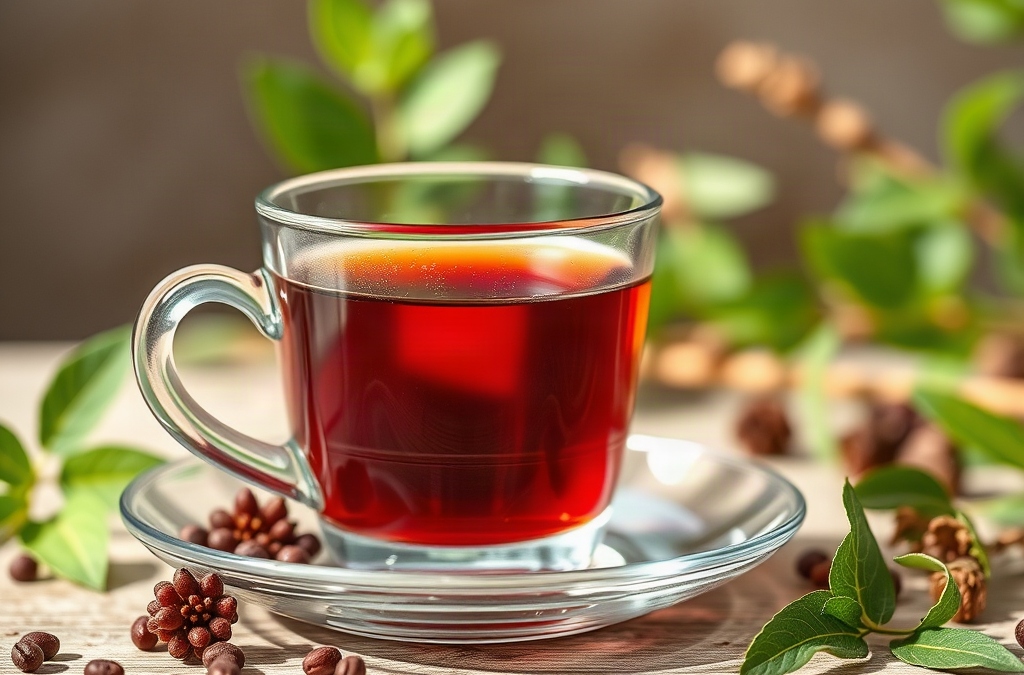
Rooibos tea contributes to hydration because its brewed infusion is primarily water. The red bush plant, native to South Africa, is naturally caffeine-free, making it a useful option for people who want a warm evening drink, a non-stimulating morning beverage, or a flavorful alternative to plain water. Unlike coffee and traditional black or green tea, rooibos does not bring the same caffeine-related concerns for people who are limiting stimulants.
The hydration value comes from the liquid itself rather than from a special rehydrating action of the leaves. A cup of unsweetened rooibos can count toward fluid intake, particularly for someone who drinks more consistently when water has a pleasant taste. That behavioral advantage matters: a beverage that encourages regular sipping may be more useful in daily life than an ideal drink that a person routinely avoids.
Rooibos contains naturally occurring plant compounds, including aspalathin and other polyphenols, but these compounds should not be confused with electrolytes or medical hydration therapy. The tea is not a meaningful source of sodium, and its mineral contribution varies with the leaves, water volume, and preparation. Claims that it detoxifies the body, replaces lost salts, or treats dehydration go beyond what a simple infusion can reliably do.
A practical comparison is unsweetened rooibos versus a flavored bottled drink. Rooibos may offer a simpler ingredient profile and no caffeine, while the bottled option may contain added sugar, juice concentrate, sodium, or other ingredients. Neither choice is automatically right for every situation. For ordinary desk work, meals, or an evening routine, rooibos can be a sensible fluid choice. After prolonged heat exposure or strenuous exercise, its lack of sodium makes water plus food, or a properly formulated electrolyte beverage, more appropriate.

Readers exploring Caffeine-free hydration from organic rooibos tea should prioritize total fluid intake, tolerance, and ingredient quality over claims printed on the front of a package.
How to Brew It for Flavor and Fluid Intake
Brewing strength determines whether rooibos becomes a dependable beverage or an unpleasant cup that gets abandoned. Use the package directions as a starting point, then adjust leaf quantity, water volume, and steeping time to suit the form of tea. Loose rooibos usually gives more control over strength, while bags offer easier portioning and less cleanup.
Boiling or near-boiling water generally extracts the tea’s color and flavor effectively. A brief steep produces a lighter drink; a longer steep creates a deeper, more woodsy infusion. Rooibos is often forgiving compared with delicate green tea, but excessive leaf quantity can make the drink taste dense rather than refreshing. For a large bottle, brew a concentrated batch first, cool it, and dilute with additional water instead of simply leaving tea leaves in the bottle all day.
Temperature changes the drinking experience. Hot rooibos may work well with breakfast or before bed, while chilled rooibos with citrus peel, mint, or sliced peach can replace sweetened iced tea. Add-ins should support the hydration goal rather than overwhelm it. A squeeze of lemon changes flavor, but it does not turn rooibos into an electrolyte drink. Honey or maple syrup can soften bitterness, yet frequent large additions increase sugar intake.
One common mistake is judging hydration by tea color. Darker tea is not necessarily more hydrating, and a stronger brew does not supply proportionally more minerals. Another mistake is allowing a brewed batch to sit unrefrigerated for an extended period. Prepare enough for the day, use a clean container, refrigerate chilled tea, and follow sensible food-safety practices for storage.
- For a hot cup: Brew a modest serving, taste it, and add water if the flavor is too concentrated.
- For iced tea: Make a stronger infusion, cool it promptly, then dilute over ice.
- For low-sugar hydration: Use citrus, berries, cinnamon, or mint before reaching for a large amount of sweetener.
This preparation approach makes rooibos hydration repeatable. The best method is the one that produces a pleasant, safe beverage you will actually drink.
Organic Labels, Sweeteners, and Ingredient Choices
An organic label addresses how agricultural ingredients were produced under the applicable certification system; it does not automatically guarantee stronger hydration, superior flavor, or a caffeine-free status beyond the plant itself. Pure rooibos is naturally caffeine-free, but a tea blend may include ingredients such as black tea, green tea, yerba mate, guarana, or cocoa, which can alter the stimulant profile. Read the ingredient list rather than relying only on words such as “energy,” “herbal,” or “natural.”
For a straightforward daily drink, choose a product whose ingredient list identifies rooibos as the main or only tea ingredient. Organic certification may matter to shoppers who prefer certified agricultural practices, but it should be considered alongside freshness, packaging, flavor, and price. Loose tea can reduce individual packaging, while tea bags may be more convenient and consistent. A premium label is not a substitute for checking what is actually in the blend.
Sweeteners create the largest avoidable tradeoff in many ready-to-drink versions. Unsweetened homemade tea offers control, whereas bottled rooibos beverages may contain sugar, fruit juice, or syrups. A drink can remain caffeine-free while becoming a poor everyday hydration choice if it supplies more added sugar than the consumer intended. Compare serving size, not merely the front-label claim. A bottle presented as one drink may contain multiple servings.
Flavoring also deserves attention. Natural flavor, herbs, spices, and fruit pieces may be reasonable preferences, but people with allergies or sensitivities should inspect the full label. Anyone taking medication or managing a medical condition should avoid assuming that “herbal” means risk-free. Plain rooibos is simpler to evaluate than a complex blend containing numerous botanicals.
A useful shopping checklist is compact:
- Confirm that the blend contains rooibos and no stimulant tea if caffeine avoidance is strict.
- Check whether the product is certified organic if that designation matters to you.
- Compare added sugar and serving size in bottled versions.
- Look for packaging that protects aroma and leaves from excess moisture.
These checks distinguish an organic rooibos product that fits a hydration routine from one that merely uses health-oriented marketing.
When Rooibos Works and When Water Is Better
Rooibos is well suited to routine fluid intake, but it is not a universal substitute for water or oral rehydration solutions. During a normal day, an unsweetened cup can accompany a meal, fill a break between work tasks, or provide a caffeine-free evening option. Its value is practical: flavor may make regular drinking easier without adding a stimulant.
Water remains the simplest choice when the body needs plain fluid without flavor, calories, or plant compounds. It is also easier to use in large quantities during activity. If someone is sweating heavily, fluid replacement involves more than liquid volume; sodium and other factors may matter depending on duration, heat, diet, and individual circumstances. Rooibos alone supplies little sodium, so it should not be presented as a sports drink.
Illness changes the decision. Vomiting or diarrhea can cause fluid and electrolyte losses that ordinary tea may not adequately replace. An appropriate oral rehydration product, medical advice, or urgent care may be needed depending on severity and symptoms. Seek professional guidance for signs such as confusion, fainting, inability to keep fluids down, or markedly reduced urination. Rooibos can be a gentle beverage for some people, but it should not delay treatment.
People with reflux, food sensitivities, or allergies may respond differently to acidic additions, concentrated tea, or blended ingredients. Discomfort after drinking it is a reason to reduce strength, remove add-ins, or choose another beverage—not evidence that the tea is cleansing or causing a beneficial adjustment. Pregnant people, children, and those using medication should ask a clinician about unusual herbal blends, especially when the product contains more than rooibos.
Prioritize the beverage according to the situation:
- Choose plain water for basic, flexible hydration.
- Use unsweetened rooibos when flavor and caffeine avoidance improve regular intake.
- Use a suitable electrolyte or rehydration product when substantial fluid and salt losses are involved.
This hierarchy prevents the common error of treating a pleasant herbal tea as a complete solution for every hydration problem.
A Practical Daily Rooibos Hydration Routine
A workable routine begins with a defined use rather than a target number of cups. Someone replacing afternoon coffee may brew rooibos after lunch; someone avoiding evening caffeine may keep a chilled pitcher ready in the refrigerator. Linking the tea to an existing meal or break makes the habit easier to maintain than preparing it only when thirst becomes intense.
Start with an unsweetened batch and assess three signals: whether the flavor encourages drinking, whether the drink causes digestive discomfort, and whether the preparation fits the person’s schedule. If the tea is too strong, dilute it. If it is too plain, add mint, citrus, or frozen fruit. If a sweetened version is the only one consumed, gradually reduce the sweetener or alternate it with plain tea and water.
A realistic day might include water with breakfast, chilled rooibos during an afternoon meeting, and a warm cup after dinner. That pattern uses tea as one component of fluid intake rather than turning every beverage into a wellness claim. It also leaves room for water-rich foods such as melon, oranges, cucumber, soups, or yogurt, which contribute fluid while supplying other nutrients.
Portability creates another constraint. A sealed bottle of unsweetened rooibos may be convenient, but homemade tea requires attention to cooling and storage. Tea left in a hot car is not a dependable substitute for a freshly prepared drink. At work or while traveling, tea bags and a safe hot-water source can simplify preparation, while a refillable bottle of water handles larger fluid needs.
The routine is working when the person drinks more consistently, the beverage remains low in added sugar, and tea does not displace meals or necessary medical hydration. It is failing when the drink becomes heavily sweetened, causes symptoms, or is used after significant fluid loss instead of a suitable rehydration approach. For more ideas on using rooibos in everyday nutrition, keep the emphasis on simple ingredients and realistic drinking habits.
For reliable background, consult national food-safety guidance on beverage storage and recognized nutrition organizations for advice about hydration during exercise or illness. Product labels and organic certification information are also more useful than broad claims about detoxification or mineral replacement.
Frequently Asked Questions
Is organic rooibos tea naturally caffeine-free?
Pure rooibos is naturally caffeine-free. Blends may contain caffeinated tea or botanicals, so check the complete ingredient list when avoidance is essential.
Can rooibos tea count toward daily fluid intake?
Yes. Unsweetened rooibos is mostly water and can contribute to ordinary daily fluid intake, especially when its flavor makes regular drinking easier.
Does rooibos replace electrolytes after exercise?
Not reliably. Rooibos contributes fluid but is low in sodium, so prolonged sweating may call for water with food or a suitable electrolyte beverage.
How can rooibos be sweetened without making it a high-sugar drink?
Try citrus peel, mint, cinnamon, berries, or a small measured amount of honey. Compare added sugar per serving in bottled products and account for the full bottle size.
How should brewed rooibos be stored?
Use a clean container, cool iced tea promptly, and refrigerate it. Avoid leaving prepared tea in warm conditions for extended periods.
Conclusion
Organic rooibos tea is a practical caffeine-free beverage for ordinary hydration when it is brewed simply, kept low in added sugar, and enjoyed as part of a broader fluid pattern. The organic designation may guide agricultural preferences, but the ingredient list, serving size, storage, and personal tolerance deserve equal attention. Use plain water for the most flexible hydration, rooibos when flavor improves consistency, and an appropriate rehydration option when illness, heat, or prolonged exercise causes meaningful fluid and sodium losses. A useful next step is to brew a small unsweetened batch, test it hot and chilled, and decide where it fits naturally in the day. That approach keeps the benefits realistic while avoiding unsupported claims about detoxification or electrolyte replacement.
Huge Discount on the Best Certified Organic Nutrient Dense Supplement!

Additional Resources
Authoritative Sources
- CDC Water and Healthier Drinks
cdc.govOfficial public-health guidance on drinking water, hydration, and healthier beverage choices.