Sep 2, 2026 | Organic Nutrition
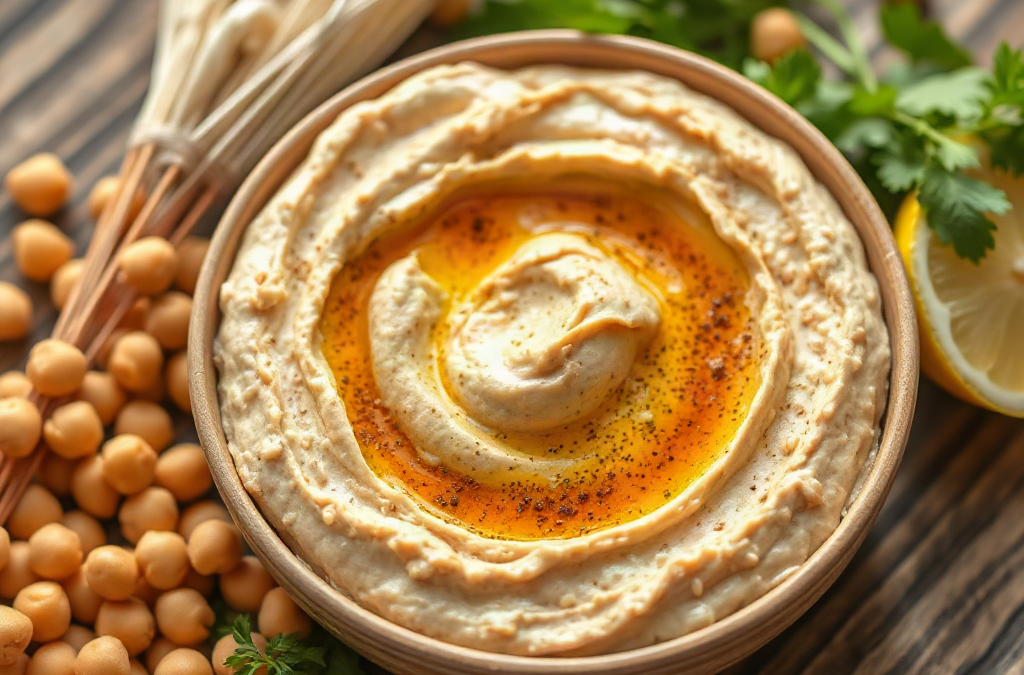
Ingredient checks for choosing organic hummus should prioritize the chickpea base, the type of oil, sodium, tahini, and any preservatives or flavor additives. Look for chickpeas, sesame tahini, lemon juice, garlic, and a modest amount of oil, while checking whether the oil is clearly named rather than hidden in a broad blend.
Sep 1, 2026 | Organic Nutrition
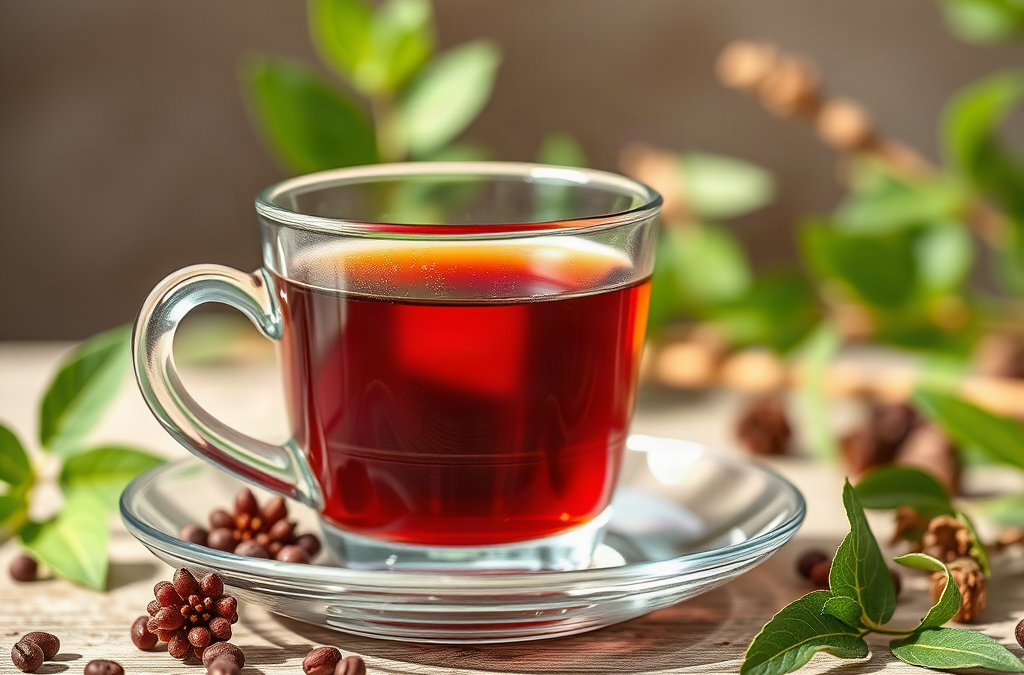
Explore caffeine-free hydration from organic rooibos tea through why rooibos contributes, including practical limits and conditions that change the outcome.
Aug 30, 2026 | Organic Nutrition
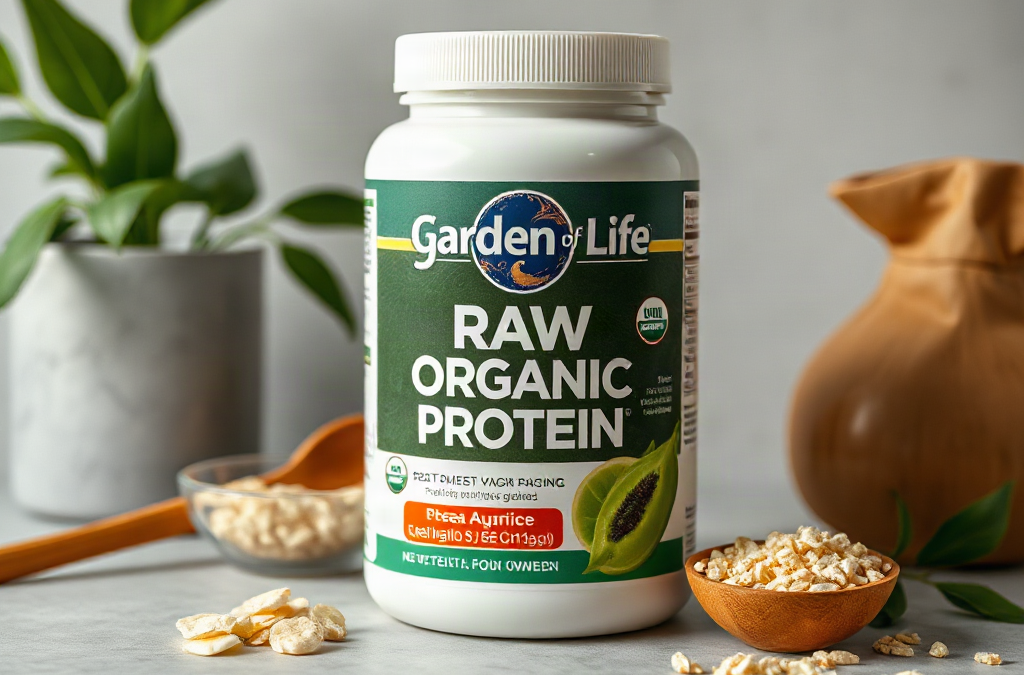
The Garden of Life Raw Organic Protein ingredient review is generally favorable for shoppers seeking an organic, plant-based powder, but the label deserves closer inspection than the word “raw” suggests. Its main protein sources are typically organic peas and other plant ingredients, while added enzymes, flavoring components, sweeteners, and any…
Aug 29, 2026 | Organic Nutrition
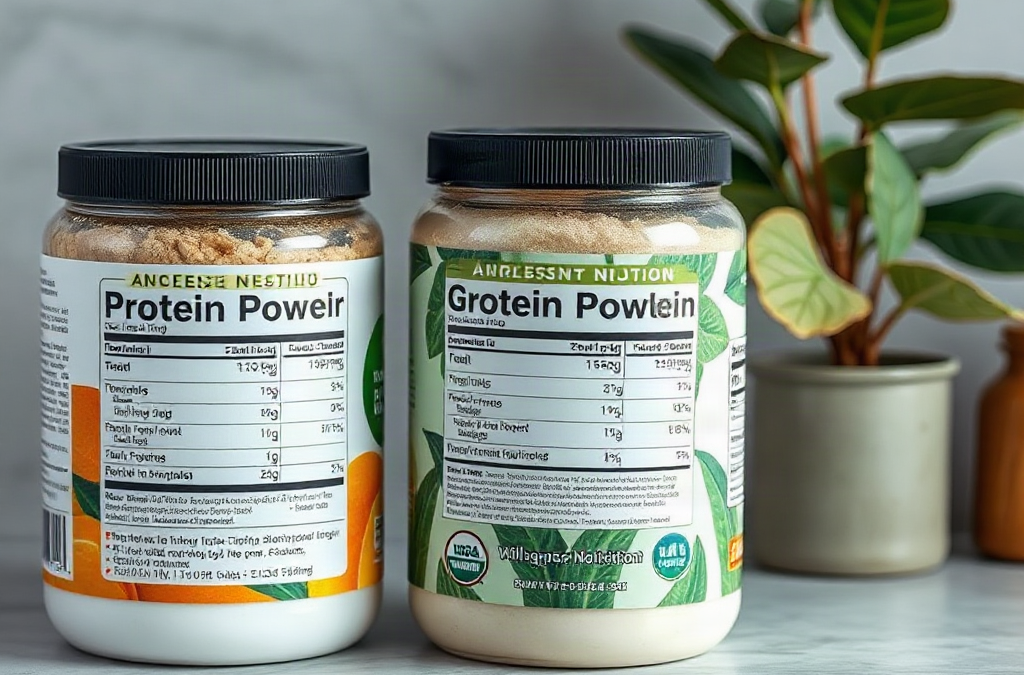
Comparing labels on organic plant-based protein powders means weighing protein per serving, ingredient simplicity, amino acid sources, organic certification, and serving cost rather than relying on front-label claims. Check the serving size first, then compare grams of protein, added sugars, sodium, sweeteners, gums, and the number of ingredients.
Aug 29, 2026 | Organic Nutrition
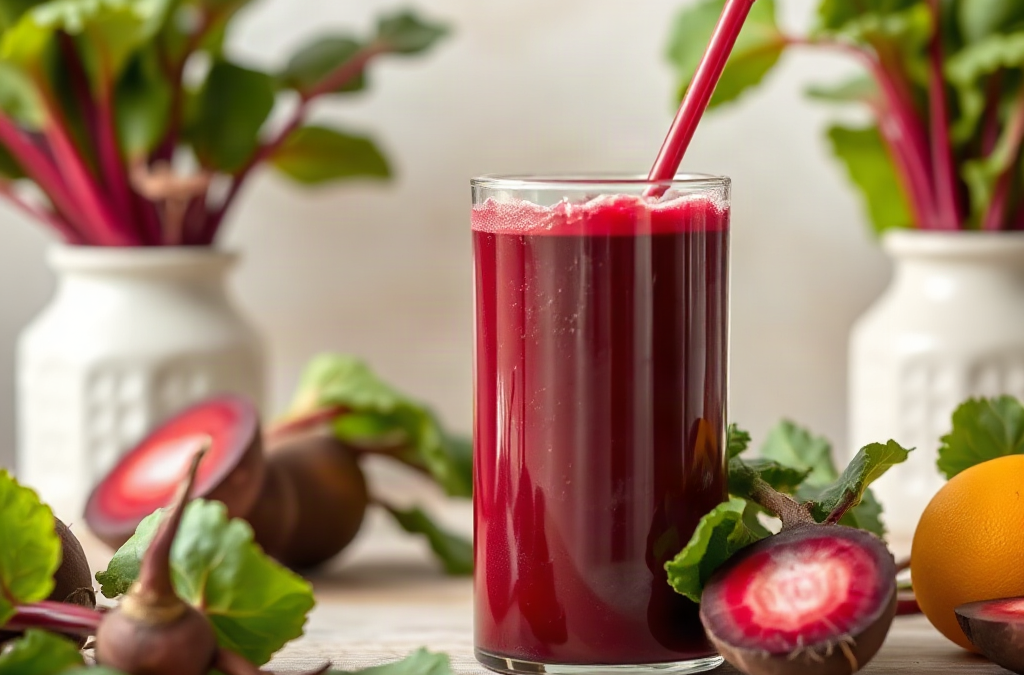
The best organic beet juice choices by ingredients are usually unsweetened, certified-organic juices made primarily from beets, with no unnecessary syrups, concentrates, or stimulant blends. Compare the ingredient list first, then check whether the label identifies beet juice percentage, added sugar, sodium, and serving size.
Aug 28, 2026 | Organic Nutrition
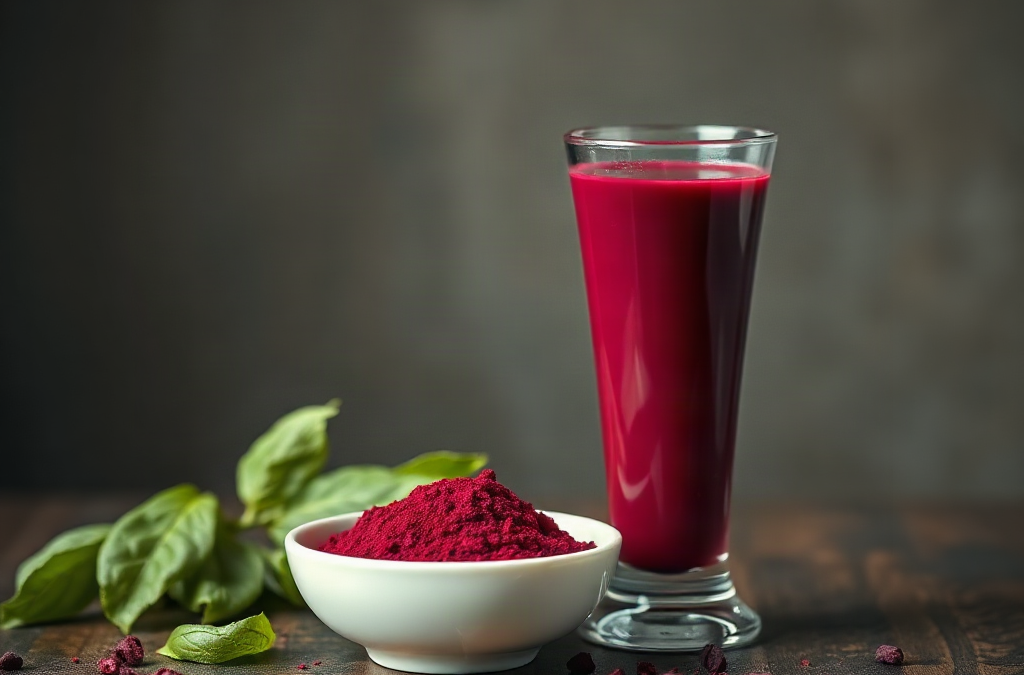
Organic beetroot powder compared with beet juice differs mainly in concentration, serving consistency, liquid volume, and how much of the whole beet remains after processing. Beet juice is ready to drink and may provide a more predictable liquid serving, while powder is easier to store, transport, and mix into yogurt, oats, or smoothies.