
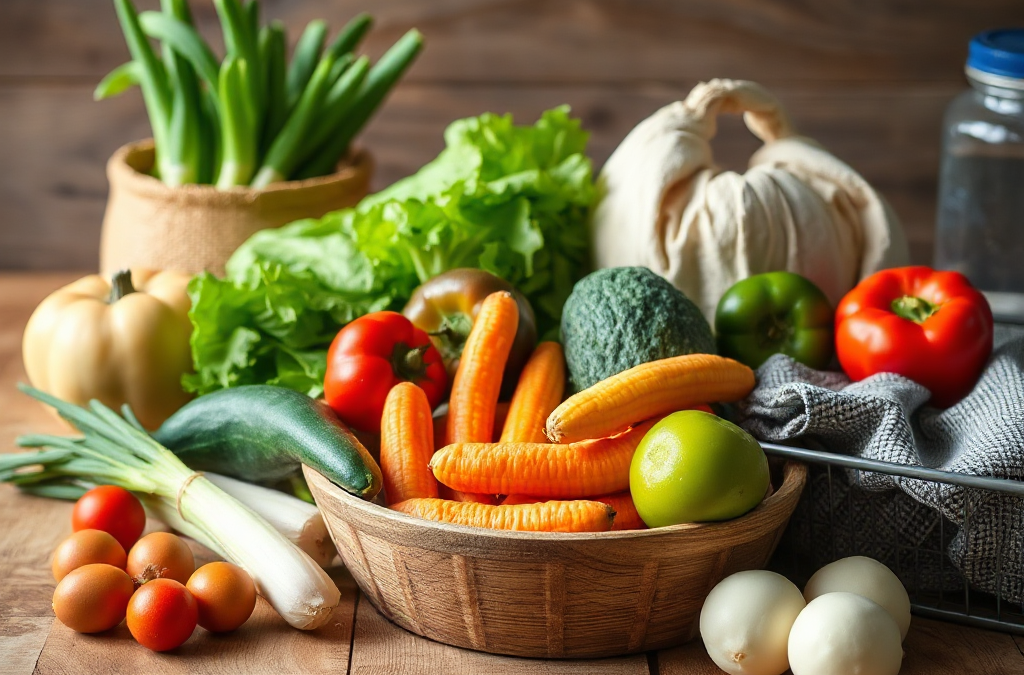
To balance an organic diet with budget constraints, prioritize seasonal produce, buy in bulk, and consider local farmers' markets. Focus on essential organic items that provide the most nutritional value, like fruits, vegetables, and grains. Avoid processed organic foods, which can be expensive and less healthy. Planning meals and utilizing coupons can further help manage costs while maintaining a nutritious organic diet.
Understand the Cost of Organic Foods
Understanding the cost dynamics of organic foods is crucial for balancing an organic diet with budget constraints. Organic products often carry a premium price due to the methods used in their production, which tend to be labor-intensive and require more natural resources. Recognizing this can help consumers make informed decisions on which organic items are worth the investment. For instance, conventional apples may be cheaper, but organic options may offer higher nutrient levels and lower pesticide residues.
Additionally, factors such as supply chain logistics, seasonal availability, and consumer demand can influence prices. This means that during peak harvest seasons, organic produce can be significantly cheaper. Awareness of these variables allows consumers to strategically plan their purchases around when organic products are most affordable.
Strategies for Shopping on a Budget

Implementing effective shopping strategies is key to managing a budget while purchasing organic foods. Start by creating a shopping list based on planned meals, which helps avoid impulse buys. Stick to the perimeter of grocery stores where fresh produce, meats, and dairy are typically located, as these are often more nutritious and less processed.
Buying in bulk is another effective approach. Many stores offer discounts on bulk purchases for organic grains, nuts, and seeds. This not only reduces costs but also minimizes packaging waste. Additionally, consider joining a local co-op or food purchasing group to access organic products at lower prices.
Another tip is to take advantage of sales and coupons. Many organic brands provide discounts through newsletters or loyalty programs. By staying informed about promotions, shoppers can save significantly on their organic purchases.
Utilizing Seasonal and Local Produce
Incorporating seasonal and local produce into your diet is an effective way to balance organic eating with budget constraints. Seasonal fruits and vegetables are often fresher, tastier, and less expensive due to lower transportation costs. Local farmers’ markets are excellent places to find organic produce at competitive prices.
For example, purchasing tomatoes in the summer when they are in season can be much cheaper than buying them in winter. Moreover, many farmers’ markets offer discounts for bulk purchases or for buying directly from the farm, which can lead to substantial savings. Engaging with local farmers also allows consumers to ask about growing practices, ensuring that they are indeed purchasing organic products.
Additionally, consider growing your own herbs and vegetables. Even a small backyard or balcony can yield a variety of produce, reducing dependence on store-bought organic items.
Meal Planning and Preparation
Meal planning is an essential strategy for balancing an organic diet with budget constraints. By planning meals for the week, you can optimize the use of ingredients and minimize food waste. Start by selecting recipes that share similar ingredients to ensure that items are used effectively and do not spoil before being consumed.
Prepare meals in batches to save time and reduce costs. Cooking larger quantities allows for leftovers, which can be used for lunches or dinners later in the week. This practice not only saves money but also ensures that healthy, organic meals are readily available.
Utilizing frozen organic fruits and vegetables can also be a cost-effective solution. They are often picked at peak ripeness and flash-frozen, preserving their nutrients while being more affordable than fresh organic produce out of season.
Frequently Asked Questions
What are the main benefits of an organic diet?
An organic diet can reduce exposure to pesticides, support local farmers, and often contains higher nutrient levels.
How can I find affordable organic food?
Look for local farmers' markets, buy in bulk, utilize coupons, and consider joining a co-op for better prices.
Are organic foods really worth the extra cost?
While organic foods can be more expensive, they may offer health benefits such as lower pesticide exposure and better nutrient density.
Can I grow my own organic produce?
Yes, even small spaces can accommodate container gardening, allowing you to grow herbs and vegetables organically.
What should I prioritize when buying organic?
Focus on purchasing organic versions of the Dirty Dozen, which are fruits and vegetables that typically have higher pesticide residues.
Conclusion
Balancing an organic diet with budget constraints is achievable through strategic shopping, meal planning, and prioritizing seasonal produce. By understanding costs and implementing smart strategies, you can enjoy the benefits of organic foods without breaking the bank. Start with small changes, such as planning meals and exploring local markets, and gradually incorporate more organic items into your diet as your budget allows.
Huge Discount on the Best Certified Organic Nutrient Dense Supplement!

Additional Resources
Authoritative Sources
- Eating Healthy on a Budget: Practical Tips from Columbia ...
ihn.cuimc.columbia.eduPractical strategies include planning meals before grocery shopping, cooking homemade versions of favorite foods, purchasing seasonal produce, ...
- How to eat healthy on a budget - AgriLife Today
agrilifetoday.tamu.eduTexas A&M AgriLife nutrition expert shares practical tips for saving money on healthy meals · Plan meals before you shop · Buy seasonal produce ...
- Food preparation on a budget: an analysis of food ... - PMC
pmc.ncbi.nlm.nih.govBy comparing regular and healthy budget food communities, we aimed to discover strategies to reduce food costs and maintain healthy diets.


