
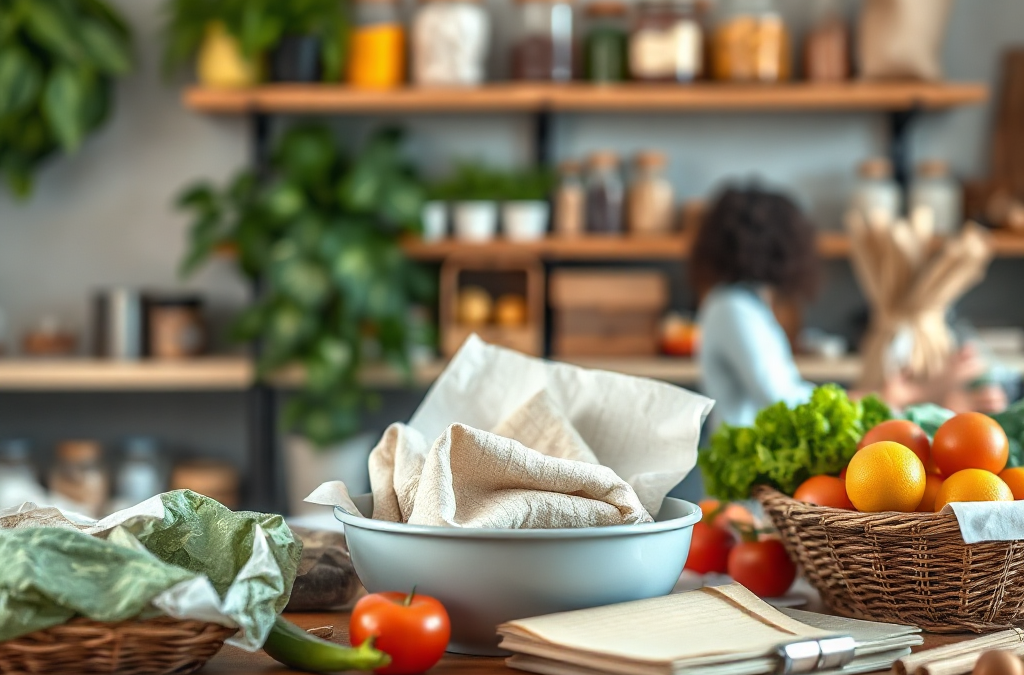
How to incorporate organic foods into busy lifestyles is to prioritize a short list of frequently eaten items, shop from a repeatable plan, and prepare flexible ingredients rather than complete meals. Frozen organic vegetables, canned beans, eggs, oats, fruit, and prewashed greens can reduce cooking and shopping demands, while batch-cooked grains or proteins provide quick meal foundations. Buying every item organic is not necessary for a balanced approach, especially when cost or availability is restrictive. The main pitfalls are purchasing more fresh food than the household can use and choosing packaged products solely because they carry an organic label. A small weekly routine works better: plan, shop, prep, assemble, and adjust.
Build an Organic Food Routine Around Real Schedules
A workable organic eating routine begins with the meals you already repeat, not an ambitious menu that requires a new recipe every night. Review a typical week and identify breakfasts, packed lunches, quick dinners, and snacks that appear often. Then replace the most frequently used ingredients with organic versions where the choice fits your budget, availability, and preferences. This approach creates consistency without making the label the only measure of a good purchase.
Time pressure usually affects food in three places: shopping decisions, preparation, and cleanup. A plan that addresses only cooking may still fail when a rushed shopper buys too many perishable items or discovers that dinner requires an ingredient missing from the refrigerator. A short list of repeat purchases solves part of that problem. For example, organic oats, bananas, eggs, plain yogurt, frozen vegetables, brown rice, canned beans, and whole-grain tortillas can support several meals with little chopping.

Choose a routine that matches your actual calendar. A household with late workdays may benefit from two assembly meals, one slow-cooker meal, and one leftover night. Someone living alone may need smaller packages, frozen produce, and recipes that hold up for several portions. Families may prefer ingredients that can be served separately so children and adults can build different plates from the same cooked food.
A common mistake is treating organic shopping as an all-or-nothing project. That can increase expense and create decision fatigue, which makes convenience foods more tempting. A priority list is more useful:
- Choose organic versions of foods eaten often and easily available at a reasonable price.
- Use frozen or shelf-stable options when freshness is likely to be lost before cooking.
- Keep conventional alternatives available when the organic option would strain the food budget.
- Judge packaged items by the full ingredient list, not the organic claim alone.
For a related planning perspective, how to incorporate organic foods into busy lifestyles is less about perfect compliance than reducing friction at the next meal.
Shop for Organic Staples That Save Time
Efficient shopping depends on selecting ingredients that perform more than one job. Organic frozen spinach can go into an omelet, soup, smoothie, or pasta sauce; canned organic chickpeas can become a salad topping, grain-bowl protein, or quick spread. These products may not replace fresh food in every meal, but they offer predictable storage and reduce the risk that a busy week will turn fresh groceries into waste.
Separate the shopping list into four practical groups: ready-to-eat items, quick-cook ingredients, freezer backups, and longer-lasting pantry foods. Ready-to-eat choices might include fruit, yogurt, nuts, or washed greens. Quick-cook foods include eggs, tofu, fish, chicken, pre-cut vegetables, and whole-grain pasta. Freezer backups can include vegetables, berries, edamame, and prepared grains. Pantry foods such as oats, lentils, beans, canned tomatoes, and nut butter provide structure when shopping is delayed.
Compare fresh, frozen, and canned forms by intended use rather than assuming one is always better. Fresh organic berries may suit immediate snacking, while frozen berries may be more practical for a person who shops every two weeks. Canned beans are convenient, though rinsing them can reduce some of the liquid and salt. Frozen vegetables often require no trimming and can be cooked in minutes, making them a stronger choice than fresh produce that remains unused.
Shopping online or using a repeating grocery list can reduce impulse purchases, but it can also encourage over-ordering. Check package sizes against the number of people eating and the days before the next shopping trip. A large container is not economical if it spoils before use. The best sign that the system is working is not a full refrigerator; it is a small set of ingredients that can become several meals without another store visit.
Use how to incorporate organic foods into busy lifestyles as a filter for every purchase: will this item shorten a future meal, combine with something already at home, or remain usable if plans change?
Use Batch Preparation Without Creating Food Waste
Batch preparation is most effective when it produces components rather than identical meals. Cook a pot of quinoa, brown rice, or another preferred grain; roast a tray of vegetables; and prepare one protein or legume. Store each separately so the same ingredients can become a bowl, wrap, soup, or side dish. Component cooking protects variety while still removing the most time-consuming steps from weekday meals.
Begin with foods that tolerate storage well. Cooked grains, roasted root vegetables, hard-boiled eggs, washed sturdy greens, and cooked beans can serve several meals. Delicate greens, cut avocado, dressed salads, and crisp toppings are better prepared close to serving because moisture and air change their texture. Cooling cooked food promptly and using clean, covered containers supports quality and lowers the chance of contamination; follow the storage guidance supplied by your local food-safety authority for specific limits.
A realistic preparation session may take 45 to 60 minutes. While the oven heats, wash fruit and assemble snack portions. While grains simmer, chop vegetables or mix a simple dressing. This parallel workflow is more efficient than preparing one recipe from start to finish. Keep sauces separate from grains and greens so leftovers remain usable instead of becoming soggy.
The main failure mode is preparing too much food because batch cooking feels productive. A single person may need two or three servings, not a full week of one dish. Start with quantities that cover the first few busy days, then freeze suitable portions or plan a second short preparation session. Signs of a good system include fewer emergency takeout orders, ingredients being used in different combinations, and little food discarded at the end of the week. If containers remain untouched, reduce the batch or change the format.
Assemble Flexible Meals for Workdays and Evenings
Flexible meals use a simple structure: a carbohydrate source, a protein-rich food, vegetables or fruit, and a flavor element such as herbs, salsa, olive oil, yogurt, or a quick dressing. This structure allows one preparation session to serve different tastes. Organic brown rice, roasted broccoli, chickpeas, and tahini can become a bowl; the same rice and chickpeas can fill a tortilla with greens and salsa the next day.
Breakfast does not need separate cooking every morning. Overnight oats can combine organic oats, milk or a dairy alternative, fruit, seeds, and yogurt. Eggs with frozen vegetables can be cooked quickly and placed in a whole-grain tortilla. If mornings are unpredictable, keep two options available: one ready to eat and one that takes less than ten minutes. Relying on a single breakfast increases the chance that a missed preparation step disrupts the entire day.
Lunches should be designed for transport and reheating. Grain salads, bean bowls, soup, and leftovers usually travel better than meals that depend on crisp texture. Pack dressing, nuts, seeds, or toasted toppings separately. For dinner, use a three-level plan: a meal assembled from prepared components, a quick skillet or sheet-pan meal, and a backup requiring almost no cooking, such as organic canned beans with toast, fruit, and a salad.
Do not confuse organic certification with nutritional balance. An organic cookie, sweetened drink, or heavily refined snack may still be an occasional food rather than a foundation of the diet. Whole foods such as vegetables, fruit, legumes, whole grains, eggs, nuts, and minimally processed proteins deserve attention because they provide useful nutrients and meal flexibility. Individual nutritional needs vary, and people managing diabetes, allergies, kidney disease, pregnancy, or other medical conditions may need advice from a qualified clinician or registered dietitian.
A helpful next step is to record which meals were genuinely easy and which created delays. Adjust the system based on that evidence rather than adding more recipes. The goal is a dependable path from refrigerator to plate.
Control Cost, Quality, and Food Safety
Budget control improves when organic purchases are prioritized instead of spread evenly across every category. Compare unit prices, select seasonal items when they are affordable, and use frozen or canned foods to reduce spoilage. Buying legumes, oats, rice, and other pantry staples in larger quantities may lower the cost per serving, but only if the household has enough storage and uses them regularly.
Organic does not mean local, unprocessed, automatically more nutritious, or free from food-safety concerns. Wash produce under running water when appropriate, keep raw animal foods separate from ready-to-eat ingredients, and clean cutting surfaces between tasks. Prewashed greens still need to be handled according to the package directions. Refrigerate perishable foods promptly, label leftovers with the preparation date, and discard food when its smell, appearance, or storage history raises a safety concern.
Convenience products deserve a closer comparison. Pre-cut organic vegetables cost more than whole vegetables but may prevent waste for a person who will not chop after work. A frozen organic meal may fit an occasional emergency, yet its sodium, added sugars, saturated fat, and portion size still matter. A store-bought organic sauce can save time, while a quick homemade mixture of olive oil, lemon, garlic, and herbs may offer more control when several meals need dressing.
Set a monthly review rather than trying to optimize every trip. Note which purchases were eaten, which spoiled, and which saved meaningful time. Keep the successful items on the repeat list and remove aspirational purchases. This kind of feedback makes an organic routine financially and operationally sustainable.
Frequently Asked Questions
Do all foods need to be organic?
No. Prioritize foods eaten often, then use conventional, frozen, or canned alternatives when price and availability make them more practical.
Which organic foods are easiest for busy people?
Frozen vegetables and fruit, canned beans, oats, eggs, yogurt, whole grains, nuts, and prewashed greens are versatile and require limited preparation.
How can organic groceries stay within a budget?
Compare unit prices, plan around repeat meals, buy seasonal or frozen produce, and avoid purchasing perishables in quantities the household cannot use.
Is frozen organic produce a good choice?
Yes, when it suits the meal. Frozen produce stores longer, requires little trimming, and can be useful when fresh ingredients would spoil before cooking.
How long should batch-prepared food be kept?
Storage time depends on the food, cooling method, refrigerator temperature, and local food-safety guidance. Label containers and use official storage recommendations rather than guessing.
Conclusion
A busy schedule does not require abandoning organic choices or attempting an elaborate meal plan. Build around foods that appear repeatedly in your week, keep durable freezer and pantry backups, and prepare components that can move between bowls, wraps, soups, and quick plates. Spend more on organic items when the purchase fits your budget and is likely to be eaten; choose other forms when cost, storage, or waste makes them the wiser option. Review the routine after a few weeks by checking time saved, food discarded, and meals that still felt satisfying. A practical next step is to select five dependable staples, plan three flexible meals, and prepare only enough components for the first part of the week.
Huge Discount on the Best Certified Organic Nutrient Dense Supplement!