
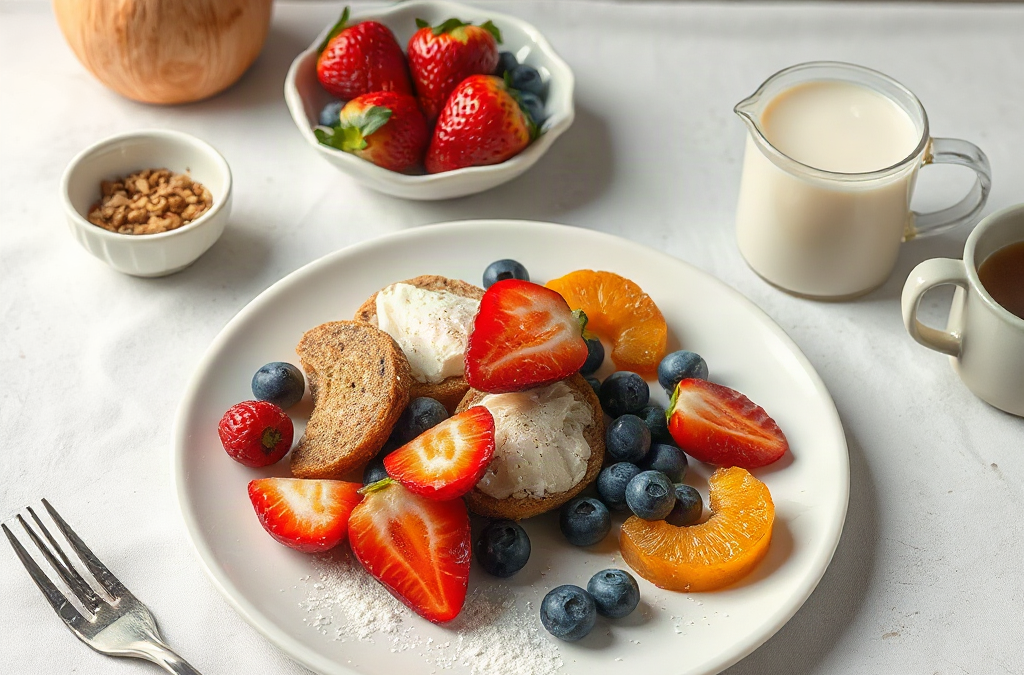
Organic breakfast foods can promote steadier morning energy when a meal combines fiber-rich carbohydrates, protein, and unsaturated fat while limiting heavily sweetened products. Useful combinations include organic oats with fruit and nuts, eggs with whole-grain toast and vegetables, or plain yogurt with berries and seeds. Carbohydrates provide readily available fuel, while protein, fat, and fiber slow digestion and make the meal more sustaining. Organic certification addresses how agricultural ingredients are produced; it does not guarantee that a cereal, pastry, or breakfast bar is nutritionally balanced.
What Makes Breakfast Energy Last?
A sustaining breakfast contains more than a quick source of carbohydrate. Oats, fruit, bread, and cereal supply carbohydrate that the body can use for energy, but the pace and staying power of a meal also reflect its fiber, protein, fat, portion, and degree of processing. A bowl of sweetened cereal may feel adequate immediately yet be less satisfying than oatmeal topped with walnuts and served with plain yogurt.

Fiber generally slows the movement of food through the digestive system, while protein and fat contribute to fullness. Pairing these components does not guarantee identical energy for every person, but it usually creates a more substantial meal than eating refined carbohydrate alone. Steel-cut oats and rolled oats, for example, can both anchor breakfast. Adding berries, chia seeds, milk, yogurt, or nut butter changes the meal from mostly carbohydrate into a broader mixture of nutrients and textures.
Organic status should be treated as a production preference rather than a shortcut for predicting energy or nutritional quality. An organic toaster pastry can still contain refined flour and substantial added sugar, while conventional plain oats remain a fiber-containing whole grain. Shoppers who prefer organic ingredients should first identify the foods they value most, then assess the same nutritional features they would examine in any breakfast.
The most common failure is assembling a breakfast from several foods that are all predominantly carbohydrate. Granola with sweetened yogurt, juice, and a muffin may appear varied, but the foods can overlap nutritionally. A better adjustment is not necessarily to remove every carbohydrate. Keep one useful base, such as oats or whole-grain toast, and add a distinct protein source plus fruit, vegetables, nuts, or seeds.
| Breakfast component | Organic examples | Practical role |
|---|---|---|
| Fiber-rich carbohydrate | Oats, whole-grain bread, berries, apples | Provides fuel and adds meal volume |
| Protein | Eggs, plain Greek yogurt, cottage cheese, tofu | Makes breakfast more substantial |
| Unsaturated fat | Walnuts, chia seeds, peanut butter, avocado | Adds staying power and flavor |
| Flavor without heavy sweetening | Cinnamon, vanilla, fresh fruit, toasted seeds | Improves appeal without relying on added sugar |
A useful sign that breakfast is working is predictable comfort and concentration until the next planned meal or snack. Persistent hunger soon after eating may indicate that the portion was too small or lacked protein, fiber, or fat. Uncomfortable fullness may mean the meal was larger or richer than needed. Adjust one element at a time so the result is easier to interpret.
Which Organic Breakfast Combinations Work Well?
Effective combinations match the eater’s schedule and appetite rather than following a single ideal menu. A person facing a long commute may need a portable breakfast, while someone exercising early may prefer a smaller meal before activity and a fuller breakfast afterward. The same ingredients can be arranged differently without losing the underlying balance.
For a warm option, cook organic rolled oats with milk or fortified unsweetened soy beverage, then add chopped apple, cinnamon, and walnuts. The oats and apple contribute carbohydrate and fiber; the milk or soy beverage adds protein; and walnuts contribute fat and texture. If the bowl does not hold hunger, increase the protein component rather than automatically doubling the oats or sweetener.
A savory breakfast can pair two eggs or a tofu scramble with sautéed spinach, mushrooms, and whole-grain toast. This works well for people who find sweet breakfasts unsatisfying. Eggs and tofu differ in taste, preparation, and nutrient profile, but either can provide the protein center of the meal. Avocado can replace butter when its flavor and cost make sense, although using both is not required for balance.
Plain organic yogurt with berries, pumpkin seeds, and a modest amount of lower-sugar muesli offers a cold option. Plain yogurt gives the eater control over sweetness, whereas flavored varieties may supply more added sugar than expected. People avoiding dairy can consider unsweetened alternatives, but plant-based yogurts vary considerably in protein. A coconut-based product may be creamy yet provide little protein, so its label deserves closer attention.
Busy mornings call for deliberate convenience. Overnight oats can be assembled the night before, while a hard-cooked egg, banana, and a small container of nuts require little morning preparation. A smoothie is another option, but it should function as a meal rather than fruit juice with a health-oriented appearance. Whole fruit, plain yogurt or tofu, oats, and nut butter make it more substantial. Drinking quickly may still feel less satisfying than chewing a similar meal, so portion and hunger cues matter.
Rotating two or three dependable breakfasts is often more realistic than planning seven unique meals. Use this compact priority order:
- Choose a carbohydrate base: oats, fruit, or whole-grain bread.
- Add recognizable protein: eggs, yogurt, tofu, cottage cheese, or unsweetened soy milk.
- Include fiber or unsaturated fat: berries, vegetables, nuts, seeds, or avocado.
- Adjust sweetness and portion: taste before adding syrup, honey, or extra granola.
The mistake to avoid is treating every healthy-sounding addition as necessary. Seeds, nuts, nut butter, avocado, and granola can all be nutritious, but combining generous portions of each may produce a breakfast that feels excessively heavy. Select additions for a clear purpose and scale them to appetite.
How Should You Evaluate Packaged Breakfast Foods?
Packaged organic breakfast products should be evaluated by the ingredient list and Nutrition Facts label, not by the front-panel design. Terms such as organic, multigrain, fruit-flavored, or naturally sweetened answer different questions and do not reveal whether the product supplies enough protein or fiber for a satisfying breakfast.
Start by identifying what the product actually contributes to the meal. A cereal made primarily from whole oats or whole wheat may provide a useful carbohydrate base. It may still need milk, yogurt, nuts, or seeds to become a complete breakfast. A breakfast bar with dates, rice syrup, or cane sugar near the beginning of the ingredient list may function more like a compact sweet snack, even when every ingredient is certified organic.
Added sugar deserves attention because breakfast foods can contain sweetness from several ingredients. Honey, maple syrup, agave, fruit juice concentrate, and organic cane sugar remain added sweeteners when used in packaged foods. That does not make a product unusable; the practical question is how much sweetness it contributes alongside fiber, protein, and the rest of the meal. Compare similar products on the same serving basis and check whether the listed serving resembles the amount you actually pour or eat.
Granola illustrates the tradeoff clearly. It can contain whole grains, nuts, and seeds, but it is usually denser than plain oatmeal and may be sweetened or prepared with added oil. A smaller amount can add crunch to plain yogurt and berries. Using a large cereal bowl of granola as the entire meal changes both the portion and nutritional balance. Muesli or plain oats may be better everyday bases for people who want more volume with control over sweetness.
Protein claims also require context. A product can advertise protein while supplying an amount that remains modest compared with eggs, strained yogurt, cottage cheese, tofu, or soy milk. Rather than searching for one package that performs every role, combine a simple product with a complementary whole food. Whole-grain toast with peanut butter and fruit is often easier to assess than a long-ingredient breakfast cookie.
The label review is failing if organic certification becomes the only filter or if comparison turns into a search for a flawless product. Prioritize the feature most relevant to the product category: whole grains and added sugar for cereal, protein and sweetening for yogurt, and portion size plus ingredients for granola or bars. Dietary allergies, celiac disease, and medically directed eating plans require additional checks beyond these general considerations.
Building Breakfast Around Time, Budget, and Appetite
A practical breakfast system begins with constraints: available time, food storage, appetite on waking, household preferences, and grocery budget. Organic versions can cost more or be unavailable in some stores, so an all-or-nothing standard may make breakfast harder to sustain. The nutritional structure of the meal matters even when only some ingredients are organic.
Budget-conscious shoppers can choose organic foods selectively. Plain oats, seasonal fruit, eggs, milk, and peanut butter often have more breakfast uses than specialty bars, single-serve cups, or prepared bowls. Compare unit prices rather than package prices, and account for waste. A large container of plain yogurt may cost less per serving than individual cups, but only if the household will finish it.
Preparation time can be reduced by separating weekly work from morning work. Cook several eggs, portion oats into jars, wash fruit, or divide nuts into small containers. Frozen organic berries can be useful when fresh berries are expensive or spoil before being eaten. They work directly in cooked oatmeal and can thaw overnight in yogurt. Frozen produce is not a lesser choice simply because it is not displayed fresh.
Low morning appetite requires a different approach from persistent early hunger. Someone who struggles with a large breakfast might start with a smaller yogurt-and-fruit bowl or toast with nut butter, then plan a later snack containing protein and fiber. Someone hungry soon after a light breakfast may need a larger portion or an added egg, yogurt, tofu, nuts, or seeds. Forcing the same meal size on both situations ignores useful feedback.
Exercise timing, medication instructions, digestive conditions, and blood-glucose management can affect what and when a person eats. General breakfast advice should not replace individualized guidance from a registered dietitian or other qualified clinician, particularly when meals must coordinate with treatment. Personal tolerance also matters: high-fiber breakfasts may need to increase gradually for someone unaccustomed to oats, legumes, seeds, or large fruit portions.
Review the routine after several mornings rather than judging it once. Check whether the meal is easy to prepare, enjoyable enough to repeat, affordable, and satisfying until the next planned eating occasion. If it fails, diagnose the specific problem. Hunger suggests revisiting portion or protein; a rushed morning suggests more advance preparation; food waste suggests buying fewer perishable options. Organic breakfast foods are useful only when the complete routine works outside an idealized menu.
Frequently Asked Questions
Are organic breakfast foods automatically healthier?
No. Organic certification concerns agricultural production standards, not whether a product is high in fiber, low in added sugar, or nutritionally balanced. Review the complete food and meal.
What is a simple organic breakfast for a busy morning?
Try overnight oats with plain yogurt, berries, and seeds, or combine a hard-cooked egg with whole-grain toast and fruit. Both can be prepared largely in advance.
Is oatmeal enough for steady morning energy?
Plain oatmeal provides useful carbohydrate and fiber but may be more sustaining with a protein source and some fat, such as yogurt and walnuts or soy milk and peanut butter.
Can a smoothie replace breakfast?
It can when it contains more than juice and fruit. Include a protein source, whole fruit, and a substantial ingredient such as oats, chia seeds, or nut butter, with portions suited to appetite.
Which breakfast ingredients are worth buying organic?
There is no universal priority list for every household. Choose according to availability, price, personal production preferences, and how frequently the food is eaten without sacrificing overall meal balance.
Conclusion
Build breakfast around function rather than an organic label alone. Begin with oats, fruit, or whole-grain bread, then add a clear source of protein and a measured amount of nuts, seeds, avocado, or another satisfying accompaniment. Packaged cereal, granola, yogurt, and bars can fit, but their ingredients, added sugar, protein, fiber, and realistic serving size deserve closer attention than front-label claims.
Choose two or three combinations that match your mornings and prepare the slowest elements ahead. After several days, use hunger, comfort, convenience, cost, and food waste as feedback. If the meal falls short, change the missing component rather than replacing the entire routine. Medical needs, digestive symptoms, or treatment-related meal timing warrant individualized advice from a qualified health professional.