Sep 17, 2026 | Food
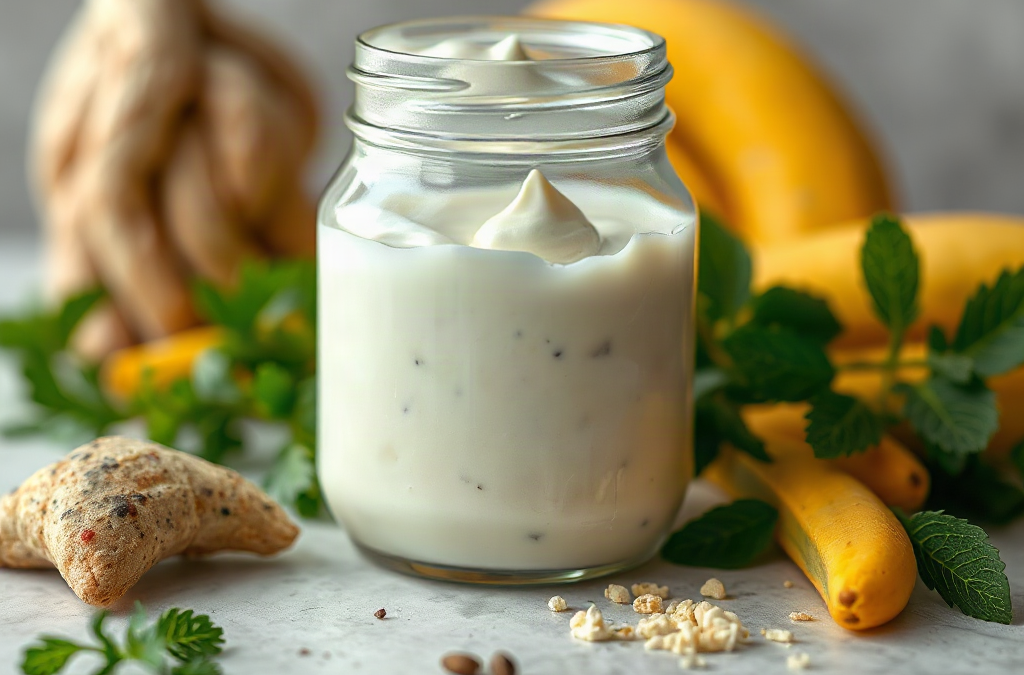
Organic fermented foods and probiotic expectations should be based on the specific food, living cultures, storage conditions, and the limited claims a label can support—not on the word “organic” alone. Yogurt with active cultures, refrigerated sauerkraut, kimchi, kefir, and certain fermented vegetables may provide live microorganisms, but heat treatment, pasteurization…
Sep 17, 2026 | Organic Nutrition
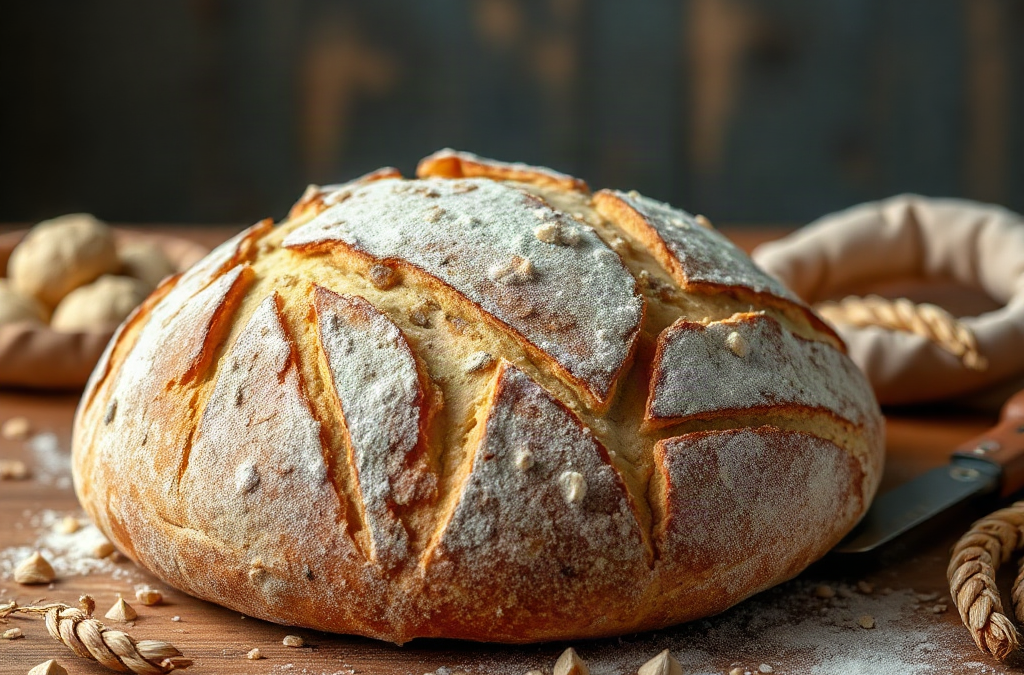
Organic sourdough ingredients and fermentation claims should be judged separately: organic flour describes how grain was produced, while fermentation depends on wild yeast, lactic-acid bacteria, hydration, temperature, and time. A starter may change acidity, flavor, and texture, but fermentation does not automatically remove gluten, make bread suitable for celiac disease, or guarantee superior nutrition.
Sep 16, 2026 | Food
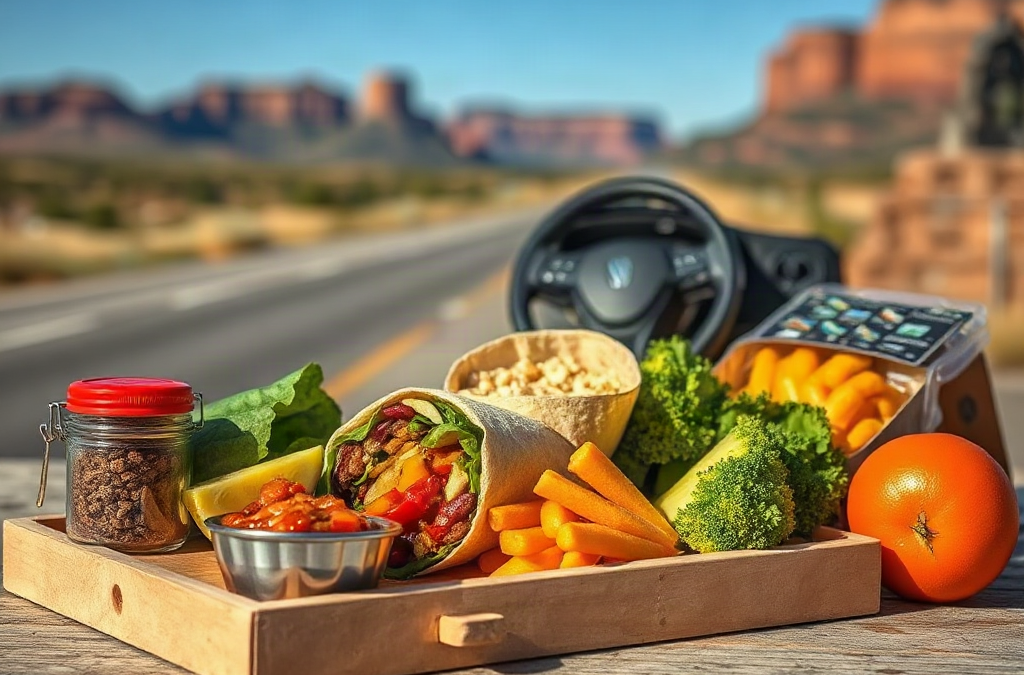
Travel-day organic food options for balanced portable meals work best when they combine a durable carbohydrate, protein, produce, and a safe temperature plan. Pack items such as whole-grain wraps, nut or seed butter, roasted chickpeas, apples, carrots, and a chilled bean-and-grain salad so energy is steadier than with pastries or candy alone.
Sep 16, 2026 | Health
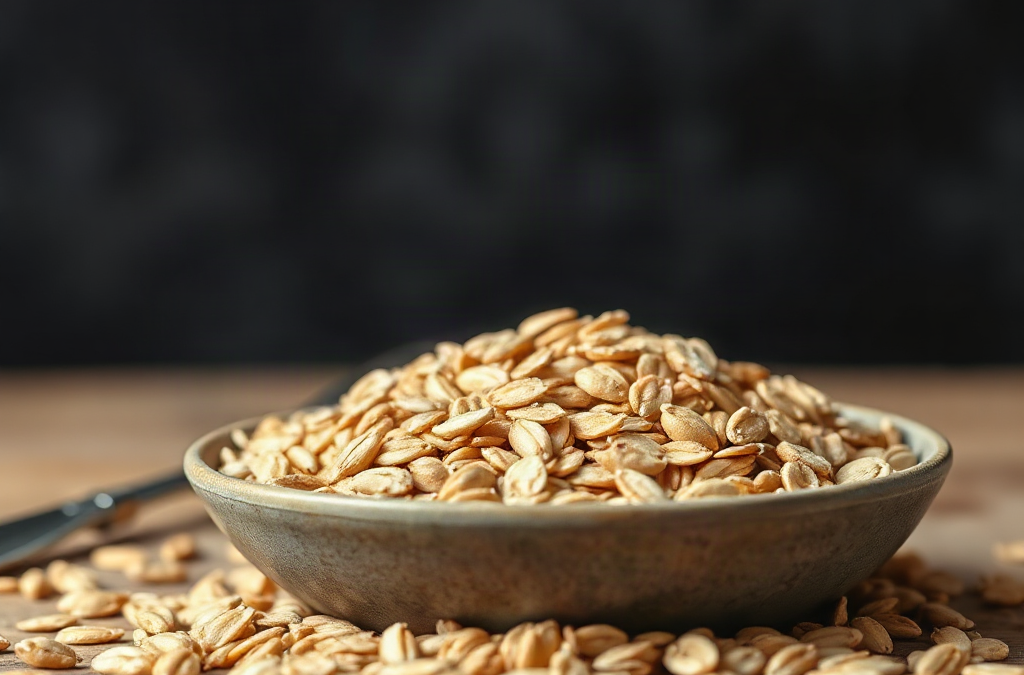
Organic grains for resistant starch and digestive health include cooked-and-cooled oats, barley, brown rice, and other intact grains, because cooling changes part of their starch into a form that reaches the colon for microbial fermentation.
Sep 16, 2026 | Cooking
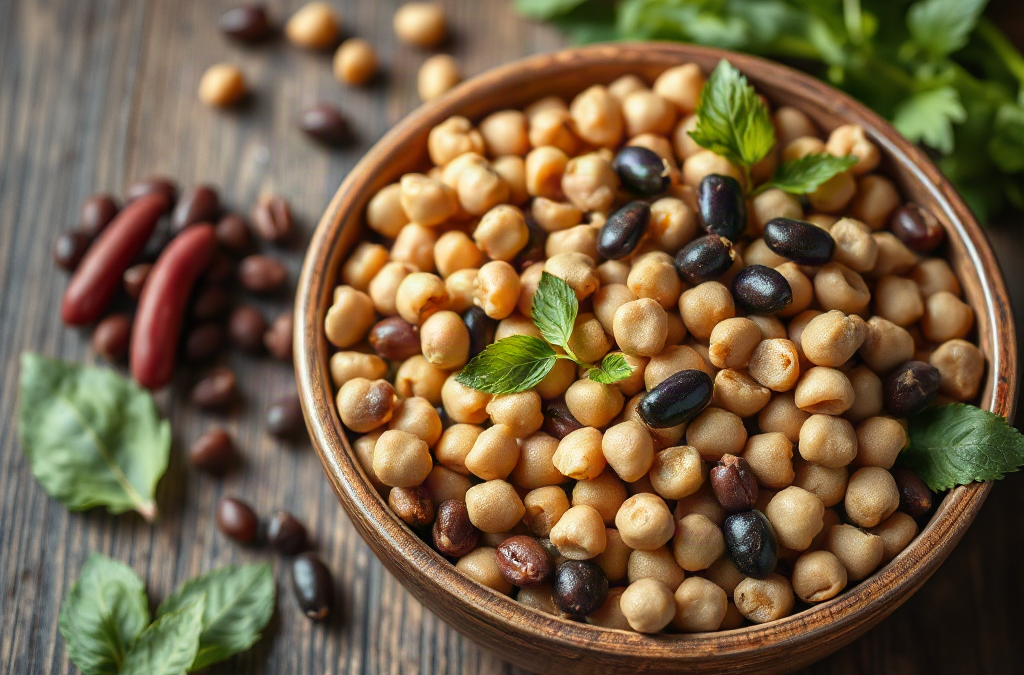
Organic legumes for affordable plant-based protein include lentils, chickpeas, black beans, kidney beans, split peas, and soy foods; their value comes from combining substantial protein and fiber with flexible storage and low-cost meal uses. Choose dry legumes for the lowest price when you can plan soaking and cooking, or use…