
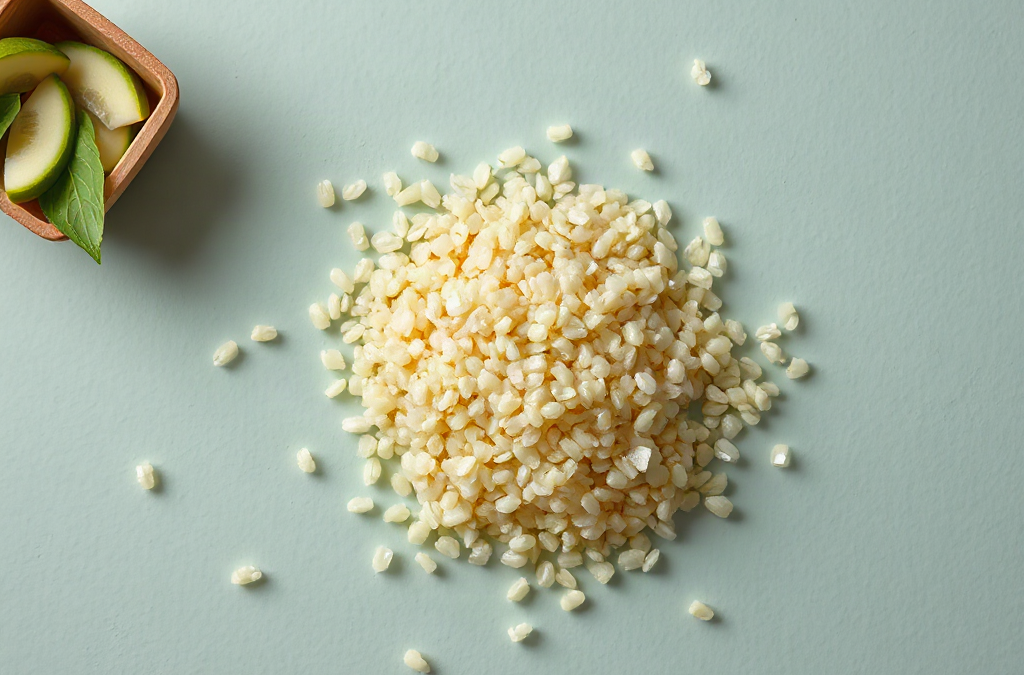
Organic quinoa supports balanced meal planning when it is treated as a versatile whole-grain base and paired with vegetables, a substantial protein source, and a flavorful fat or sauce. Its carbohydrate, fiber, and plant-protein content makes it useful in grain bowls, salads, soups, and breakfasts, but quinoa alone does not create a complete meal. Cook a batch without heavy seasoning, refrigerate it promptly, and change the surrounding ingredients throughout the week. Organic certification addresses how quinoa is produced and handled; it should not be assumed to make the grain inherently more nutritious than conventionally grown quinoa.
What Makes Quinoa Useful in Balanced Meals?
Quinoa works well in a weekly plan because its mild flavor and separate, tender grains fit several meal formats without demanding a different cooking method each time. Although quinoa is botanically a seed, it is prepared and served much like a whole grain. It contributes carbohydrate for energy, fiber, plant protein, and minerals, while remaining adaptable enough to move from a savory lunch bowl to a warm breakfast.

Its protein contains all nine essential amino acids, which is notable for a plant food, but that fact is sometimes stretched into a weak meal-planning assumption. A serving of quinoa should not automatically replace every other protein-rich food in a meal. Beans, lentils, tofu, tempeh, eggs, fish, poultry, yogurt, or another suitable protein can make a quinoa meal more substantial. The best choice depends on appetite, dietary pattern, budget, and any nutrition guidance provided by a qualified professional.
A practical plate might combine quinoa with roasted broccoli, chickpeas, pumpkin seeds, and a lemon-tahini dressing. Here, quinoa supplies the grain-like base, chickpeas increase protein and fiber, broccoli adds vegetable volume, and tahini contributes fat and flavor. By comparison, a bowl containing only quinoa, cucumber, and a light splash of lemon may look fresh but may not remain satisfying for long because it lacks a substantial protein component and has little fat.
The organic label has a narrower meaning than many shoppers assume. In the United States, certified organic labeling relates to regulated production and handling requirements. It does not establish that every organic quinoa product has a better nutrient profile, flavor, or cooking performance than every conventional option. Package freshness, storage conditions, grain quality, and preparation can matter more to the finished meal.
Choose organic quinoa when certified production practices align with your purchasing priorities and the price fits your food budget. Check the ingredient list on seasoned or ready-to-heat products, since added sodium, oil, sweeteners, or flavorings may affect how easily the quinoa fits a planned dish. Plain dry quinoa usually offers the most flexibility and often costs less per serving, while precooked pouches trade some economy for speed. The useful decision is not whether quinoa carries the most appealing front-label language, but whether its form, price, and ingredients fit the meals you will realistically prepare.
How Do You Build a Balanced Quinoa Meal?
A balanced quinoa meal needs complementary foods rather than an oversized mound of quinoa. Begin with a portion that suits the meal, then add a clear protein source, generous vegetables or fruit, and a modest source of fat. This structure provides more variety in texture and nutrients than treating quinoa as both the base and the main event.
For many adults, roughly one-half to one cup of cooked quinoa can be a practical starting range, but there is no universal serving size. Energy needs, activity, appetite, health conditions, and the rest of the plate all affect the appropriate amount. Someone eating quinoa beside lentil stew may want less than someone using it as the main carbohydrate after a demanding workout. Children and adults with individualized dietary needs may require different portions.
| Meal component | Practical options | Role in the meal |
|---|---|---|
| Quinoa base | Plain, herbed, or cooked in unsalted broth | Provides carbohydrate, texture, fiber, and plant protein |
| Protein partner | Lentils, black beans, tofu, eggs, chicken, fish, or yogurt | Adds substance and broadens the nutrient mix |
| Produce | Leafy greens, peppers, squash, tomatoes, berries, or apples | Adds volume, color, flavor, and varied nutrients |
| Fat and flavor | Olive oil, avocado, nuts, seeds, tahini, or pesto | Improves flavor and makes lean combinations more satisfying |
The structure can be adapted without forcing every meal into a bowl. For breakfast, combine warm quinoa with plain yogurt or fortified soy yogurt, berries, walnuts, and cinnamon. At lunch, use quinoa in a chopped salad with white beans, tomatoes, parsley, olives, and vinaigrette. Dinner could pair a smaller scoop with baked salmon or marinated tofu and two roasted vegetables. Each meal uses quinoa differently while preserving the same basic logic.
Flavor deserves equal attention because a nutritionally thoughtful meal that tastes flat is unlikely to stay in the rotation. Quinoa readily absorbs dressings and sauces, but adding all the sauce during batch preparation can make it soggy. Store strong flavor elements separately and add them when serving. Acid from citrus or vinegar, fresh herbs, toasted spices, and crunchy seeds can sharpen the grain without relying entirely on salt.
A common failure is adding several concentrated components without considering the whole plate. Quinoa, chickpeas, avocado, nuts, and a rich tahini dressing can all be useful foods, yet large amounts of each may produce a heavier meal than intended. Adjust portions rather than removing entire food groups. If the bowl feels too dense, increase non-starchy vegetables, choose either nuts or avocado, and thin the dressing with lemon juice or water.
Batch-Cooking Quinoa for the Week
Batch cooking is most effective when the quinoa remains neutral enough to support several cuisines. Cooking a large quantity with a strongly flavored sauce may save time on one dish but limits later options. A lightly salted or unsalted batch can become a Mediterranean-style salad, a bean bowl with lime, or a breakfast with fruit and cinnamon.
Rinsing is a useful first step unless the package states that the quinoa has already been rinsed. The grain naturally carries saponins on its outer surface, and inadequate rinsing may leave a bitter or soapy taste. Place it in a fine-mesh strainer and rinse under cool running water while moving the grains with your hand. Drain thoroughly so that excess rinse water does not disrupt the cooking ratio specified on the package.
Use the package directions as the primary reference because white, red, black, and mixed quinoa products can differ in texture and cooking time. Simmer gently rather than boiling aggressively, then let the covered pot rest after cooking. Fluffing with a fork separates the grains and releases steam. If the quinoa is wet and clumped, spreading it on a clean tray or wide dish can help it cool more evenly before storage.
Prompt cooling and refrigeration matter when preparing several days of meals. Divide cooked quinoa among shallow, covered containers instead of leaving a deep, warm pot on the counter. Follow current government food-safety guidance for cooling, refrigerator temperature, storage duration, and reheating. Discard quinoa that has been left at unsafe temperatures, has visible spoilage, or develops an unusual odor; reheating does not reliably correct every storage problem.
A workable preparation sequence is:
- Cook one plain batch: Keep the seasoning restrained so it can support sweet and savory meals.
- Prepare two proteins: For example, roast tofu and cook lentils, or prepare chicken and hard-cooked eggs.
- Choose contrasting vegetables: Pair roasted vegetables with crisp raw produce for different textures.
- Mix two sauces: A lemon-herb dressing and a ginger-lime sauce can make the same base taste unrelated.
- Store components separately: Assemble shortly before eating to protect texture and allow portion adjustments.
The method is working when quinoa stays separate rather than watery, planned portions are actually used, and meals can be assembled without tasting identical. Warning signs include a container remaining untouched late in the week, repeated sogginess, or meals that do not satisfy. In that case, cook a smaller batch, freeze suitable portions, increase the protein component, or alternate quinoa with brown rice, barley, potatoes, or another preferred carbohydrate.
How Can You Avoid Quinoa Meal-Planning Fatigue?
Quinoa fatigue usually comes from repeating the same finished dish, not from using the same cooked base. Changing temperature, texture, seasoning, and meal format creates more variation than buying numerous specialty ingredients. The goal is to reuse preparation effort without making each plate feel copied from the previous day.
Assigning different flavor directions across the week is more effective than seasoning the whole batch at once. One portion can be served cold with cucumber, tomato, parsley, chickpeas, and lemon. Another can be reheated with black beans, sautéed peppers, cabbage, avocado, and lime. A third can be folded into vegetable soup near the end of reheating. If breakfast quinoa appeals to you, warm it with milk or a fortified plant beverage and top it with fruit and seeds.
Texture often determines whether leftovers feel fresh. Combine fluffy quinoa with at least one crisp, creamy, or juicy component. Toasted almonds can enliven a soft roasted-vegetable bowl; shredded cabbage adds crunch to a warm bean mixture; yogurt or tahini sauce offsets dry ingredients. Avoid dressing an entire salad days ahead, because acidic dressing and watery vegetables can soften the grain and greens.
Alternation is also a sound planning choice. Quinoa offers useful variety, but no nutritional principle requires eating it daily. Rotating it with oats, brown rice, buckwheat, barley, corn, potatoes, or whole-grain pasta broadens flavors and makes a plan easier to sustain. People who avoid gluten can choose naturally gluten-free alternatives and should look for appropriate labeling when cross-contact is a concern.
Cost can be another constraint, particularly when organic quinoa is priced above familiar staples. Stretching it with lentils or beans can lower the cost per meal while retaining quinoa’s texture. Another option is to schedule it for two or three meals rather than building the entire week around it. Compare unit prices between package sizes, but do not buy a large bag unless you can store it dry, sealed, and away from heat and moisture.
The most common misconception is that successful planning requires seven fully assembled containers. Component planning is often more flexible. Keep quinoa, proteins, vegetables, and sauces separate, then assemble based on appetite and schedule. This approach accommodates an unexpected dinner out, prevents dressed ingredients from deteriorating, and makes it easier to correct an unbalanced meal. If lunch feels light, add beans or eggs; if dinner is too heavy, reduce the quinoa portion and increase vegetables rather than abandoning the plan.
Conclusion
Quinoa earns a place in meal planning through flexibility rather than nutritional shortcuts. Use it as one component of a meal, pair it with a meaningful protein source and varied produce, and adjust the portion to appetite and circumstances. A plainly seasoned batch offers the greatest range, especially when sauces, crunchy toppings, and moisture-rich vegetables are stored separately.
Prioritize a quantity your household can finish safely instead of cooking the largest possible batch. If meals become repetitive, change the format or alternate quinoa with other grains and starchy foods. When shopping, treat organic certification as a production choice rather than proof of a better nutrient profile. The most practical next step is to choose two contrasting meals, prepare one modest batch, and note whether the portions, storage method, and flavor combinations work before expanding the plan.
Frequently Asked Questions
Is organic quinoa more nutritious than conventional quinoa?
Organic certification describes regulated farming and handling practices, not guaranteed nutritional superiority. Variety, processing, freshness, cooking, and the foods served with quinoa may have more practical influence on the meal.
How much cooked quinoa should go in a meal?
About one-half to one cup cooked is a practical starting range for many adults, but appetite, activity, dietary needs, and the other meal components should determine the final portion.
Does quinoa need to be rinsed before cooking?
Rinsing can remove residual saponins that may taste bitter or soapy. Check the package first, because some quinoa is sold pre-rinsed.
Can quinoa be the only protein in a balanced meal?
Quinoa contributes plant protein, but pairing it with beans, tofu, eggs, fish, poultry, yogurt, or another protein source generally creates a more substantial meal.
Can cooked quinoa be frozen?
Yes. Cool it promptly, portion it into freezer-suitable containers, and thaw or reheat only what you need. Follow current food-safety guidance and discard portions showing spoilage.