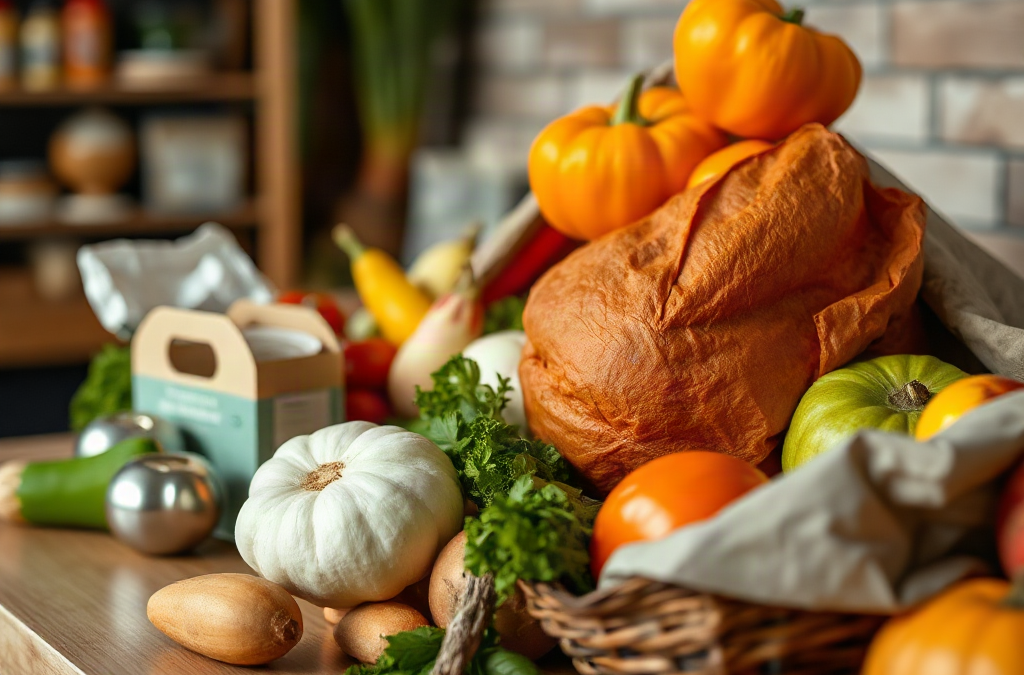
Budget Prioritization for Organic Foods With Limited Spending: A Purchase-by-Purchase Plan
Explore budget prioritization for organic foods with limited spending through food budget before choosing, considering the conditions that change the outcome.

Explore budget prioritization for organic foods with limited spending through food budget before choosing, considering the conditions that change the outcome.
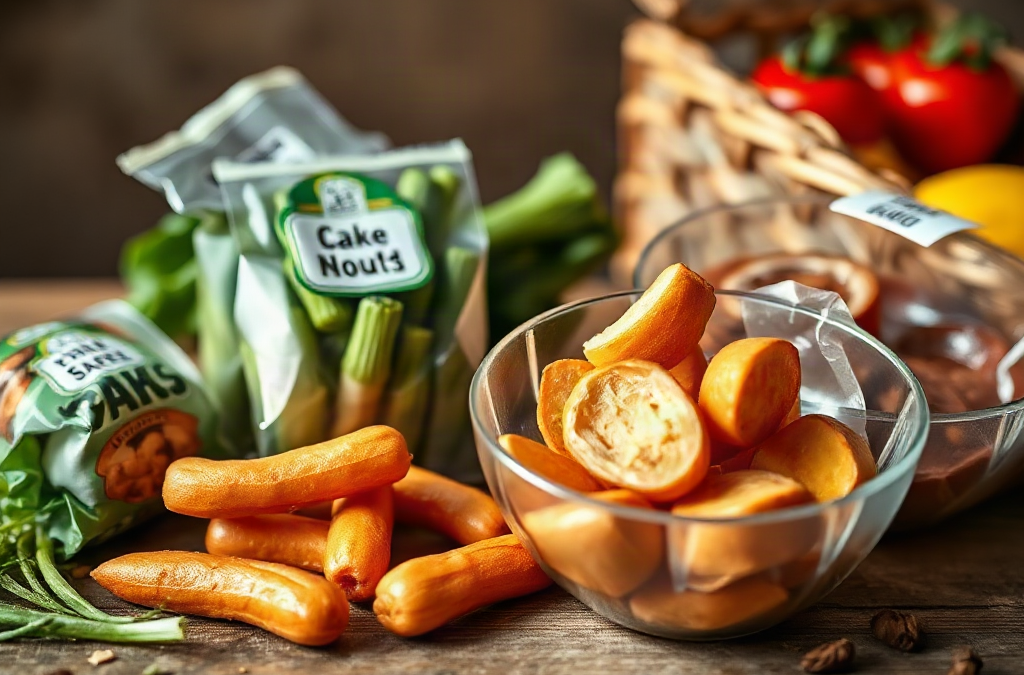
Date labels can help judge organic food spoilage only when they are read alongside storage history, package condition, and food-specific warning signs. “Best if used by” generally describes expected quality, while “use by” may reflect quality or a manufacturer’s recommended endpoint rather than a universal safety cutoff; infant formula is…
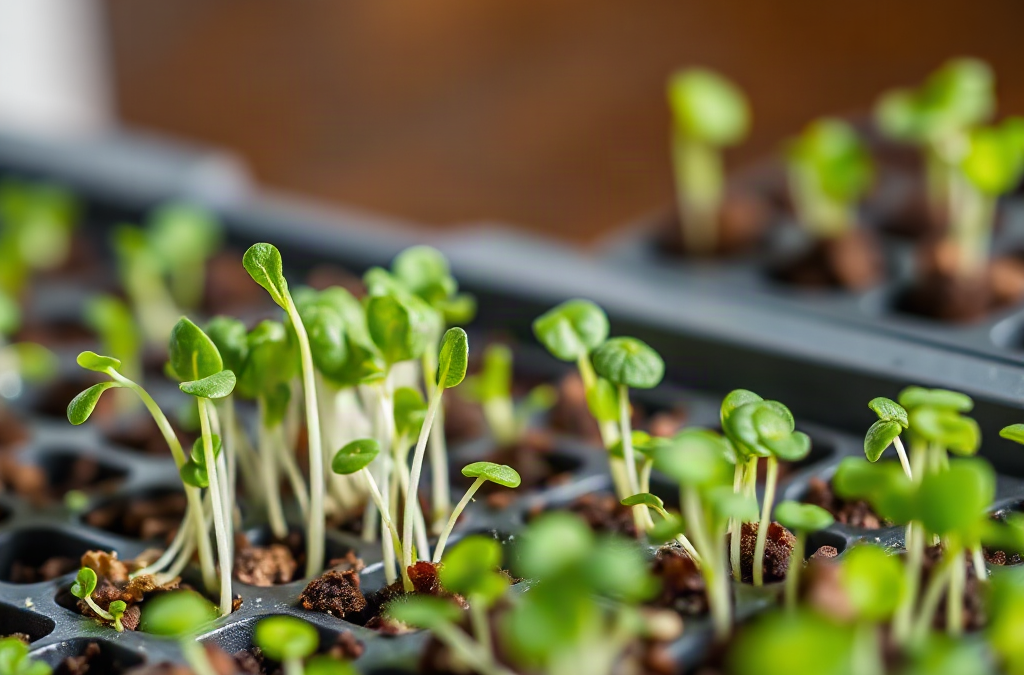
Sprouts and microgreens differ most in how they are grown, which affects both nutrition and safety: sprouts germinate in warm, humid conditions and are eaten with the seed and root, while microgreens grow in soil or another medium and are cut above it.
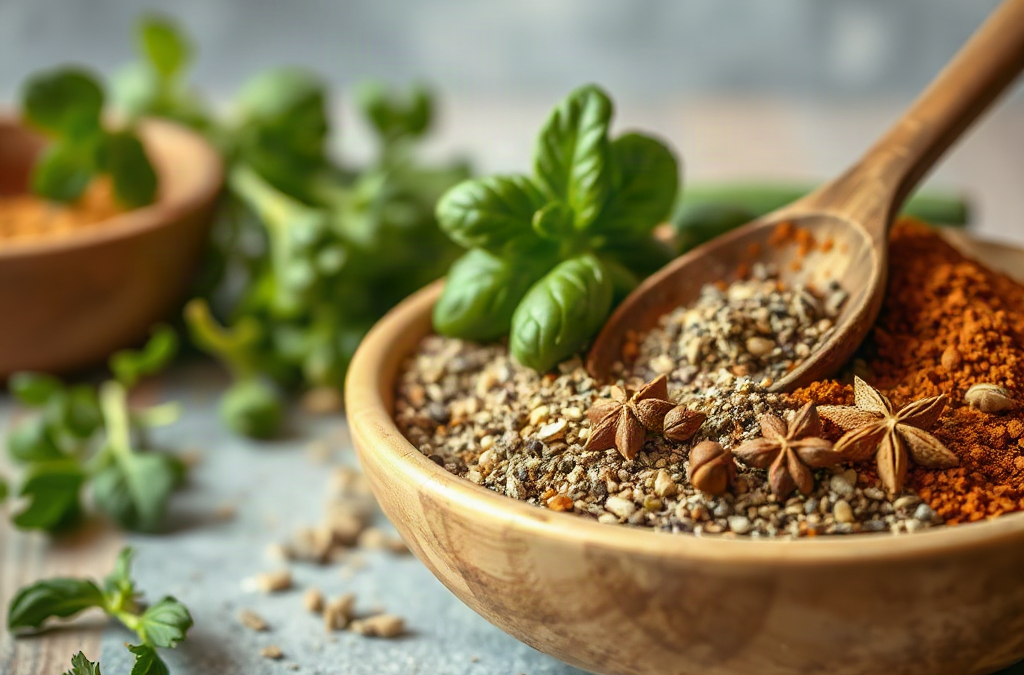
Fresh herbs and spices create nutrient-dense flavor by adding aromatic compounds, pigments, and small amounts of micronutrients without relying heavily on salt, sugar, or saturated fat. Use tender herbs such as basil and cilantro near the end of cooking, while adding sturdy herbs and whole spices earlier so heat can release their flavor.
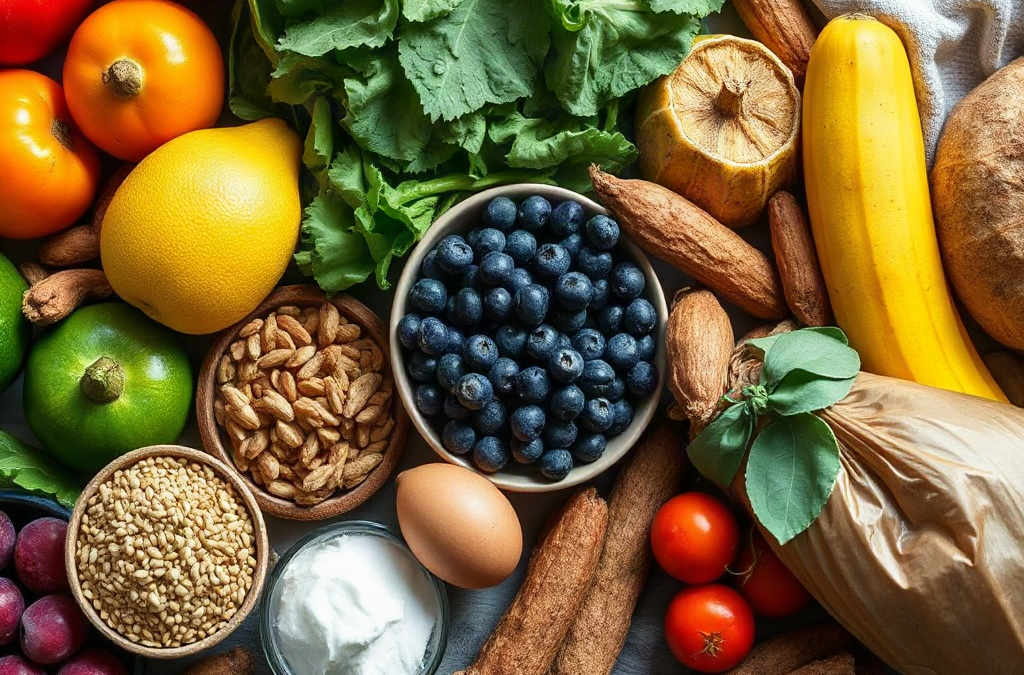
Organic foods can reduce added sugar intake when they replace sweetened staples with unsweetened fruit, vegetables, whole grains, legumes, dairy, nuts, and seeds. The organic label governs production methods, not sugar content, so flavored organic yogurt, cereal, granola, sauces, and drinks may still contain substantial added sweeteners.


