
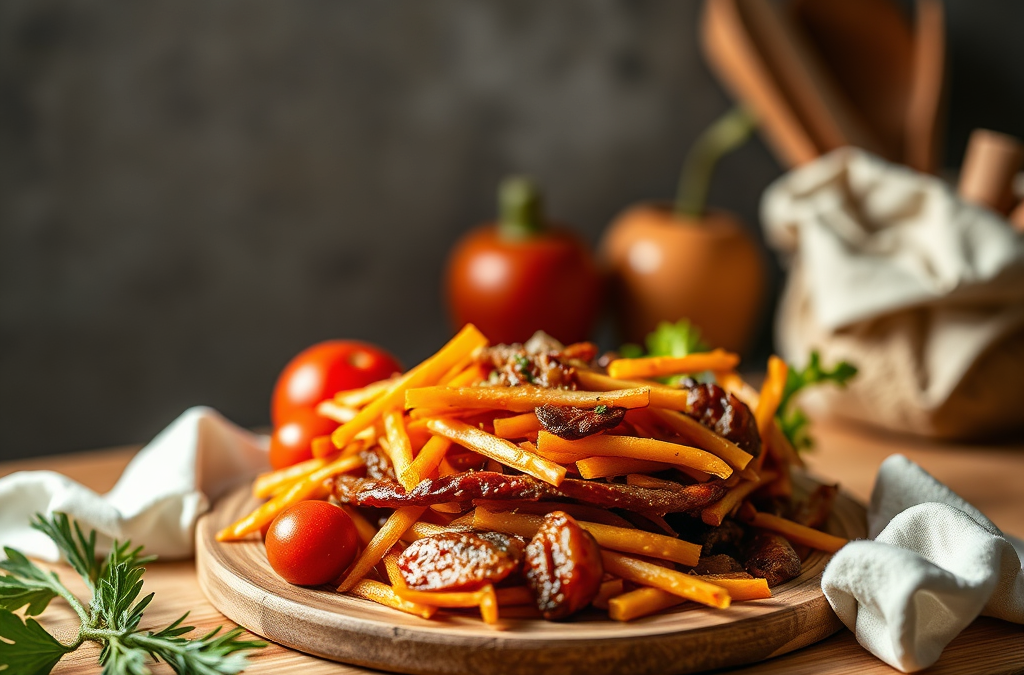
To make organic meals that kids will enjoy, focus on incorporating colorful fruits and vegetables, engaging cooking methods, and familiar flavors. Use whole grains and lean proteins to create nutritious dishes that appeal to children's tastes. Avoid overly complex recipes and focus on simple, fun presentations to encourage kids to try new foods, ensuring a positive mealtime experience.
Understanding Children’s Taste Preferences
Children’s taste preferences are often influenced by their developmental stages and exposure to various foods. Typically, kids are more sensitive to bitter flavors, which can make them hesitant to try certain vegetables. Understanding this can help parents and caregivers prepare organic meals that are more appealing. Favoring sweet, savory, and mild flavors can encourage children to explore new foods. For example, introducing carrots with a touch of honey or sweet potatoes in a casserole can make these organic options more enticing.
Moreover, children’s taste buds are still developing, making them more receptive to flavors that are familiar. When creating organic meals, consider incorporating ingredients that are already favorites, such as cheese or chicken. Gradually introducing new organic ingredients alongside well-liked foods can help ease the transition and promote acceptance of diverse flavors.

Understanding Children's Taste Preferences matters because it turns make organic meals that kids will enjoy from a broad idea into a decision the reader can actually apply. The practical difference usually shows up in the details: how much is needed, when the choice is made, what tradeoff is acceptable, and what sign shows the approach is working. For nutrition topics, the strongest advice connects portion size, food quality, timing, and recovery instead of treating every meal as a fixed serving.
A useful way to handle this section is to compare the normal baseline with the situation that creates extra demand. If organic is the baseline concern, then make becomes the adjustment point and meals becomes the outcome to watch. That keeps the advice specific without forcing the reader into a rigid formula that may not fit their routine, budget, tolerance, schedule, or current level of experience.
The most common mistake is changing too many variables at once. A better approach is to choose one measurable adjustment, use it consistently long enough to see a pattern, and then refine the next step based on energy, comfort, performance, safety, or reliability. This makes the guidance easier to trust because the reader can connect the recommendation to what they observe rather than guessing from a generic checklist.
The practical takeaway is to make the section actionable: identify the main constraint, choose the smallest useful change, and compare the result against the goal. When the outcome improves, the reader can keep the approach. When it does not, the next change should target the most likely bottleneck rather than repeating the same step with more effort.
Incorporating Organic Ingredients
Using organic ingredients is crucial for preparing healthy meals for children. Organic produce is often fresher, tastier, and free from harmful pesticides, making it a safer choice for kids. When selecting organic ingredients, look for a variety of colorful fruits and vegetables, as these are not only visually appealing but also packed with essential nutrients. Incorporating seasonal organic produce can also enhance flavor and freshness.
For example, consider using organic strawberries in smoothies or salads, as their vibrant color and sweetness can attract children. Additionally, integrating organic grains like quinoa or brown rice can provide essential nutrients and fiber. These grains can be used as a base for various dishes, making them both nutritious and filling. Lastly, organic proteins such as chicken, turkey, or legumes can be introduced in kid-friendly formats, like meatballs or tacos, to encourage consumption.
Incorporating Organic Ingredients matters because it turns make organic meals that kids will enjoy from a broad idea into a decision the reader can actually apply. The practical difference usually shows up in the details: how much is needed, when the choice is made, what tradeoff is acceptable, and what sign shows the approach is working. For nutrition topics, the strongest advice connects portion size, food quality, timing, and recovery instead of treating every meal as a fixed serving.
A useful way to handle this section is to compare the normal baseline with the situation that creates extra demand. If organic is the baseline concern, then ingredients becomes the adjustment point and meals becomes the outcome to watch. That keeps the advice specific without forcing the reader into a rigid formula that may not fit their routine, budget, tolerance, schedule, or current level of experience.
The most common mistake is changing too many variables at once. A better approach is to choose one measurable adjustment, use it consistently long enough to see a pattern, and then refine the next step based on energy, comfort, performance, safety, or reliability. This makes the guidance easier to trust because the reader can connect the recommendation to what they observe rather than guessing from a generic checklist.
The practical takeaway is to make the section actionable: identify the main constraint, choose the smallest useful change, and compare the result against the goal. When the outcome improves, the reader can keep the approach. When it does not, the next change should target the most likely bottleneck rather than repeating the same step with more effort.
Creative Cooking Techniques
Engaging cooking techniques can make the process of preparing organic meals fun and exciting for kids. Involving children in the cooking process can foster a sense of ownership and curiosity about food. Simple techniques such as baking, roasting, or grilling can enhance the flavors of organic ingredients while keeping the preparation straightforward.
For instance, roasting vegetables like bell peppers or zucchini can bring out their natural sweetness, making them more appealing to children. Additionally, using fun shapes with cookie cutters on sandwiches or fruits can spark interest and encourage kids to eat. Cooking together can also be a bonding experience, allowing parents to teach children about healthy eating habits, the importance of organic foods, and the benefits of a balanced diet.
Creative Cooking Techniques matters because it turns make organic meals that kids will enjoy from a broad idea into a decision the reader can actually apply. The practical difference usually shows up in the details: how much is needed, when the choice is made, what tradeoff is acceptable, and what sign shows the approach is working. For nutrition topics, the strongest advice connects portion size, food quality, timing, and recovery instead of treating every meal as a fixed serving.
A useful way to handle this section is to compare the normal baseline with the situation that creates extra demand. If organic is the baseline concern, then kids becomes the adjustment point and cooking becomes the outcome to watch. That keeps the advice specific without forcing the reader into a rigid formula that may not fit their routine, budget, tolerance, schedule, or current level of experience.
Fun and Engaging Meal Presentation
Presentation plays a vital role in enticing children to eat organic meals. Creative plating can transform a simple dish into an appealing masterpiece. Utilizing colorful plates, arranging food in fun shapes, or creating themed meals can enhance the overall dining experience for kids.
For instance, creating a colorful rainbow salad or arranging fruits and vegetables into animal shapes can pique children’s curiosity. Moreover, involving kids in meal presentation allows them to express their creativity, making them more likely to try the food they’ve helped prepare. Consider using dips or sauces in small containers to make the meal interactive, allowing kids to customize their plates according to their tastes.
Fun and Engaging Meal Presentation matters because it turns make organic meals that kids will enjoy from a broad idea into a decision the reader can actually apply. The practical difference usually shows up in the details: how much is needed, when the choice is made, what tradeoff is acceptable, and what sign shows the approach is working. For nutrition topics, the strongest advice connects portion size, food quality, timing, and recovery instead of treating every meal as a fixed serving.
A useful way to handle this section is to compare the normal baseline with the situation that creates extra demand. If kids is the baseline concern, then meals becomes the adjustment point and make becomes the outcome to watch. That keeps the advice specific without forcing the reader into a rigid formula that may not fit their routine, budget, tolerance, schedule, or current level of experience.
The most common mistake is changing too many variables at once. A better approach is to choose one measurable adjustment, use it consistently long enough to see a pattern, and then refine the next step based on energy, comfort, performance, safety, or reliability. This makes the guidance easier to trust because the reader can connect the recommendation to what they observe rather than guessing from a generic checklist.
Frequently Asked Questions
What are some easy organic meals for kids?
Easy organic meals for kids include quesadillas with organic cheese and veggies, smoothies with organic fruits, and whole grain pasta with tomato sauce and hidden vegetables.
How can I encourage my kids to eat more vegetables?
Encourage kids to eat more vegetables by involving them in cooking, presenting veggies in fun shapes, and pairing them with dips or sauces they enjoy.
Are organic meals more expensive?
While organic meals can be more expensive, buying in bulk, shopping at local farmers' markets, and choosing seasonal produce can help reduce costs.
What are some good organic snacks for kids?
Good organic snacks for kids include fruit slices with nut butter, organic yogurt with granola, and whole grain crackers with hummus.
How can I make meal prep easier?
Make meal prep easier by planning meals ahead, batch cooking, and involving kids in the preparation process to make it a fun activity.
Further Reading
Huge Discount on the Best Certified Organic Nutrient Dense Supplement!