Why Sweet Potato Sticks Can Improve Snack Quality
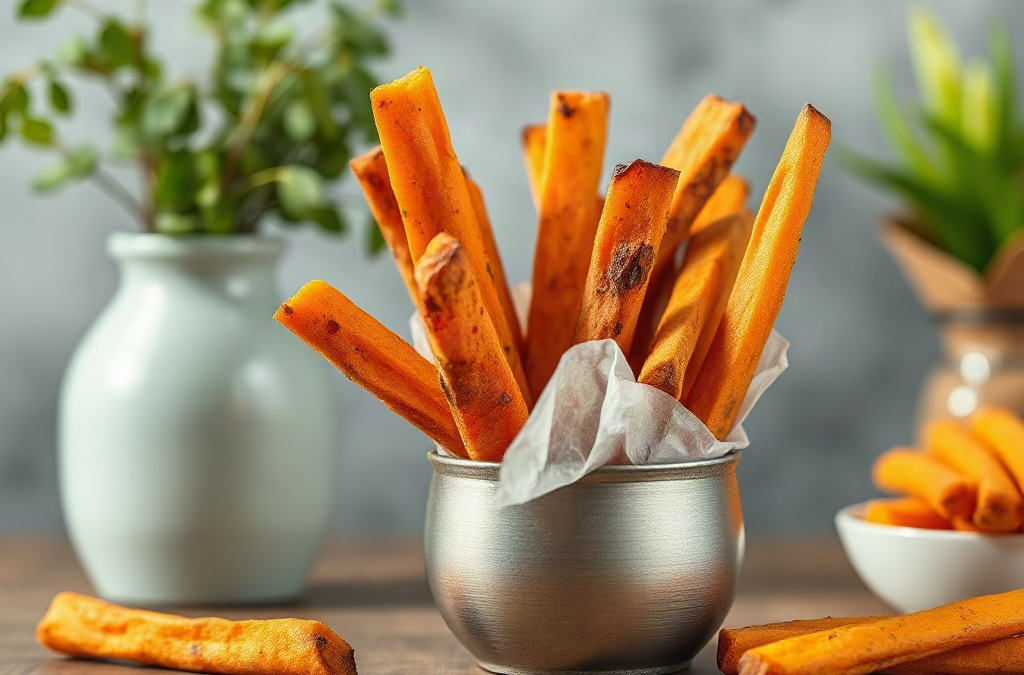
Sweet potato sticks can be a useful alternative to highly refined snack foods because the base ingredient contributes carbohydrate, fiber, potassium, and carotenoid compounds while retaining more of the original vegetable than a typical potato-flavored snack. That advantage depends on preparation. A fresh sweet potato cut into sticks and baked is nutritionally different from a packaged product made with sweet potato powder, added starch, substantial oil, or a sweet coating.
The most practical benefit is substitution, not unlimited eating. Replacing a candy bar or a large portion of fried chips with a measured serving of roasted sweet potato may increase the food’s vegetable contribution and reduce reliance on added sugar. It does not make the snack calorie-free. Oil concentrates energy, and crisp textures can encourage quick, distracted eating. A small plate or bowl is more useful than eating directly from a bag.
Skin-on sticks may retain extra fiber and add texture when the produce is scrubbed well, but peeling is reasonable when the skin is damaged or the texture is unappealing. The orange color reflects carotenoids, although color alone does not predict the total nutritional value of a product. Pairing also changes the eating experience: sticks served with hummus or plain yogurt are generally more substantial than sticks eaten alone because the accompanying food adds protein, fat, or additional fiber.
A common misconception is that the word organic guarantees a healthier finished snack. Organic standards concern how agricultural ingredients are produced and handled under the applicable certification system; they do not remove the need to inspect sodium, sweeteners, oil, serving size, or cooking method. Treat organic status as one purchasing preference, then evaluate the complete ingredient and nutrition information.
Choosing Organic Sticks And Reading The Package
Choosing a better packaged product starts with the ingredient list rather than the front label. Look for sweet potato or sweet potatoes near the beginning, followed by a short, recognizable list of oil, salt, and seasonings. Products containing added sugar, syrup, sweet glaze, or several forms of starch may taste appealing but function more like a processed snack than a simple vegetable side.
Compare serving sizes before comparing calories or sodium. One brand may list a serving by weight while another uses a cup measure, and a small stated portion may not match what a person actually eats. If the label provides a percentage daily value for sodium, use it as a comparison tool rather than assuming a single snack is automatically excessive or appropriate. People with hypertension, kidney disease, or a sodium-restricted diet should follow individualized clinical advice.
Texture is another decision point. Thin, heavily fried sticks may be crisp but can carry more oil than thicker oven-baked pieces. Dehydrated sticks may have a concentrated flavor and long shelf life, yet their compact size makes it easy to consume more than intended. Freshly prepared sticks take more time and require refrigeration for leftovers, but they allow control over the oil and salt.
For shopping, a useful checklist is short:
- Check whether the first ingredient is actually sweet potato.
- Look for added sugar, sweet coatings, and unusually long seasoning lists.
- Compare serving size, sodium, and added fat across similar products.
- Choose a package size that suits the way it will be eaten.
The mistake to avoid is treating a certification seal as a substitute for label reading. An organic snack can still be salty, oily, or easy to overconsume. Readers comparing options on Healthier snacking with organic sweet potato sticks should decide first whether the priority is fewer additives, lower sodium, a portable format, or control over preparation; no single product wins every category.
Baking, Air-Frying, And Portioning For Better Results
Preparation determines whether sweet potato sticks become a balanced snack or simply another fried food. For home cooking, cut sticks to a similar thickness, rinse or soak them briefly if desired, and dry them thoroughly before seasoning. Moisture prevents browning and encourages steaming, while crowded trays produce soft pieces instead of a crisp surface. A light coating of oil is usually enough to promote browning without saturating the pieces.
Spread the sticks in one layer on a suitable baking tray and turn them during cooking so heat reaches more than one side. Exact cooking time depends on thickness, oven behavior, and water content, so visual cues matter: the edges should brown lightly and the center should be tender. Air-frying can create a crisp exterior with less added oil, but small baskets still need room for air circulation. Cooking in batches may produce a better texture than filling the basket to capacity.
Seasoning after cooking can help control salt because the crisp surface accepts a small amount well. Smoked paprika, cinnamon without sugar, black pepper, garlic, or a squeeze of lime can add contrast, although people with reflux or other sensitivities may prefer milder choices. Avoid assuming that a very dark, bitter surface means greater crispness; excessive browning is a sign to adjust heat, thickness, or cooking time.
Portioning should happen before the first bite. A practical starting point is a small bowl or plate alongside a dip, rather than an open tray placed within reach. A snack that leaves someone hungry after twenty minutes may need more protein or fiber, not simply a larger pile of sticks. Conversely, if the snack is eaten close to a meal, a modest serving may be enough.
Fresh sticks and packaged sticks serve different needs. Homemade versions offer ingredient control but require cutting, cooking, and safe storage of leftovers. Packaged versions offer convenience for work or travel but require more scrutiny of oil, salt, and serving size. Both can fit a nutritious eating pattern when the choice matches the situation.
Pairings That Make A Crunchy Snack More Satisfying
Pairing sweet potato sticks with another food can slow eating and make the snack more filling. The reason is straightforward: sweet potato supplies mostly carbohydrate, while a companion such as hummus, beans, yogurt, nuts, or seeds contributes protein, fat, fiber, or a combination of these. The result is not guaranteed to change blood glucose in the same way for every person, but a mixed snack may be more satisfying than a carbohydrate-only portion.
For a savory option, serve roasted sticks with hummus and sliced cucumber. Hummus brings chickpeas and tahini, while cucumber adds water and crunch without turning the snack into a second starchy serving. Plain Greek-style yogurt mixed with herbs offers a higher-protein dip; people avoiding dairy can use a bean-based spread or unsweetened soy yogurt, checking the label for added sugar and sodium.
A sweet-leaning combination can use cinnamon-seasoned sticks with unsweetened nut butter, but portion the butter because its energy density is high. A small handful of nuts can work similarly. The better choice depends on what the rest of the day lacks. Someone who has already eaten substantial fat may prefer a yogurt or bean dip, while someone needing a portable snack may value nuts for convenience.
Children and adults may respond differently to texture and portion cues. For a child, place a few sticks with a familiar dip and another accepted food rather than presenting a large serving as a test of appetite. For an adult eating between meetings, a sealed portion plus a dip cup can prevent the common pattern of finishing an entire bag while distracted.
Pairing does not turn an indulgent preparation into a health food. Sweetened dip, cheese-heavy toppings, or a large amount of oil can shift the snack’s nutritional balance. The useful question is whether the combination provides enough satisfaction for the next eating occasion without adding ingredients that conflict with personal dietary needs. A related snack pairing choice should be judged by hunger, timing, and the full ingredient list.
Common Mistakes And Practical Snack Decisions
The most frequent mistake is confusing a vegetable ingredient with an automatically low-calorie product. Sweet potato sticks absorb or carry oil, and packaged varieties may be fried before reaching the shelf. A second mistake is ignoring the rest of the snack: eating sticks with a sugary drink or sweet dip can add rapidly consumed calories without much satiety. The third is allowing “organic” or “no artificial ingredients” language to replace attention to sodium and serving size.
Use the snack’s setting to choose the format. At home, baking a tray gives control and can turn surplus sweet potatoes into a planned snack, but leftovers should be cooled promptly and refrigerated rather than left at room temperature for extended periods. At work, a measured package and a protein-rich accompaniment are easier than carrying a tray of loose pieces. Before exercise, a smaller carbohydrate-focused serving may suit some people; after exercise, adding a protein source may be more satisfying. Individual tolerance, activity, and medical guidance still matter.
Signs the approach is working include eating the planned amount, feeling satisfied until the next meal, and enjoying the snack without needing repeated handfuls. Signs it needs adjustment include persistent hunger, frequent second servings, digestive discomfort from a particular dip, or a label that reveals far more sodium or added sugar than expected. Change one variable at a time: reduce the portion, switch the dip, use less oil, or choose a less processed product.
People managing diabetes, kidney disease, food allergies, or a medically prescribed diet should adapt ingredients and portions with a qualified clinician or dietitian. Sweet potatoes are nutritious, but they still contribute carbohydrate and potassium, and seasonings or dips may introduce allergens or sodium. The most realistic goal is not to make every snack perfect; it is to create a repeatable choice that fits the person’s health needs, budget, time, and appetite.
For more ideas tailored to everyday eating, explore organic sweet potato snack combinations while keeping the same priorities: a clear portion, a simple ingredient list, and a pairing that matches the occasion.
Readers can consult USDA FoodData Central for nutrient information on sweet potatoes and packaged products, and review guidance from the U.S. Food and Drug Administration on reading the Nutrition Facts label. These resources are useful for comparing serving sizes, sodium, added sugars, and preparation choices without relying only on front-of-package claims.
Frequently Asked Questions
Are organic sweet potato sticks automatically healthier?
No. Organic certification does not automatically mean lower calories, sodium, sugar, or oil. Read the ingredient list and Nutrition Facts panel.
What is the healthiest way to cook sweet potato sticks?
Baking or air-frying with a modest amount of oil can provide crispness while giving you more control than deep-frying. Avoid overcrowding the tray or basket.
What should I eat with sweet potato sticks?
Try hummus, plain yogurt dip, beans, nuts, seeds, or fresh vegetables. These pairings can add protein, fiber, or fat and may make the snack more satisfying.
Do sweet potato sticks count as a vegetable serving?
Fresh, minimally processed sticks contribute sweet potato as a vegetable, but the amount depends on the portion. A fried or heavily seasoned packaged snack should not be judged by the vegetable ingredient alone.
Can people with diabetes eat sweet potato sticks?
They may fit some eating plans, but sweet potatoes still provide carbohydrate. Portion size, preparation, pairing, and personal medical guidance should determine the choice.
Conclusion
Better snacking with organic sweet potato sticks comes from the complete choice, not the organic label alone. Start with a product or recipe centered on sweet potato, keep added oil and salt measured, and portion the sticks before eating. Add hummus, yogurt, beans, nuts, or another suitable companion when you need a snack that lasts longer than a carbohydrate-only bite. Homemade baking offers ingredient control, while packaged sticks can be practical when the label passes a careful check. Watch for added sugar, oversized servings, heavy frying, and dips that quietly change the balance. If a medical condition affects carbohydrate, potassium, sodium, or allergen choices, personalize the snack with professional guidance. A simple, repeatable portion matched to hunger and timing is the most useful standard.
Huge Discount on the Best Certified Organic Nutrient Dense Supplement!