Organic moringa powder uses and safety depend on treating it as a concentrated food ingredient rather than a risk-free cure or substitute for medical care. It can be stirred into smoothies, yogurt, soups, sauces, or grain dishes, but its bitter flavor and concentrated plant compounds make small portions the practical starting point. Product quality matters: inspect the ingredient panel, organic certification details, lot information, packaging, and storage instructions. People who are pregnant, breastfeeding, preparing for surgery, managing diabetes or blood pressure, or taking prescription medicines should ask a clinician or pharmacist before regular use because interactions and product variability are possible.
What Moringa Powder Adds to Everyday Foods
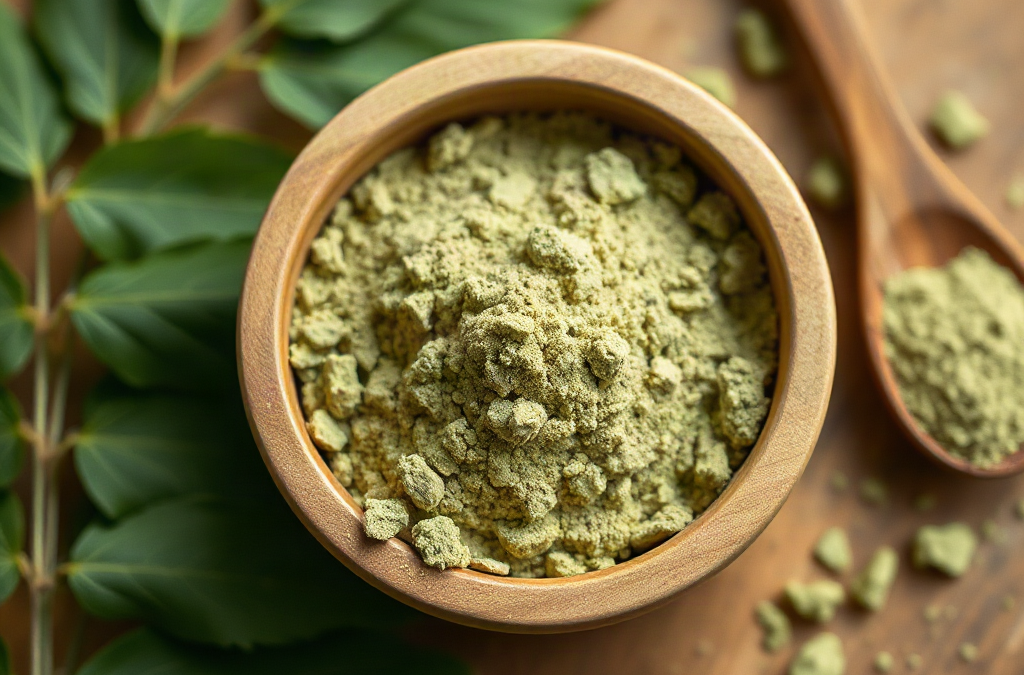
Moringa powder is made from dried moringa leaves, usually from Moringa oleifera. As a culinary ingredient, it offers a concentrated green flavor and contributes nutrients such as fiber, carotenoids, vitamin K, calcium, and plant compounds. The exact nutritional profile varies with the leaves, drying method, milling, age, and serving size, so a package label should be treated as a product-specific reference rather than a universal description of all moringa powders.
The most realistic use is to add a modest amount to foods that already provide protein, fat, carbohydrates, and fluid. A smoothie with plain yogurt, berries, oats, and a small spoonful of moringa is more nutritionally balanced than a drink made mostly from powder. It can also be mixed into hummus, lentil soup, tomato sauce, scrambled eggs, or a grain bowl after cooking. Stirring it into a strongly flavored dish can make the bitterness less noticeable than adding it to plain water.

Moringa should not be treated as a replacement for vegetables, a complete multivitamin, or a treatment for a disease. Claims about blood sugar, blood pressure, inflammation, weight loss, or infection often extend beyond what can be confidently concluded from human evidence. A useful comparison is spinach powder versus fresh spinach: the powder is convenient and shelf-stable, but it is easier to consume a concentrated amount while missing the water, volume, and variety supplied by whole vegetables.
Practical signs that a food use is working are simple: the flavor remains acceptable, digestion is comfortable, and the ingredient fits a varied eating pattern. If a recipe becomes bitter enough that it discourages nutritious foods, the powder is not adding practical value. Readers researching Organic moringa powder uses and safety should prioritize its role as an optional ingredient, not its most ambitious marketing claim.
How to Choose and Store a Safer Product
Organic labeling addresses how an agricultural product was produced; it does not automatically guarantee that every finished powder is free from contamination, accurate in strength, or appropriate for every person. Look for a clear ingredient list that names moringa leaf powder without undisclosed blends, along with the producer’s contact information, lot or batch identification, expiration or best-by information, and storage directions. A credible certification mark should be traceable to an actual certifier rather than presented as an unexplained logo.
Quality problems can arise during harvesting, drying, processing, transport, or storage. Plant powders may be exposed to moisture, foreign material, microbes, or heavy metals depending on the growing environment and manufacturing controls. Consumers usually cannot verify these issues by taste or color alone. A certificate of analysis from the seller or manufacturer can provide useful information when it identifies the tested lot and explains the methods and limits, although the absence of a posted report is not by itself proof that a product is unsafe.
Packaging gives practical clues. An intact, well-sealed container is preferable to a bag with a damaged closure or visible condensation. Store the powder in a cool, dry, dark place and use a clean, dry spoon. Do not keep it beside a steaming kettle or over a stove, where repeated heat and humidity can encourage clumping and quality loss. Refrigeration is not automatically necessary and can create condensation when a cold container is opened in a humid kitchen.
Compare a plain powder with a “detox” blend before buying. A blend may include herbs that have different safety considerations, while a single-ingredient product makes it easier to identify what caused a reaction. Avoid assuming that a higher price, vivid green color, or “raw” wording proves superior nutrition. If the smell is musty, the powder is damp, the seal is broken, or the contents show unusual discoloration, discard it rather than trying to rescue it by cooking.
Portions, Preparation, and Common Mistakes
A cautious approach is to begin with the smallest serving suggested on the label, particularly when the product is new to you. There is no universally established therapeutic dose for general wellness use, and more is not automatically more useful. Moringa’s dense flavor and fiber can make a large first serving unpleasant even when the product itself is genuine. Mixing a small amount into a full meal also makes it easier to judge tolerance than swallowing a concentrated spoonful on an empty stomach.
Useful applications include blending it with banana, berries, kefir, or unsweetened yogurt; whisking it into a bean spread; folding it into a cooked grain dish; or adding it to soup after removing the pot from direct heat. Heat may alter some compounds, but cooking is not a reliable way to eliminate every contamination concern, and it does not turn an unsuitable product into a safe one. Flavor matters too: citrus, garlic, ginger, herbs, and creamy ingredients can balance the leafy bitterness without requiring extra sugar.
A common mistake is to copy a serving from a social-media recipe without checking the product label or the rest of the meal. Another is to use moringa powder as a reason to skip breakfast, vegetables, or prescribed treatment. A third is to change several supplements at once; if nausea, loose stools, rash, dizziness, or another symptom appears, identifying the cause becomes difficult.
A simple trial can be more informative than an aggressive routine. Add one small amount to a familiar meal, keep the rest of your diet stable, and note digestive symptoms or unusual effects over the next day. Stop if symptoms appear and do not restart merely to “push through” them. People with sensitive digestion may prefer using it occasionally in food instead of taking it daily, while those seeking a specific clinical effect should discuss evidence and alternatives with a qualified professional.
Who Should Use Extra Caution
Moringa powder deserves individualized advice when a person has a medical condition, takes medication, or has a life stage that changes supplement safety. Preliminary research has explored possible effects on blood glucose and blood pressure, but that does not establish a dependable treatment dose. Combining concentrated moringa with diabetes or blood-pressure medicine could make monitoring more complicated or contribute to readings that are lower than expected in some people.
Pregnant people should avoid self-prescribing moringa products, especially preparations that contain roots, bark, extracts, or mixed herbs. Leaf powder is not automatically interchangeable with other parts of the plant, and “natural” does not settle pregnancy safety. Breastfeeding, childhood use, liver or kidney disease, upcoming surgery, and a history of food or plant allergies are also reasons to ask a clinician before regular use.
Medication review is particularly important when a product is promoted for a pharmacologic-sounding purpose. A pharmacist can examine the complete list, including anticoagulants, diabetes medicines, blood-pressure drugs, thyroid treatment, and other supplements. The question is not simply whether moringa is “safe”; it is whether this product, in this amount, fits the person’s health conditions and treatment plan.
Food use and supplement-style use are not identical. A small amount dispersed through a meal may create less exposure than a concentrated capsule or extract, but it should not be assumed risk-free. Keep the package available when asking for advice so the professional can see the ingredients, serving size, manufacturer, and lot details. Readers can also review the site’s Organic moringa powder uses and safety information alongside advice specific to their medication list.
When to Stop and Seek Advice
Stop using moringa powder if it causes repeated gastrointestinal distress, hives, swelling, wheezing, faintness, unusual bleeding, or symptoms that coincide with a medication change. Breathing difficulty, facial or throat swelling, severe dizziness, or signs of a serious allergic reaction require urgent medical attention. Mild bitterness is a normal sensory feature; swelling, breathing problems, or persistent illness is not a normal adjustment period.
Contact a healthcare professional when symptoms continue after stopping, when a product has been recalled or appears contaminated, or when use is intended to manage a diagnosed condition. A clinician may need the brand, amount, start date, other supplements, and a description of symptoms. Do not compensate for a suspected interaction by changing prescribed medicine without medical direction.
Keep expectations measurable and modest. If the goal is more leafy-green intake, success might mean adding a tolerable amount to lentil soup once or twice a week. If the goal is a blood-sugar or blood-pressure change, home readings should not be interpreted as proof that moringa caused the result; meals, hydration, activity, stress, and medication all influence those measures. A food diary and professional review are more reliable than escalating the powder.
The priority order is straightforward: choose a traceable single-ingredient product, use a small labeled serving in real food, store it correctly, and check for medication or life-stage concerns before making it routine. That approach leaves room for convenience without turning an optional ingredient into an unmonitored therapy.
Frequently Asked Questions
What is the easiest way to use organic moringa powder?
Mix a small label-directed amount into a smoothie, yogurt, hummus, soup, sauce, or grain dish. Strong flavors can balance its bitterness.
Can moringa powder replace vegetables?
No. It can add a concentrated leaf ingredient, but whole vegetables provide volume, water, dietary variety, and nutrients that powder alone does not replicate.
Is organic moringa powder safe during pregnancy?
Do not assume it is safe. Ask an obstetric clinician before using moringa, especially products containing extracts or parts of the plant other than leaves.
Can moringa interact with medication?
Possible effects on blood sugar or blood pressure make a medication review sensible, particularly with diabetes or blood-pressure treatment. A pharmacist can assess the specific product.
How should moringa powder be stored?
Keep it sealed in a cool, dry, dark place, use a dry utensil, and discard it if it becomes damp, musty, unusually discolored, or contaminated.
Conclusion
Moringa powder is most practical when used as a small, optional addition to balanced foods rather than as a cure, detox product, or substitute for treatment. Product traceability matters more than bright color or aggressive claims: check the ingredient list, certification information, lot details, seal, and storage instructions. Introduce it gradually in a meal, watch for digestive or allergic reactions, and avoid escalating the amount when a hoped-for health effect does not appear. Pregnancy, breastfeeding, childhood use, surgery, chronic disease, and prescription medicines call for professional advice before regular use. A sensible next step is to choose a plain product from a transparent seller, test a modest serving, and keep whole vegetables and established medical care at the center of the plan.
Huge Discount on the Best Certified Organic Nutrient Dense Supplement!