
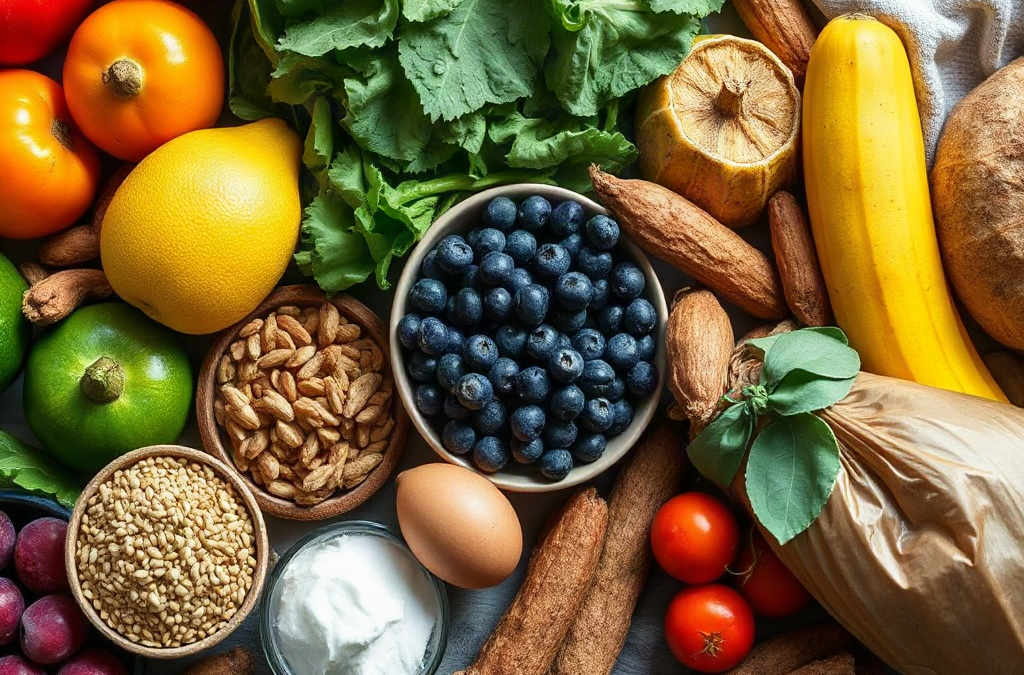
Organic foods can reduce added sugar intake when they replace sweetened staples with unsweetened fruit, vegetables, whole grains, legumes, dairy, nuts, and seeds. The organic label governs production methods, not sugar content, so flavored organic yogurt, cereal, granola, sauces, and drinks may still contain substantial added sweeteners. Check the Nutrition Facts panel for added sugars, compare similar products by serving size, and review ingredient lists for syrups, cane sugar, honey, and fruit-juice concentrates. The most effective swaps preserve convenience and flavor—for example, plain yogurt with berries instead of presweetened yogurt—while gradually adjusting sweetness expectations rather than relying on organic packaging alone.
What the Organic Label Does—and Does Not—Say About Sugar
Certified organic products must meet production and handling requirements, but certification does not make a food unsweetened. An organic cookie may be made with organic flour and organic cane sugar while delivering a sweetness profile similar to that of a conventional cookie. Organic chocolate milk, fruit snacks, granola, bottled tea, and breakfast bars can likewise contain added sugars. Treat organic status and added sugar as two separate purchasing decisions.
The Nutrition Facts panel distinguishes total sugars from added sugars. Total sugars include those naturally present in foods such as plain milk and whole fruit, while the added-sugars line identifies sweeteners introduced during processing or preparation. That distinction matters when comparing plain organic yogurt with a flavored version. Both contain naturally occurring lactose, but the flavored cup may also contain cane sugar, syrup, or another sweetener.

Whole organic fruit is different from products sweetened with concentrated fruit ingredients. An apple provides water, fiber, and an intact food structure that slows eating and promotes fullness. Apple juice concentrate used as a sweetener is more concentrated and lacks the same intact structure. A package saying “made with organic fruit” therefore does not answer whether sweetener was added or whether the product resembles whole fruit nutritionally.
Ingredient language can create a health halo. Organic cane sugar, brown rice syrup, maple syrup, honey, agave, and date syrup are still added sugars when incorporated as sweeteners. Their flavors and processing differ, but choosing one instead of another does not remove added sugar from the product. “Unrefined,” “natural,” and “no high-fructose corn syrup” also do not mean sugar-free.
A better shopping sequence is to decide what type of food you need, check the added-sugars line, inspect the first several ingredients, and then consider organic certification. Readers exploring Organic foods for reducing added sugar intake should prioritize minimally sweetened staples rather than assuming every product in the organic aisle supports that goal. The common failure is paying more for organic sweeteners while leaving the overall sweetness of the diet unchanged.
Nine Organic Swaps That Lower Added Sugar
Useful swaps replace a familiar food with an option that performs the same job. Removing a sweetened item without replacing its convenience, texture, or flavor often leads people back to it. The following substitutions use organic products where available, but the decisive feature is that the replacement is unsweetened or lower in added sugar.
- Flavored yogurt to plain yogurt with fruit: Combine plain organic yogurt with berries, sliced pear, cinnamon, or unsweetened applesauce. This retains protein and creaminess while letting whole fruit provide sweetness.
- Sweetened cereal to oats: Cook organic rolled oats with milk or an unsweetened alternative, then add banana, nuts, and spice. For rushed mornings, prepare overnight oats without syrup.
- Granola to toasted nuts and seeds: Granola often contains syrup or sugar to create clusters. Organic walnuts, pumpkin seeds, and unsweetened coconut add crunch without requiring a sweet coating.
- Sweetened plant milk to an unsweetened version: Compare both the added-sugars line and nutrient profile. Plant beverages vary in protein and fortification, so lower sugar should not be the only criterion.
- Bottled tea to home-brewed tea: Brew organic black, green, or herbal tea and chill it with citrus or mint. This keeps the beverage format while giving you control over sweetening.
- Sweet sauces to savory seasonings: Replace sugary glazes with organic tomato paste, herbs, garlic, vinegar, mustard, or spices. Check mustard and tomato products because formulations differ.
- Fruit snacks to whole or frozen fruit: Organic grapes, oranges, berries, and mango provide sweetness in an intact or minimally processed form. Unsweetened frozen fruit is useful when fresh produce is expensive or spoils quickly.
- Sweetened nut butter to unsweetened nut butter: Look for a short ingredient list containing nuts and, optionally, salt. Pair it with apple slices or whole-grain toast instead of jam-heavy combinations.
- Dessert bars to a planned dessert portion: A lower-sugar pattern does not require every sweet food to disappear. A deliberate portion of a favorite dessert may be more satisfying than several “healthy” organic snack bars eaten without checking their added sugars.
Start with the product eaten most frequently, not the item with the most dramatic label. Replacing a daily sweetened drink generally changes routine more than changing an occasional birthday dessert. If plain yogurt or oatmeal tastes too tart at first, mix the sweetened and unsweetened versions, then reduce the sweetened share over several purchases. The approach is slower than an abrupt ban but may be easier to maintain.
How to Compare Labels Without Being Misled
Label comparison works only when the products and serving sizes are genuinely comparable. Two cereals may display different added-sugar amounts partly because one lists a smaller serving. Compare the same quantity when possible, then consider how much you actually eat. A low number per serving is not especially useful if a normal bowl contains twice the stated portion.
Begin with the “Includes Added Sugars” line rather than trying to estimate sugar from the front of the package. Next, scan the ingredient list. Ingredients appear in descending order by weight, although several different sweeteners can appear separately. Cane sugar, tapioca syrup, honey, molasses, glucose, maple syrup, and concentrated fruit juice may all contribute sweetness even when no single one appears first.
Claims require careful interpretation. “No added sugar” generally indicates that sugars were not added during processing, but the product may still contain naturally occurring sugars. “Reduced sugar” is a comparison with a reference product, not a promise that the resulting food is low in sugar. “Unsweetened” is often the clearest starting point for yogurt, applesauce, nut butter, tea, cocoa, plant beverages, and frozen fruit, though the full label still deserves review.
Consider what replaces sugar as well. A lower-sugar cereal made mostly from refined starch may be less filling than plain oats with nuts. A sugar-free dessert can preserve a strong preference for very sweet flavors, and some sugar substitutes may not suit everyone’s taste or digestion. The goal is not to chase the lowest possible number while ignoring protein, fiber, portions, and the role of the food in a meal.
Use this compact check before buying:
- Match the product: Compare plain yogurt with plain yogurt, not yogurt with a dessert cup.
- Normalize the serving: Account for different listed portions.
- Read both label areas: Review added sugars and the ingredient list.
- Check the whole formulation: Notice fiber, protein, sodium, and whether the food is primarily refined starch.
- Choose a realistic format: The product must fit your cooking time and eating routine.
The typical mistake is replacing conventional candy or cereal with an organic version that uses organic cane sugar and then expecting a meaningful reduction. A sound Organic foods for reducing added sugar intake comparison keeps certification in view without allowing it to override the nutrition information.
Building Lower-Sugar Meals That Still Feel Satisfying
Meals built around protein, fiber-rich carbohydrates, and fats tend to be more substantial than meals centered on sweetened refined products. That does not make sugar uniquely responsible for hunger, but it explains why simply removing syrup from a thin breakfast may leave the meal unsatisfying. The replacement needs enough food and texture to work as a meal.
For breakfast, plain organic yogurt with oats, berries, and walnuts offers creaminess, chew, and crunch. Another option is eggs with vegetables and whole-grain toast. At lunch, an organic lentil bowl with greens, roasted vegetables, olive oil, and vinegar avoids the added sugars that can enter through bottled dressings. Dinner might combine beans or poultry, brown rice, and vegetables seasoned with herbs, citrus, or a carefully selected sauce.
Snacks deserve the same structural thinking. A piece of fruit may be enough for light hunger; fruit paired with nuts, cheese, or plain yogurt may hold up better when the next meal is several hours away. Organic dates and dried fruit can be convenient, but they are concentrated and easy to eat quickly. Choose unsweetened versions, use a deliberate portion, and remember that “no added sugar” does not make concentrated fruit equivalent to fresh fruit in volume.
Flavor adjustment is often the hidden constraint. Someone accustomed to sweet coffee, flavored yogurt, and dessert-like cereal may find unsweetened replacements flat. Acidity, vanilla, cinnamon, cocoa, toasted nuts, citrus zest, and ripe fruit can add complexity without imitating intense sweetness. Gradual reduction may also be more practical: use less sweetener in coffee each week or blend plain and flavored yogurt until the plain version becomes familiar.
Do not force organic versions of every ingredient if that makes the plan unaffordable. A conventional unsweetened staple usually aligns better with reducing added sugar than an organic product with multiple sweeteners. Organic selection may reflect production preferences, but it should complement—not displace—the nutritional objective. Lowering added sugar may support a balanced eating pattern, but it is not a treatment for diabetes or another medical condition. People managing blood glucose, medication, allergies, or restrictive diets should seek individualized advice from a qualified clinician or registered dietitian.
Budget, Convenience, and Signs Your Plan Is Working
A workable plan concentrates spending on foods that will actually be eaten. Organic frozen berries, store-brand oats, canned beans, carrots, cabbage, plain yogurt, and peanut butter can be more economical than single-serve bars, bottled smoothies, or specialty desserts. Unit prices reveal whether a family-size staple is truly cheaper, while freezer-friendly products reduce losses from spoilage.
Convenience also determines whether a swap survives a busy week. Keep unsweetened oatmeal packets at work, portion nuts into reusable containers, freeze ripe bananas, and prepare tea in a pitcher. If a household relies on packaged breakfasts, finding one acceptable lower-sugar cereal may be more effective than planning a cooked breakfast that no one has time to make. The best immediate option is the one that reduces added sugar without creating an unrealistic labor burden.
Progress appears in purchasing and eating patterns rather than perfection. Signs the approach is working include buying sweetened drinks less often, using plain dairy or unsweetened alternatives routinely, finding ripe fruit satisfying, and needing less syrup or sugar to enjoy familiar foods. A grocery receipt containing fewer sweetened everyday products is often more informative than whether an occasional dessert remains.
Failure signals are equally practical. Constant cravings after undersized meals may indicate that too much food—not merely sugar—was removed. Repeatedly buying expensive organic snack products with several sweeteners suggests the front label is still driving decisions. Feeling deprived and then eating large amounts of sweets may mean the plan is too rigid. In those cases, restore adequate meals, keep a planned dessert if desired, and focus on high-frequency sources such as beverages, breakfast products, condiments, and snacks.
A seven-day pantry check can reveal those sources. Record each food with added sugar, how often it is used, and whether an unsweetened replacement is acceptable. Change the top one or two recurring items first. Readers comparing Organic foods for reducing added sugar intake will get more value from this frequency-based method than from replacing every product at once.
Frequently Asked Questions
Does Organic Food Automatically Contain Less Added Sugar?
No. Organic certification addresses production and handling standards, not the amount of sweetener. Check the added-sugars line and ingredient list on every packaged product.
Is Organic Cane Sugar Better for Reducing Sugar Intake?
Organic cane sugar remains an added sugar. Its organic status does not reduce the amount consumed, so frequency and portion still matter.
Which Organic Product Is the Best First Swap?
Replace the sweetened product you consume most often. For many people, that is a beverage, flavored yogurt, breakfast cereal, or coffee sweetener.
Do Sugars in Whole Organic Fruit Count as Added Sugars?
No. Sugar naturally present in intact fruit is not added sugar. Syrups and concentrated fruit ingredients used to sweeten processed foods may count as added sugars.
Are Sugar-Free Organic Products Always the Better Choice?
Not necessarily. Compare the complete formulation, including fiber, protein, sodium, refined starches, serving size, and any sweeteners that may affect taste or digestion.
Conclusion
Use organic certification to express production preferences, and use the Nutrition Facts panel to manage added sugar; the two labels answer different questions. Begin with frequent sources such as sweetened drinks, breakfast products, yogurt, sauces, and snack bars. Replace them with plain or unsweetened staples that still provide enough flavor, protein, fiber, and convenience to fit daily life.
At the next grocery trip, compare one commonly purchased product across equal serving sizes, review both added sugars and ingredients, and select a replacement the household will realistically use. If the change creates persistent hunger, raises costs sharply, or leads to compensatory snacking, revise the meal rather than imposing stricter rules. Sustainable progress comes from repeatable purchases and gradually less-sweet defaults, not from assuming an organic sweetener is nutritionally absent.
Huge Discount on the Best Certified Organic Nutrient Dense Supplement!

Related Content
- Best Organic Immune Support in Belton South Carolina
- Common Pitfalls When Adopting Whole Food Nutrition: Mistakes, Misconceptions, and Practical Solutions
- Can Organic Diets Help Manage Autoimmune Conditions: Foods and Practices That Support Health
- The Advantages of Growing Your Own Organic Vegetables: Health Benefits, Cost Savings, and Environmental Impact
- Best Organic Nutrition in Collegeport Texas