
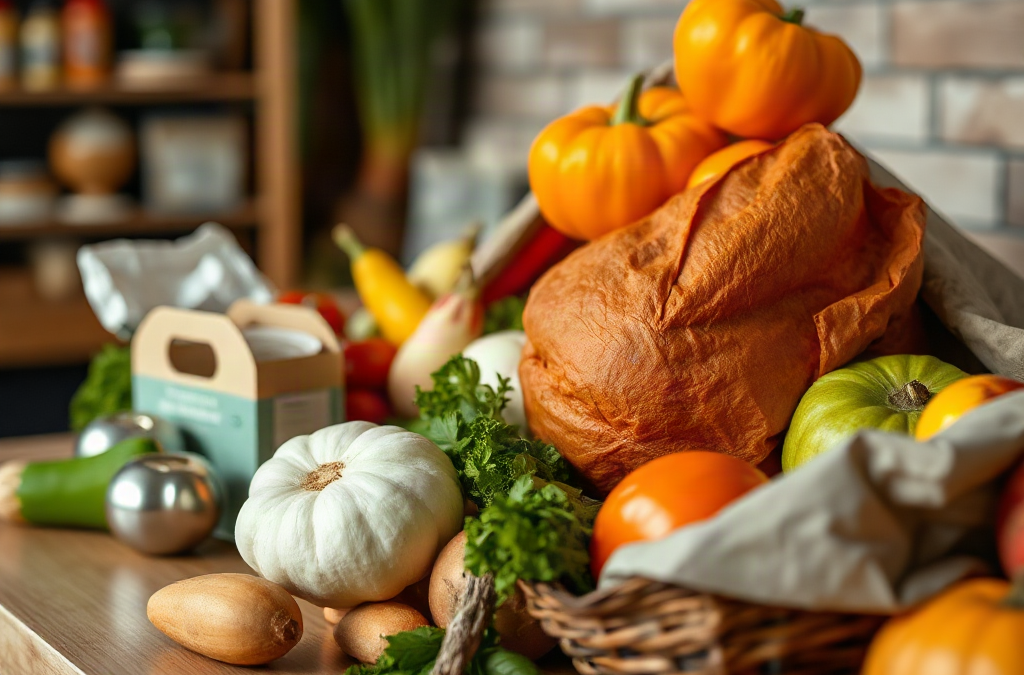
Set the Food Budget Before Choosing Organic Products
A limited grocery budget should first cover enough food, adequate variety, and dependable sources of protein, fiber, fats, vitamins, and minerals. Organic production describes how agricultural products are grown, raised, and processed under defined standards; it does not make an item nutritionally indispensable. A conventional apple still contributes fruit to the diet, while an organic cookie remains a discretionary product. Treating the label as the first purchasing criterion can therefore redirect money away from more consequential dietary needs.
Begin with the household’s actual meal pattern rather than a list of aspirational organic purchases. Identify the foods needed for breakfasts, lunches, dinners, and snacks, then estimate how much can be spent in each category. A practical basket might include oats and eggs for breakfast, beans or canned fish for lunches, and rice, vegetables, and chicken for dinners. Organic versions can be considered only after the basket contains enough ingredients to produce complete meals.
The strongest candidates for an organic upgrade are usually foods the household eats regularly and can finish reliably. If oats appear at breakfast five days a week, an affordable organic store-brand package may deliver more practical value than organic berries purchased once and discarded after they soften. Conversely, paying a large premium for organic eggs makes little sense when that difference forces the shopper to remove fruit or reduce the amount of protein available for the week.
Use three budget boundaries to prevent label-driven overspending:
- Meal floor: Protect the basic ingredients required to assemble satisfying meals.
- Organic allowance: Assign a fixed dollar amount or small share of the grocery total to preferred organic upgrades.
- Substitution rule: Choose conventional when the organic premium threatens quantity, variety, or another essential purchase.

A common mistake is assuming that an all-organic basket is the only meaningful goal. Partial purchasing is a legitimate endpoint, not a failed transition. Someone may consistently buy organic milk and oats but choose conventional bananas, onions, pasta, and canned tomatoes. That selective approach keeps priorities visible and makes Budget prioritization for organic foods with limited spending responsive to actual prices rather than personal pressure or marketing.
Rank Purchases by Frequency, Price Premium, and Waste Risk
Each potential organic purchase should be judged by how often it is eaten, how much extra it costs, and whether it is likely to be used before spoiling. These factors are more useful than a universal shopping list because prices, diets, availability, and household preferences differ. A product that deserves priority in one kitchen may be irrelevant in another.
Frequency creates a logical starting point. Regularly consumed staples affect the budget repeatedly, but they can also justify comparison shopping because even a modest price difference accumulates. Check organic and conventional versions of milk, yogurt, grains, beans, potatoes, or apples if they appear on the list every week. An item eaten once every few months deserves less attention, even if it features prominently in generalized organic-buying advice.
Next, calculate the premium rather than looking only at the shelf price. If conventional carrots cost $1.50 and organic carrots cost $1.80 for equivalent packages, the additional cost is modest. If two comparable cartons of eggs differ by several dollars, the decision has greater consequences for the weekly basket. Package size matters: a cheaper sticker price can conceal a higher unit price, while a large package may be poor value if half goes unused.
Waste risk can overturn an otherwise sensible choice. Organic salad greens bought for planned lunches offer little value if an unexpected schedule change leaves the package untouched. Frozen organic spinach may be a better purchase for a person who cooks irregularly because individual portions can be removed as needed. A family that consumes fresh greens within two days may reasonably reach the opposite decision.
A compact ranking method keeps comparisons manageable:
- List five to ten foods purchased most often.
- Record conventional and organic unit prices during a normal shopping trip.
- Mark items that are consistently finished, sometimes wasted, or rarely used.
- Upgrade the regularly finished items with tolerable premiums first.
- Recheck the ranking when prices, seasons, or eating habits change.
Do not rank products solely through simplified residue lists circulating online. Such lists may omit price, typical serving amounts, washing, availability, and the broader need to eat fruits and vegetables. Organic choices may reflect environmental, farm-practice, or personal exposure preferences, but they should not create fear of affordable conventional produce. Washing produce under running water and removing damaged areas remain sensible handling steps regardless of production method.
Compare Real Value Across Fresh, Frozen, Canned, and Bulk Options
The best-value organic option is not necessarily fresh, unpackaged, or sold at a specialty market. Frozen, canned, dried, bulk, and store-brand products may offer lower unit costs and longer usable lives. Nutritional comparisons should focus on the whole product, including added sodium, sugar, and preparation needs, rather than assuming one format is automatically superior.
Frozen vegetables illustrate how format changes value. A bag of organic peas can remain usable for multiple meals, requires no trimming, and allows exact portions. Fresh peas may carry a higher price and produce pods that are not eaten. For soups, pasta, or rice bowls, the frozen option can provide a better cost per edible serving. Fresh produce still has an advantage when texture matters and the entire amount will be consumed promptly.
Canned and dried foods require a similar comparison. Organic canned beans offer speed and predictable portions, while dried organic beans often cost less per cooked serving but require soaking or longer cooking. A shopper with limited time may save money overall by buying canned beans instead of ordering takeout when dinner plans collapse. Someone who batch-cooks on weekends may gain more from a bag of dried beans. If sodium is a concern, compare labels and consider draining and rinsing canned beans.
Bulk purchasing only works when storage and turnover support it. A large bag of organic brown rice may have an appealing unit price, but it is not economical if the household prefers other grains or lacks a dry, pest-resistant storage space. Start with the quantity normally used within a realistic period. The same caution applies to warehouse packages of produce, dairy, and bread, where spoilage can erase the discount.
Store brands deserve direct comparison with national brands because both may carry recognized organic certification while differing substantially in price. Read the ingredient list on flavored yogurt, cereal, sauces, and snack products: paying for organic ingredients does not remove added sugars, excess sodium, or low fiber. A minimally processed conventional staple may fit the diet and budget better than a heavily marketed organic alternative.
Use edible yield to settle close decisions. Compare the cost of a ready-to-use frozen ingredient with the usable portion remaining after peeling, trimming, or spoilage. For more detailed Budget prioritization for organic foods with limited spending, note the number of servings actually obtained rather than relying on package claims. When an item repeatedly produces leftovers that are discarded, buy a smaller package, choose a shelf-stable format, or return to the conventional version.
Build a Repeatable Organic Shopping Plan
A workable shopping plan turns organic purchasing into a controlled choice rather than an aisle-by-aisle decision. Start with an inventory of the refrigerator, freezer, and pantry, then write meals around ingredients already available. This reduces duplicate purchases and reveals where one organic item can serve several dishes.
For example, a bag of organic carrots could supply roasted vegetables, soup, lunch-box sticks, and a grated topping for grain bowls. Organic spinach might work in eggs, pasta, and lentil soup, but only if those meals are genuinely scheduled. Multipurpose ingredients deserve priority over specialized items that fit one recipe. Keep one backup meal—such as pasta with canned tomatoes and beans—available so a disrupted plan does not turn perishable purchases into waste.
At the store, compare unit prices within the same form and size category. Check conventional, organic store-brand, frozen, and shelf-stable alternatives before making an upgrade. Sales are useful when they apply to foods already on the plan; they are not savings when they encourage unneeded volume. Coupons can also distort the decision if the discounted organic product still costs more than an equally useful alternative.
Seasonality may lower the price of some fresh items, but local and organic are separate attributes. Locally grown produce is not necessarily certified organic, and imported produce may meet organic standards. Ask vendors about production methods if that information affects the decision, while recognizing that certification and informal claims are not interchangeable. The goal is an informed purchase, not an assumption based on distance, packaging, or market setting.
Review the plan after two or three shopping cycles. Signs that it is working include staying within the grocery limit, using perishables before they deteriorate, maintaining meal variety, and buying preferred organic staples without cutting essential quantities. Warning signs include a rising checkout total, repeated produce disposal, dependence on packaged organic snacks, or skipping useful conventional items because the organic version is unaffordable.
Adjust one category at a time. If dairy consumes most of the organic allowance, test whether switching one product to conventional frees enough money for several frequently used vegetables. If fresh organic produce spoils, direct the allowance toward frozen produce, oats, beans, or another durable staple. A written price note makes these tradeoffs visible and protects the plan from memory errors. The method succeeds when it remains nutritionally adequate, financially stable, and easy enough to repeat—not when every item carries the same label.
Frequently Asked Questions
Which organic foods should receive budget priority first?
Prioritize foods eaten frequently, finished reliably, and available with a manageable price premium. The best candidates depend on household habits rather than a universal list.
Is conventional produce still a reasonable choice?
Yes. Affordable conventional fruits and vegetables can preserve dietary variety when organic versions cost too much. Wash produce under running water and handle it properly before eating.
Are frozen organic vegetables worth buying?
They may be when fresh produce is frequently wasted. Frozen vegetables allow portioning, require little preparation, and can offer a lower cost per usable serving.
Does buying organic in bulk always save money?
No. Bulk packages save money only when the unit price is lower and the household can use or store the full quantity without spoilage or quality loss.
Should organic snacks take priority over conventional staples?
Usually not. A conventional staple that contributes protein, fiber, fruit, or vegetables generally deserves budget space before an organic discretionary snack with limited meal value.
Conclusion
Organic spending becomes more manageable when every upgrade must earn its place in the grocery basket. Protect complete meals and dietary variety first, then compare frequently used products by unit price, edible yield, storage life, and actual household demand. Fresh is not automatically the best value: frozen vegetables, canned beans, dried grains, and store-brand options can stretch an organic allowance while limiting waste.
For the next shopping trip, choose a small group of regularly consumed foods, record both prices, and note what is discarded at the end of the week. Keep the upgrades that fit comfortably and are consistently used. Replace expensive or wasted choices with conventional, frozen, or smaller-package alternatives. A selective plan that survives ordinary weeks is more useful than an ambitious organic basket that reduces food variety or exceeds the amount available to spend.
Huge Discount on the Best Certified Organic Nutrient Dense Supplement!

Related Content
- Can Organic Produce Reduce Exposure to Heavy Metals: Understanding the Impact on Health and Nutrition
- The Benefits of Organic Honey: Uses and Properties
- How Organic Farming Affects Biodiversity In Your Area Through Soil, Habitat, And Pest Management
- Discover How Which Organic Foods Help Stabilize Blood Sugar Levels for Better Health
- The Ultimate Guide to Healthy Organic Nutrition: 7 Effective Tips for 2025