
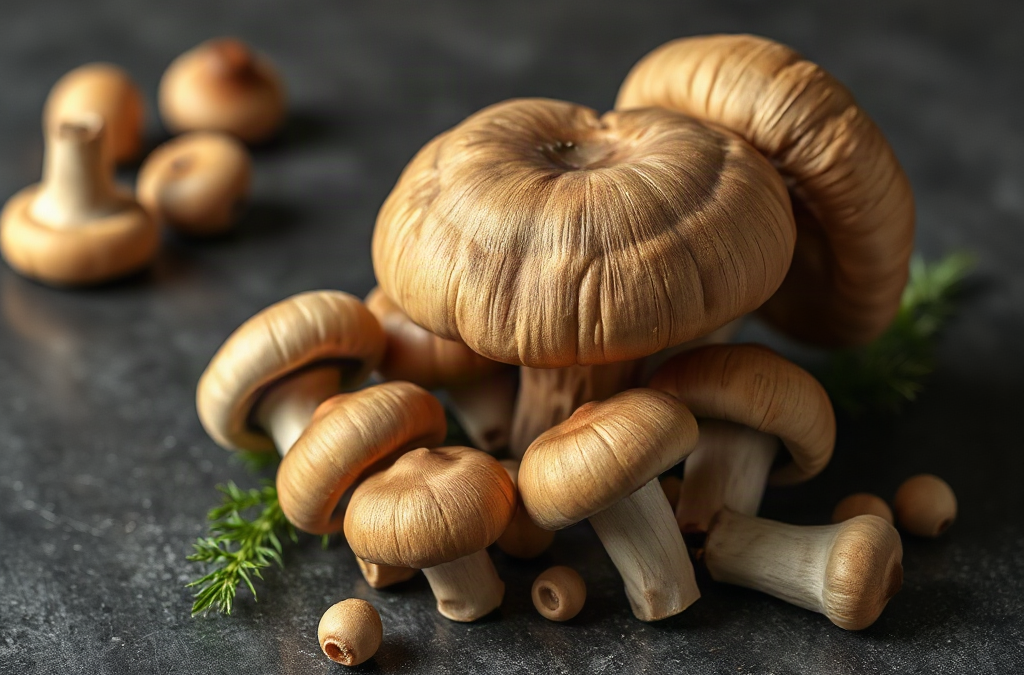
Shiitake mushrooms make savory nutrient-rich meals by contributing deep umami flavor, useful amounts of copper and B vitamins, and a substantial texture that works with grains, legumes, eggs, and vegetables. Brown them in a lightly oiled pan instead of crowding or boiling them, then add aromatics and a modest amount of soy sauce, miso, or broth. Fresh shiitakes suit quick sautés, while dried mushrooms provide concentrated flavor and a soaking liquid for soups or risotto. Remove tough stems, cook the caps thoroughly, and treat shiitakes as a flavorful component rather than a complete meal or a substitute for medical treatment.
What Do Shiitake Mushrooms Contribute to a Meal?
Shiitakes contribute more than a mushroom garnish: their pronounced umami can make vegetables, grains, and legumes taste fuller without requiring large amounts of meat, cheese, or salty sauce. The effect comes partly from naturally occurring glutamate and other flavor compounds that intensify savory perception. Browning further develops roasted aromas, giving a simple bowl of rice and greens more depth than raw or lightly warmed mushrooms would provide.

Nutritionally, shiitakes are a low-energy-density whole food containing fiber, copper, and several B vitamins, with exact amounts varying by form and preparation. They also provide carbohydrate and a modest amount of protein, but they should not be treated as the main protein source in a meal. Pairing them with lentils, tofu, tempeh, eggs, fish, chicken, or beans creates a more complete plate. A serving of mushroom barley soup, for example, becomes more sustaining when white beans are added rather than relying on mushrooms and broth alone.
Vitamin D claims require extra care. Mushrooms can contain vitamin D when ultraviolet light has converted their natural ergosterol into vitamin D2, but the amount is highly variable. Packaging may identify UV exposure and list vitamin D on the Nutrition Facts label. Ordinary shiitakes should not automatically be assumed to supply a meaningful amount, and they are not a dependable replacement for medical advice about vitamin D deficiency.
The strongest practical use of shiitakes is therefore culinary leverage. Their flavor can shift the balance of a dish toward more vegetables and minimally processed ingredients while keeping it satisfying. That does not make every shiitake dish nutritious: mushrooms fried in heavy batter or covered with a high-sodium glaze carry a different nutritional profile from those sautéed with cabbage, edamame, and brown rice.
A useful priority order is to choose a substantial base, add a clear protein source, include colorful produce, and use shiitakes to supply flavor and texture. Watch the surrounding ingredients rather than assigning the health value of the entire meal to one mushroom. If the plate remains mostly refined noodles and salty sauce, adding a few caps does not correct the imbalance.
How Should Shiitake Mushrooms Be Cooked for Better Flavor?
Dry surface heat produces the most pronounced savory flavor because it allows shiitakes to brown instead of steam. Wipe away visible debris or rinse the mushrooms briefly, then dry them well. Remove stems that feel woody, slice the caps evenly, and heat a wide skillet before adding a thin layer of oil. The pan should be large enough for most pieces to contact the surface.
Crowding is the usual reason sautéed mushrooms turn pale and rubbery. Shiitakes release moisture as they heat; if that liquid cannot evaporate, the pan temperature falls and browning stalls. Cook in batches when necessary and avoid constant stirring. Turn the slices once the underside has developed color, then add garlic, ginger, scallions, or another aromatic near the end so those ingredients do not burn before the mushrooms finish.
Salt and liquid seasonings need deliberate timing. A small amount of tamari, soy sauce, or miso can reinforce umami, but combining several concentrated condiments often overwhelms the mushrooms and raises sodium quickly. Deglazing the browned pan with a spoonful of water, unsalted broth, or citrus juice captures flavorful residue without automatically making the dish salty. Taste before adding another savory ingredient.
Different dishes call for different techniques. For a grain bowl, cook sliced caps until their edges are browned and slightly crisp. For soup, briefly sauté the mushrooms and aromatics before adding broth; this creates a deeper base than dropping raw slices directly into liquid. For a stir-fry, cook shiitakes first, remove them temporarily, and return them after quick-cooking vegetables are nearly done. That sequence prevents watery vegetables from interfering with browning.
Use a simple check to judge the result:
- Working well: the caps are tender, the edges have color, and the flavor remains distinct after seasoning.
- Needs adjustment: liquid pools in the pan, the slices squeak or feel rubbery, or sauce is the only noticeable flavor.
- Next attempt: dry the mushrooms more thoroughly, use higher heat, reduce the batch size, or delay liquid seasoning.
Roasting is a useful hands-off alternative. Spread lightly oiled pieces in a single layer and turn them as needed for even color. Steaming and simmering preserve tenderness but provide little browning, so they work better when the broth or sauce already has a developed flavor base. Whichever method is chosen, cook shiitakes rather than serving them raw; thorough cooking improves texture and may reduce the chance of adverse skin reactions associated with raw or undercooked shiitakes in susceptible people.
How Do You Build a Balanced Meal Around Shiitakes?
A balanced shiitake meal needs components that mushrooms do not supply in large amounts, especially protein and sufficient energy. Start by deciding whether the dish is a bowl, soup, skillet meal, or egg-based plate. That format determines which ingredients can carry the nutritional load without burying the mushrooms under competing flavors.
For a plant-based bowl, combine browned shiitakes with quinoa or brown rice, shelled edamame or baked tofu, and a crisp vegetable such as bok choy, cabbage, or broccoli. A sesame-lime dressing adds richness and acidity, but it should complement rather than saturate the bowl. The grains provide carbohydrate, edamame or tofu contributes protein, and the varied vegetables broaden the meal beyond the nutrients in mushrooms.
A soup requires a different calculation. Shiitakes, broth, and greens may taste satisfying at first yet provide little staying power. Add white beans, red lentils, tofu cubes, shredded chicken, or an egg, depending on dietary preference. Barley, soba, or potatoes can provide a substantial carbohydrate component. If using packaged broth, compare sodium labels before adding miso or soy sauce; several individually reasonable ingredients can create an unexpectedly salty pot.
Shiitakes also work in breakfast or lunch dishes. Fold browned slices into an omelet with spinach and herbs, or spoon them over whole-grain toast with mashed white beans. In a pasta dish, combine mushrooms with peas and cannellini beans instead of relying solely on cream and Parmesan for substance. These combinations preserve the savory role of the mushroom while giving the meal a clearer protein source and more fiber-rich ingredients.
A compact meal-building checklist keeps priorities visible:
- Choose the anchor: whole grain, potato, noodles, or bread in an amount suited to appetite and dietary needs.
- Add protein: beans, lentils, soy foods, eggs, seafood, poultry, or another preferred option.
- Use ample produce: pair shiitakes with at least one differently colored vegetable.
- Control concentrated seasoning: select one main salty condiment, then use acid, herbs, or spices for contrast.
- Check texture: include something crisp, fresh, or creamy so every component is not soft and brown.
The common weak assumption is that a plant-based ingredient automatically creates a balanced plant-based meal. Coconut milk, refined noodles, and mushrooms may be enjoyable, but the dish can still lack a meaningful protein component. Conversely, there is no need to force every nutrient into one plate. Meal patterns across the day matter, and individual needs vary with appetite, activity, health conditions, allergies, and clinician-directed diets.
When Should You Use Fresh Versus Dried Shiitakes?
Fresh shiitakes are best when tender texture and quick preparation are priorities, while dried shiitakes are better for concentrated flavor and broth-based dishes. They are not exact substitutes. Drying changes both texture and aroma, producing a more forceful savory character that can dominate delicate ingredients if used without restraint.
Choose fresh caps for sautés, omelets, sheet-pan meals, tacos, and stir-fries. Look for mushrooms that feel firm and relatively dry, with caps that are not slimy or deeply shriveled. Large caps can be sliced for even cooking; small ones may be halved or left whole if they will cook through. Fresh shiitakes usually have tough stems, so trimming them improves the finished texture.
Dried shiitakes suit ramen-style broths, bean soups, risotto, braised greens, dumpling fillings, and sauces. Rehydrate them in clean water until fully softened, then squeeze out excess liquid and remove the hard stems. The soaking liquid carries substantial flavor. Strain it through a fine sieve, coffee filter, or clean cloth to remove grit before adding it to a dish, and keep it refrigerated if it will not be used promptly.
A practical comparison helps clarify the choice:
| Form | Best Uses | Main Advantage | Watch For |
|---|---|---|---|
| Fresh | Sautés, bowls, eggs, stir-fries | Tender, meaty bite | Moisture that prevents browning |
| Dried | Soups, braises, risotto, sauces | Concentrated aroma and usable soaking liquid | Grit, tough stems, and overpowering flavor |
Cost and waste also affect the decision. Dried mushrooms keep longer and allow cooks to use a few pieces at a time, which may offer better value when shiitakes are not eaten regularly. Fresh mushrooms are more convenient for a quick skillet dinner but deteriorate faster. Buying a large fresh package only makes sense when several meals are planned within a short window.
Do not assume dried means nutritionally superior or inferior. Nutrient values differ by weight because water has been removed, and serving weights are not directly comparable. Preparation also changes the final dish: rehydrated mushrooms absorb liquid, while fresh ones lose water during cooking. Choose the form for the flavor, texture, storage, and recipe rather than treating the label alone as evidence of a healthier option.
Selection, Storage, and Safety Details That Matter
Good shiitakes should smell earthy rather than sour and should not feel slimy. Store fresh mushrooms in the refrigerator in packaging that permits some airflow, such as a paper bag or a loosely closed container lined with a dry paper towel. A sealed, wet environment accelerates deterioration. Wash or wipe them shortly before cooking instead of storing them while damp.
Discard mushrooms with widespread slime, mold, or an unpleasant odor. Slight drying or wrinkling mainly affects quality and may still be acceptable for soup, but deterioration should not be hidden by heavy seasoning. Dried shiitakes should remain dry and free from moisture damage or insects; transfer them to a tightly closed container and follow the package’s storage directions.
Cooking is the sensible default. Raw or inadequately cooked shiitakes have been associated with a distinctive itchy rash called shiitake dermatitis in some people, although individual susceptibility varies. Cooking does not justify eating a food that has spoiled, and it cannot make an allergic reaction safe. Anyone who develops hives, swelling, breathing difficulty, or a severe reaction after eating mushrooms should seek appropriate medical care rather than testing the food again at home.
Wild-mushroom identification is a separate safety issue. Store-bought cultivated shiitakes are recognizable products, but a mushroom found outdoors should never be eaten because it resembles one from a market. Visual comparisons and mobile applications are not reliable substitutes for qualified local identification. This article addresses commercially sold shiitakes, not foraged fungi.
People following low-sodium diets should focus on the condiments surrounding the mushrooms. Plain shiitakes are not the usual source of excess salt in a dish; soy sauce, bouillon, bottled stir-fry sauce, and miso can accumulate quickly. Use nutrition labels to compare products, dilute concentrated ingredients where appropriate, and build flavor with ginger, garlic, scallions, rice vinegar, citrus, chile, or toasted spices.
The final check is practical: the mushrooms should be fully cooked, pleasantly tender, and free from off odors or sliminess. If a new mushroom dish causes a concerning reaction, stop eating it and obtain medical guidance. Shiitakes are a food ingredient with culinary and nutritional value, not a treatment for immune, cholesterol, vitamin, or other health conditions.
Conclusion
Shiitakes work best when their culinary strengths are matched with ingredients that complete the plate. Brown fresh caps in an uncrowded pan for bowls and stir-fries, or use rehydrated dried mushrooms and strained soaking liquid to deepen soups, braises, and risotto. Add a defined protein source, a substantial grain or other carbohydrate when appropriate, and vegetables with contrasting color and texture.
Prioritize proper cooking, restrained use of salty condiments, and honest expectations about nutrition. Shiitakes contribute useful nutrients and intense savory flavor, but they do not turn an otherwise unbalanced dish into a complete meal or treat a health condition. For the next meal, choose fresh or dried mushrooms based on the desired texture, remove tough stems, and build the remaining ingredients around protein, produce, and a seasoning plan that lets the mushrooms remain distinct.
Frequently Asked Questions
Do shiitake mushrooms need to be cooked?
Yes. Cooking improves their texture and flavor and may reduce the risk of shiitake dermatitis linked to raw or undercooked mushrooms in susceptible people.
Can you eat shiitake stems?
The stems are edible but often too fibrous for sautés. Remove them from the caps and use them to flavor stock, then strain them out before serving.
Are dried shiitakes as useful as fresh ones?
Yes, but they serve a different purpose. Dried shiitakes provide concentrated flavor for broths and braises, while fresh caps offer a more tender texture for browning.
What protein pairs well with shiitake mushrooms?
Tofu, tempeh, edamame, lentils, white beans, eggs, chicken, and fish all pair well. Choose according to the dish and individual dietary needs.
How can shiitakes taste savory without too much salt?
Brown them thoroughly, use one concentrated salty condiment, and add garlic, ginger, scallions, citrus, vinegar, or spices for flavor contrast.