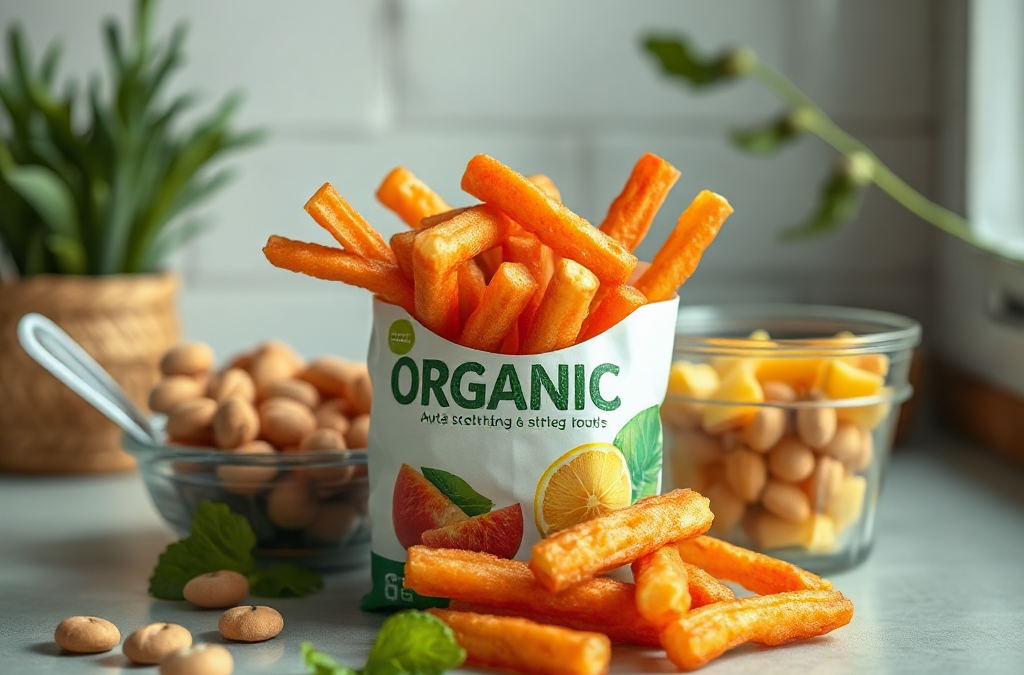
Aug 8, 2026 | Organic Nutrition
Organic snacks can sometimes be misleading because the organic label describes farming and processing standards, not automatically a food’s sugar content, calorie density, portion size, or overall nutritional quality. A certified organic cookie, cereal bar, or fruit snack may still contain refined flour, added sweeteners, sodium, and concentrated calories.
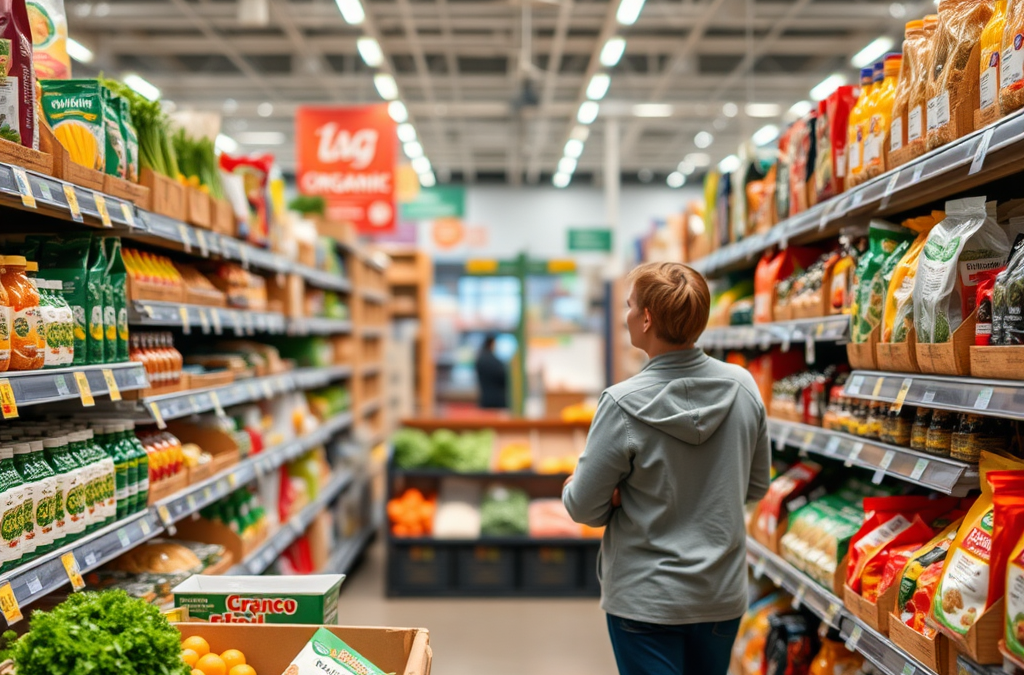
Aug 7, 2026 | Organic Nutrition
Spot the best organic products at stores by verifying the certification seal, reading the full ingredient list, comparing the product’s freshness and processing level, and checking whether the price reflects useful quality rather than packaging.
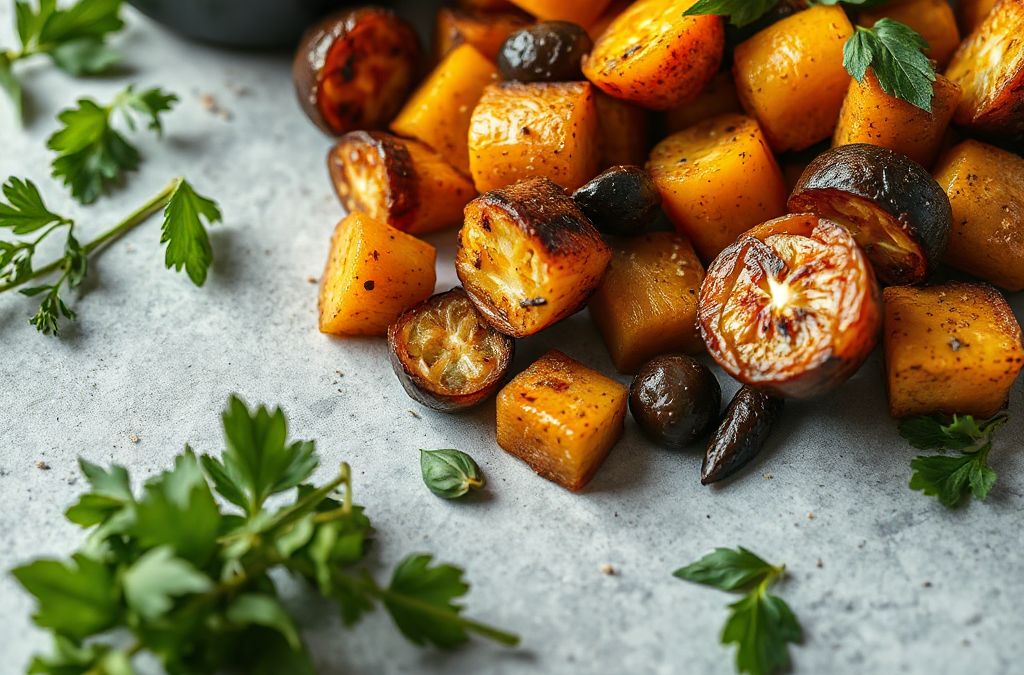
Aug 6, 2026 | Organic Nutrition
How to enhance flavors in organic meals without additives comes down to building flavor through browning, concentrated aromatics, acidity, herbs, spices, and proper seasoning. Roast vegetables until their edges caramelize, toast spices briefly, and use garlic, onions, mushrooms, or tomatoes to add savory depth without relying on flavor enhancers.
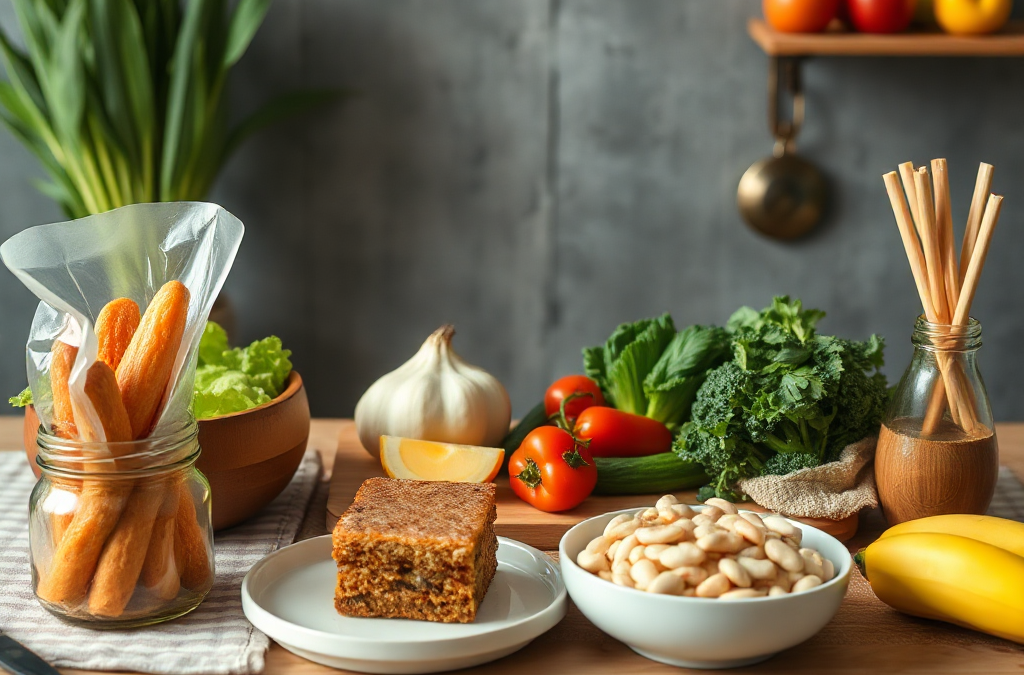
Aug 5, 2026 | Organic Nutrition
Create a balanced organic diet for families by building meals around vegetables and fruit, whole grains, beans, eggs, fish or other proteins, and healthy fats, then adjust portions and food choices for each age. A workable plan combines mostly organic staples with seasonal buying, frozen produce, and conventional options when…
Aug 5, 2026 | Organic Nutrition
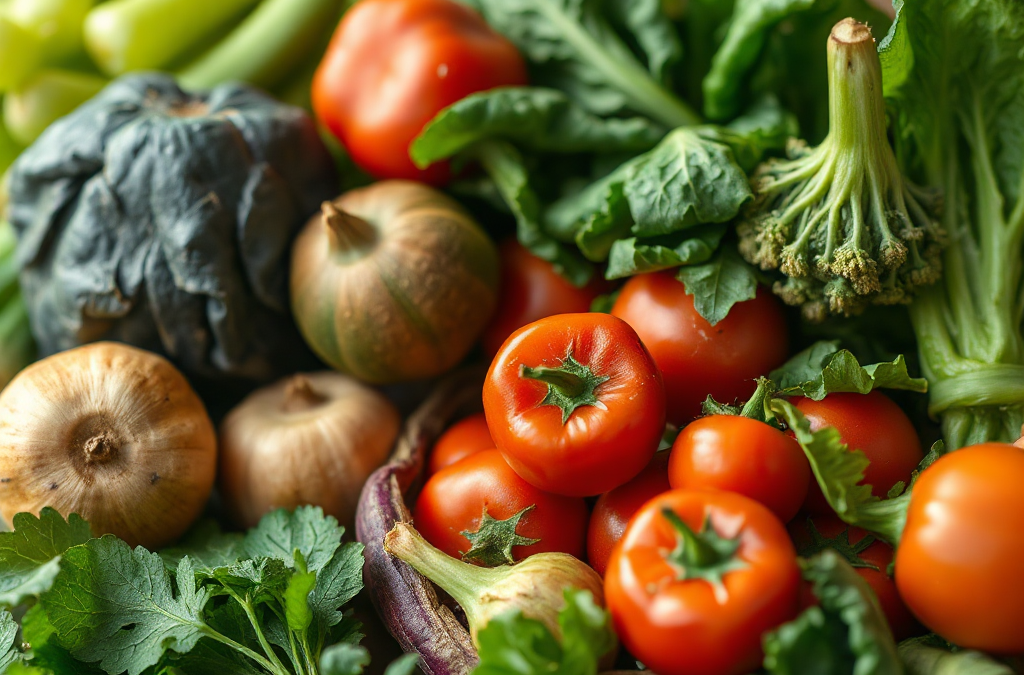
The misconceptions about the taste of organic vegetables usually come from confusing farming method with freshness, variety, growing conditions, and preparation. Organic vegetables are not automatically sweeter, stronger, or more flavorful, and they are not inherently bland; flavor depends heavily on harvest maturity, storage time, soil, weather, cultivar, and cooking.
Aug 4, 2026 | Organic Nutrition
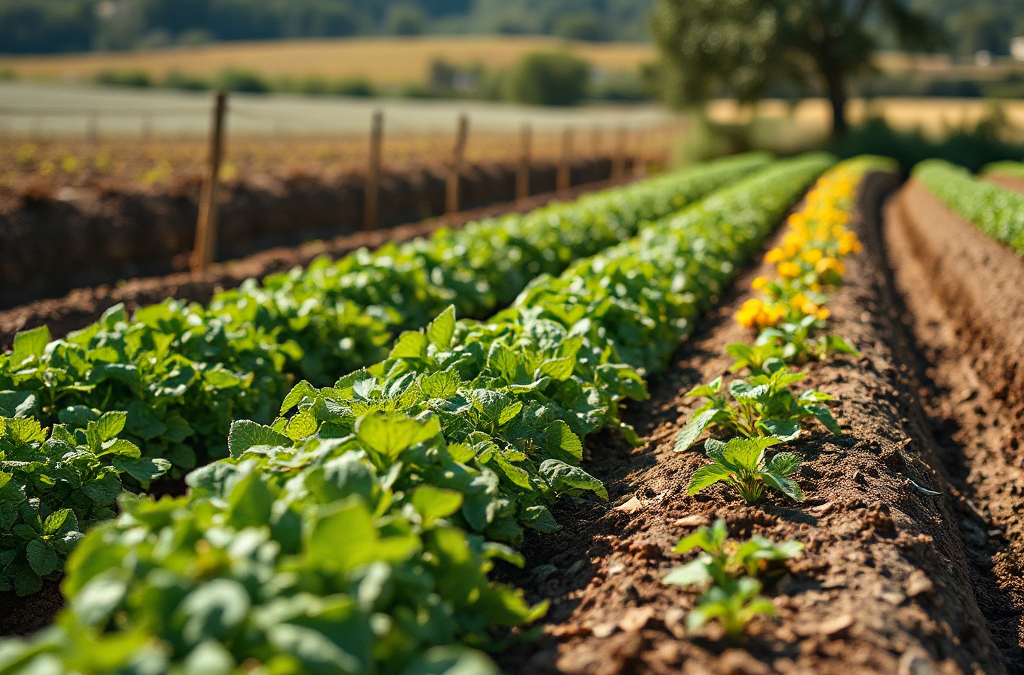
How organic farming affects biodiversity in your area depends mainly on whether farms build habitat, protect soil life, and reduce routine exposure to broad-spectrum pesticides. Organic fields may support more pollinators, beneficial insects, earthworms, birds, and microbial activity when they use crop rotation, cover crops, hedgerows, flowering margins, and varied planting dates.