Jun 6, 2026 | Organic Nutrition
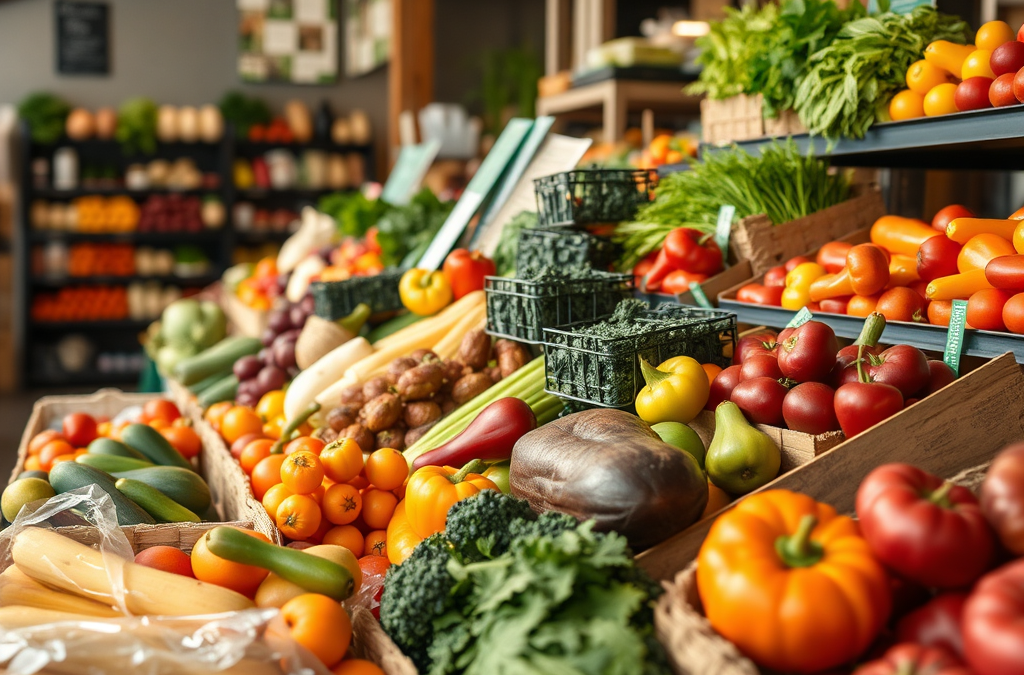
Organic farming enhances soil nutrient quality through practices that build soil health and promote biodiversity. By using natural fertilizers, such as compost and manure, organic farmers contribute essential nutrients back into the soil, improving its overall...
Jun 6, 2026 | Organic Nutrition
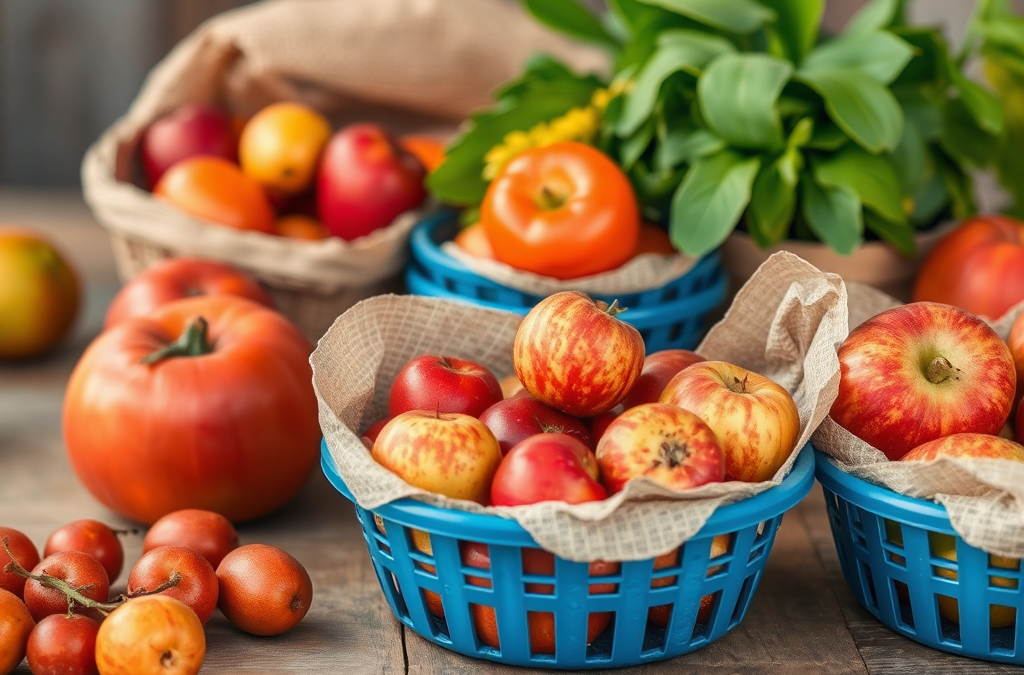
Organic milk is widely regarded as a safer choice for children compared to conventional milk. This perception stems from the absence of synthetic pesticides, herbicides, and antibiotics commonly found in non-organic dairy products. Furthermore, organic farming...
Jun 6, 2026 | Organic Nutrition
Switching to organic can significantly reduce your toxic load, as organic foods are grown without synthetic pesticides, herbicides, and fertilizers. This shift not only lessens your exposure to harmful chemicals but also supports more sustainable farming practices...
Jun 6, 2026 | Organic Nutrition
Organic grains may provide advantages for individuals experiencing digestion issues, primarily due to their higher fiber content and the absence of synthetic pesticides and fertilizers. These grains tend to be more easily digestible and can help promote a healthier...
Jun 6, 2026 | Organic Nutrition
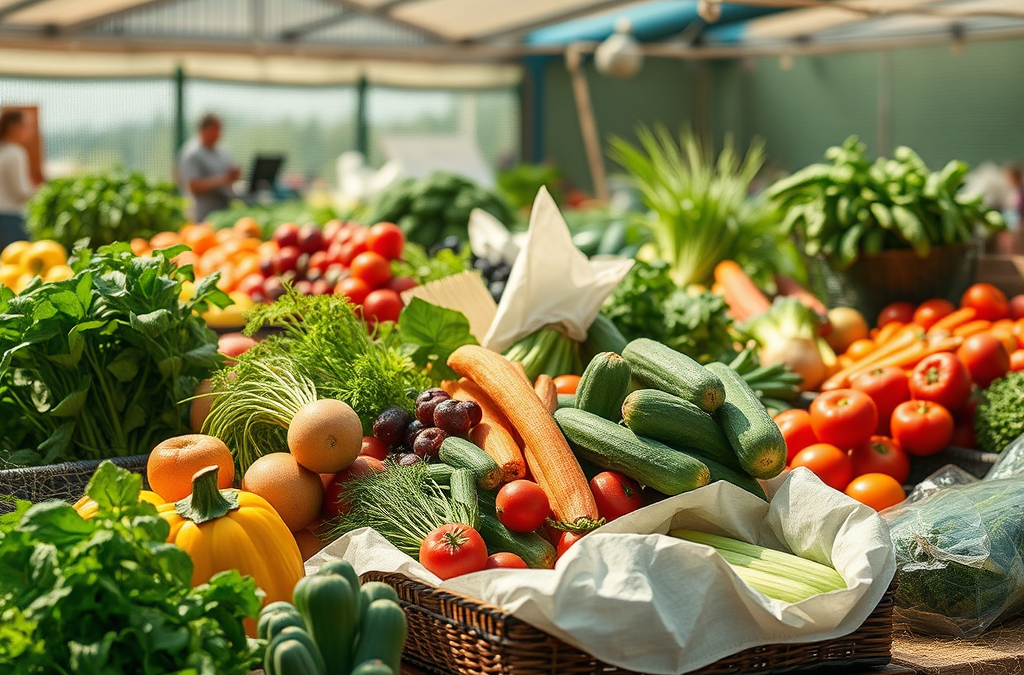
Storing organic vegetables properly is key to maximizing their shelf life and maintaining their nutritional value. The right methods can significantly reduce spoilage and waste, allowing you to enjoy fresh produce for an extended period. Different vegetables have...