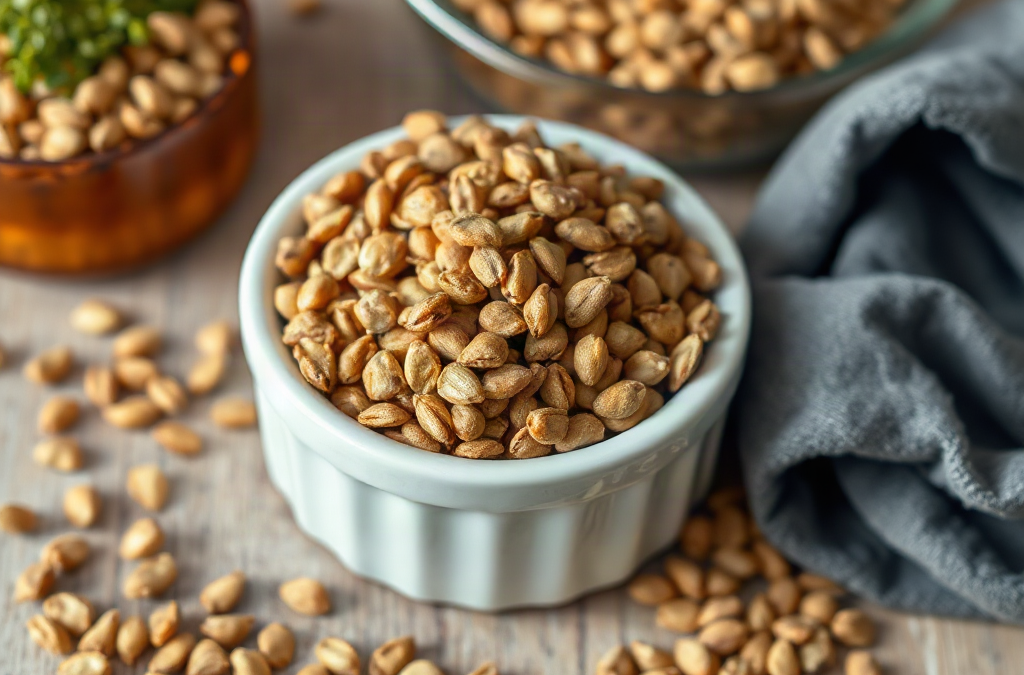
Organic hemp hearts add plant-based omega-3 fatty acid alpha-linolenic acid (ALA) to meals while also contributing protein, fiber, and minerals, but they should complement—not replace—the wider fat sources in a balanced diet. Stir one to three tablespoons into oatmeal, yogurt, smoothies, salads, or cooked grains after heating to preserve their delicate flavor and reduce oxidation risk. Store opened hemp hearts tightly sealed in the refrigerator, because their unsaturated fats can develop a stale taste. ALA conversion to EPA and DHA is limited and varies by person, so hemp hearts are useful for adding ALA but are not nutritionally interchangeable with algae-derived DHA or EPA supplements.
What Hemp Hearts Contribute to an Omega-3 Eating Pattern
Hemp hearts are the shelled seeds of the hemp plant, and their main plant omega-3 contribution is alpha-linolenic acid, commonly abbreviated as ALA. They are also a convenient source of plant protein, unsaturated fat, and minerals such as magnesium and phosphorus. That combination makes them more useful than an isolated oil for people who want to improve the overall nutrient density of breakfast, snacks, or simple meals.
ALA is an essential fatty acid, which means the body cannot make enough of it and must obtain it from food. The body can convert some ALA into the longer-chain omega-3 fats EPA and DHA, but conversion is limited and not uniform. Hemp hearts therefore fit best into an eating pattern that includes several nutrient sources rather than being presented as a complete substitute for fish or an algae-based supplement. Readers seeking DHA or EPA specifically should discuss suitable options with a qualified clinician, particularly during pregnancy or when managing a medical condition.
A practical example is a breakfast bowl made with oats, berries, and hemp hearts. The seeds supply a nutty texture and add fat and protein to a meal that might otherwise be mostly carbohydrate. That does not make the bowl automatically balanced: sweetened yogurt, large portions of syrups, or a lack of fiber-rich produce can change the meal’s overall profile. The useful question is not whether hemp hearts are a miracle ingredient, but whether they improve the structure of the food already on the plate.
Organic hemp hearts for adding plant omega-3s are especially easy to use when a person prefers whole foods over capsules. Still, the word organic does not change the seed’s fatty-acid chemistry or remove the need for sensible storage. Check the ingredient panel for plain shelled hemp hearts if the goal is to control added sugar, sodium, or flavoring.
How to Add Hemp Hearts Without Losing Quality
The simplest method is to sprinkle hemp hearts onto food after cooking or just before serving. Their soft texture works in porridge, overnight oats, unsweetened yogurt, cottage cheese, hummus, soups, salads, and cooked vegetables. They can also be blended into a smoothie, although blending disperses rather than transforms their nutrients. A tablespoon can add subtle richness without making a dish taste strongly of seeds; larger amounts create a more noticeable nutty flavor and may make a recipe feel heavy.
High heat and prolonged storage are the main quality concerns. Hemp hearts contain delicate polyunsaturated fats, which are more vulnerable to oxidation than saturated fats. Heating them briefly in a finished dish is different from frying them for an extended period. For that reason, use hemp hearts as a topping, blend them into cool foods, or stir them into warm food once it has left the burner. Toasting may deepen the flavor, but it also adds heat, so gentle, short exposure is preferable to dark browning.
Texture can determine whether the habit lasts. A person who dislikes seeds may prefer them mixed into a thick smoothie or stirred into a sauce, while someone who enjoys crunch can use them over roasted vegetables or a grain bowl. Hemp hearts are softer than whole sunflower seeds and do not provide the same crisp contrast. Comparing them with chia or ground flax is also useful: chia thickens liquid, ground flax brings more soluble fiber, and hemp hearts offer a milder texture with a broader protein contribution.
Try a measured progression rather than adding a large quantity immediately. Begin with a small spoonful in a familiar food, assess taste and digestion, then increase if it fits the meal. A useful routine might be hemp hearts on breakfast three days a week and a seed-based salad topping on another day. The approach is failing when the seeds sit unused, become stale, or displace more varied foods; convenience and freshness matter more than forcing them into every recipe.
Pairing Hemp Hearts With Other Plant Foods
Hemp hearts work best as one part of a varied plant-food pattern. Their ALA content addresses one type of omega-3 need, while vegetables, fruit, legumes, whole grains, nuts, and other seeds provide different fibers, vitamins, minerals, and protective plant compounds. No single seed supplies the full range of nutrients found in that combination. Pairing is therefore about complementing strengths, not creating a supposedly perfect food.
For breakfast, combine hemp hearts with oats, ground flax, berries, and plain yogurt or a fortified soy alternative. Oats and berries contribute fiber, while the dairy or soy component can add additional protein. At lunch, sprinkle hemp hearts over lentil soup with a side salad dressed in an oil-based vinaigrette. Dinner might include a quinoa and chickpea bowl with leafy greens, roasted vegetables, and a modest hemp-heart topping. These examples distribute plant foods across the day instead of concentrating all the seeds in one oversized serving.
Adding another fat source can be sensible, but it changes the calorie density of the meal. Hemp hearts, avocado, tahini, walnuts, and oil can all appear in a nutritious diet, yet using generous amounts of each in one bowl may make the portion much heavier than intended. Someone monitoring energy intake may choose either hemp hearts or a large nut-and-seed topping rather than treating every healthy fat as an unlimited add-on.
Hemp hearts should not be confused with an assured source of preformed EPA and DHA. Plant foods such as flax, chia, walnuts, and hemp primarily provide ALA, whereas algae-based products can provide DHA and sometimes EPA directly. That distinction matters for readers following vegan diets who want a specific long-chain omega-3. A food-first pattern can remain the foundation, but a targeted supplement decision belongs with a healthcare professional when life stage, medication, or a documented deficiency changes the equation.
Use the hemp-heart food ideas that solve a real meal problem: a quick breakfast, a bland grain bowl, or a low-texture snack. If a pairing makes the dish difficult to digest or overly rich, reduce the seed amount before abandoning the ingredient entirely.
Storage, Portions, and Common Misunderstandings
Freshness is a practical priority because the oils in shelled seeds can deteriorate after exposure to air, heat, and light. Keep an unopened package in a cool, dry cupboard if the label permits, then transfer opened hemp hearts to an airtight container and refrigerate them. A freezer can be useful for infrequent users. A bitter, paint-like, or distinctly stale odor is a reason to discard the product rather than mask it with sweetener or strong spices.
Portion needs depend on the rest of the meal and the person’s dietary goals. A small sprinkle may be enough to change texture and add nutrients, while one to three tablespoons is a common culinary range for bowls, smoothies, and salads. Package serving sizes are not universal prescriptions. A person already using nuts, nut butter, avocado, and oil may need less hemp heart to keep the meal proportionate; someone replacing a less nutritious topping may have more room for it.
Several assumptions deserve correction. Organic certification concerns production and handling standards, not a guarantee that a food contains more omega-3 than a conventional equivalent. Hemp hearts are not intoxicating hemp products, but product labeling and local rules can vary, so buy food clearly sold for culinary use. They are also not a treatment for inflammation, heart disease, or any other condition. Nutrient-rich food may support a healthy dietary pattern without curing or preventing a specific diagnosis.
Allergies and digestive tolerance also matter. People with seed sensitivities should avoid hemp hearts and seek professional advice about safe alternatives. A sudden large increase in seeds can feel uncomfortable, especially when the broader diet is low in fiber and fluid. Introduce them gradually, keep the rest of the diet varied, and stop if symptoms persist or appear concerning. The quality check is straightforward: the product should smell fresh, fit the meal, and remain a useful addition rather than a source of discomfort or waste.
A Practical Daily Plan for Plant Omega-3s
A workable plan begins with consistency and variety rather than a large target. Choose one repeatable use for hemp hearts, such as adding them to weekday oats, then use other ALA-containing foods on separate days. This reduces menu fatigue and makes it easier to notice whether the texture, portion, or storage method suits you. It also prevents the common mistake of relying on hemp hearts as the only meaningful plant omega-3 source.
Use this compact checklist when setting up the routine:
- Buy: select plain shelled hemp hearts with an intact package and a clear use-by date.
- Store: refrigerate the opened container and keep it tightly sealed.
- Apply: add them to cool or finished foods instead of prolonged high-heat cooking.
- Balance: combine the seeds with produce, legumes, whole grains, or a suitable protein food.
- Review: check flavor, digestion, meal size, and whether the package is being used while fresh.
For example, Monday breakfast could use hemp hearts over oats; Wednesday lunch could use ground flax in a dressing; Friday dinner could include walnuts in a grain salad. This pattern spreads plant omega-3 sources across meals and makes the diet less dependent on one ingredient. If direct DHA or EPA is a priority, the plan should distinguish that goal from simply increasing ALA.
Signs the approach is working are modest and practical: the ingredient is used regularly, meals feel more satisfying, and the seeds complement rather than replace vegetables, legumes, or whole grains. Signs to adjust include rancid flavor, repeated digestive discomfort, excessive meal richness, or an expectation that hemp hearts alone will deliver every omega-3 form. Reviewing the serving and storage routine is usually more useful than searching for a larger dose.
Frequently Asked Questions
Do hemp hearts contain omega-3 fatty acids?
Yes. They provide the plant omega-3 ALA. The body converts only some ALA to EPA and DHA, so hemp hearts should not be treated as nutritionally identical to fish or algae-based sources of those fats.
How can hemp hearts be added to meals?
Sprinkle them over oats, yogurt, salads, cooked grains, vegetables, or soup after cooking. They can also be blended into smoothies or stirred into sauces, with the amount adjusted for texture and total meal richness.
Should organic hemp hearts be refrigerated?
Refrigeration is a sensible choice after opening because shelled hemp hearts contain oxidation-prone unsaturated fats. Keep them airtight, protect them from heat and light, and discard them if they smell or taste stale.
Are hemp hearts a replacement for an omega-3 supplement?
Not automatically. Hemp hearts add ALA, while some supplements provide DHA or EPA directly. The appropriate choice depends on dietary pattern, life stage, health conditions, medications, and the specific omega-3 being sought.
Can hemp hearts be cooked?
They can be added to cooked foods, but prolonged high heat may reduce flavor quality and accelerate oxidation of their delicate fats. Stirring them into food after cooking is a gentler everyday method.
Conclusion
Hemp hearts are a convenient whole-food way to add ALA, protein, and unsaturated fat to ordinary meals. Their strongest role is as a flexible topping or blended ingredient, not as a complete omega-3 solution or a substitute for dietary variety. Use a modest amount in oats, yogurt, salads, grains, or smoothies; pair it with vegetables, legumes, fruit, and whole grains; and refrigerate the opened package to protect freshness. Keep the ALA-versus-EPA-and-DHA distinction in view if a specific long-chain omega-3 goal matters. A simple routine built around fresh seeds and varied plant sources is more realistic and nutritionally sound than chasing a large serving or expecting one ingredient to address every dietary need.
Huge Discount on the Best Certified Organic Nutrient Dense Supplement!