Aug 9, 2026 | Food
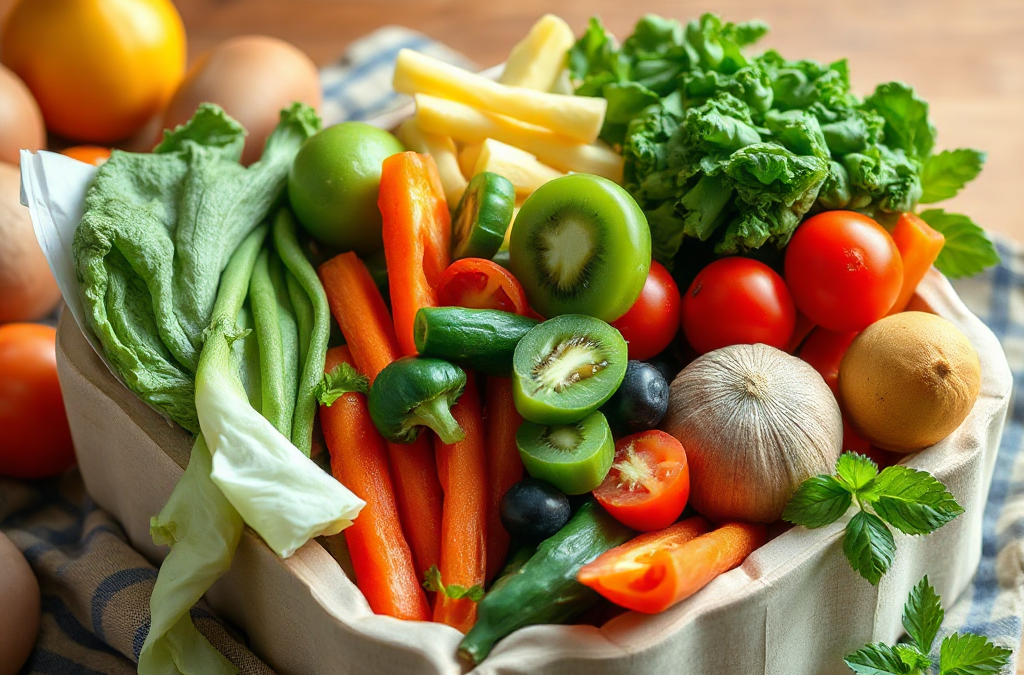
The effects of organic diets on weight management are usually indirect: organic choices may encourage more whole foods and fewer heavily processed products, but weight change still depends mainly on calorie intake, portions, protein, fiber, activity, and consistency.

Aug 9, 2026 | Food
How to incorporate organic foods into busy lifestyles is to prioritize a short list of frequently eaten items, shop from a repeatable plan, and prepare flexible ingredients rather than complete meals. Frozen organic vegetables, canned beans, eggs, oats, fruit, and prewashed greens can reduce cooking and shopping demands, while batch-cooked…
Aug 4, 2026 | Food
The role of organic foods in managing diabetes is mainly indirect: organic certification may reduce exposure to certain agricultural chemicals, but blood glucose is influenced more by carbohydrate amount, fiber, portion size, and overall meal composition.
Aug 3, 2026 | Food
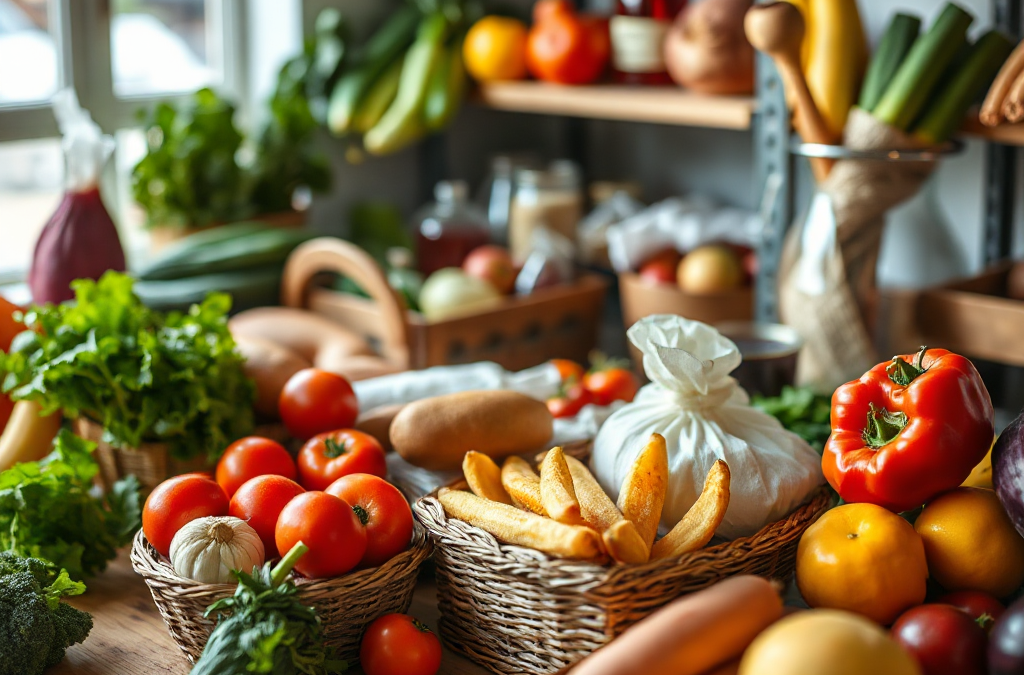
If organic food does not fit your budget, prioritize the foods you buy most often, compare unit prices, choose seasonal or frozen options, and use conventional foods selectively rather than trying to replace everything at once.
Aug 2, 2026 | Food
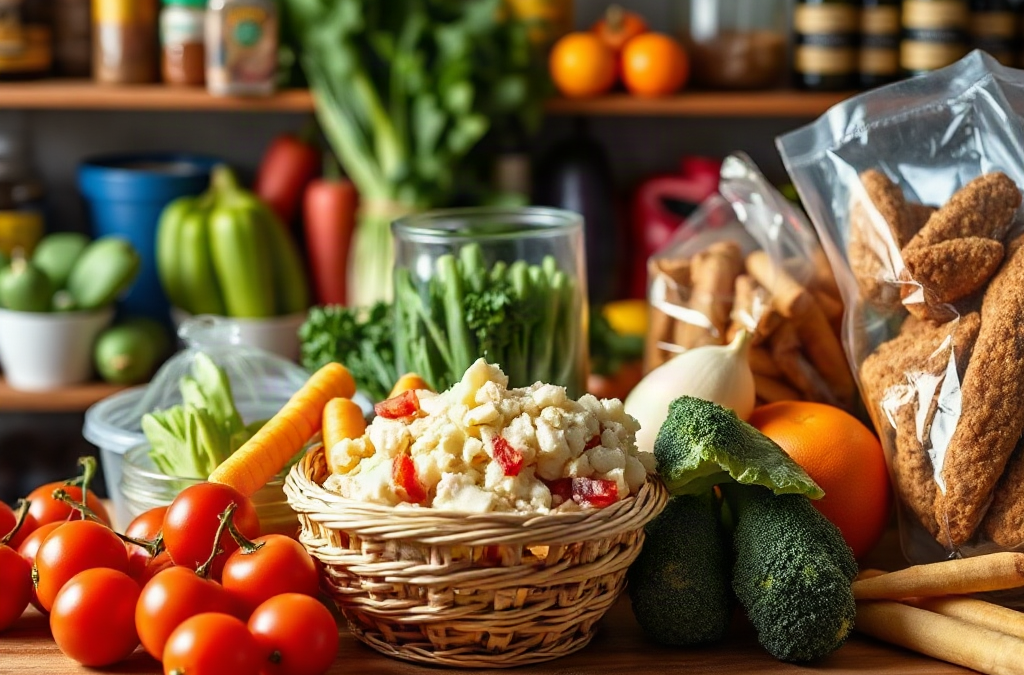
How to identify and avoid harmful additives in organic foods comes down to reading the full ingredient list, distinguishing certified-organic rules from health claims, and judging each additive by its purpose and your own sensitivity.
Aug 2, 2026 | Food
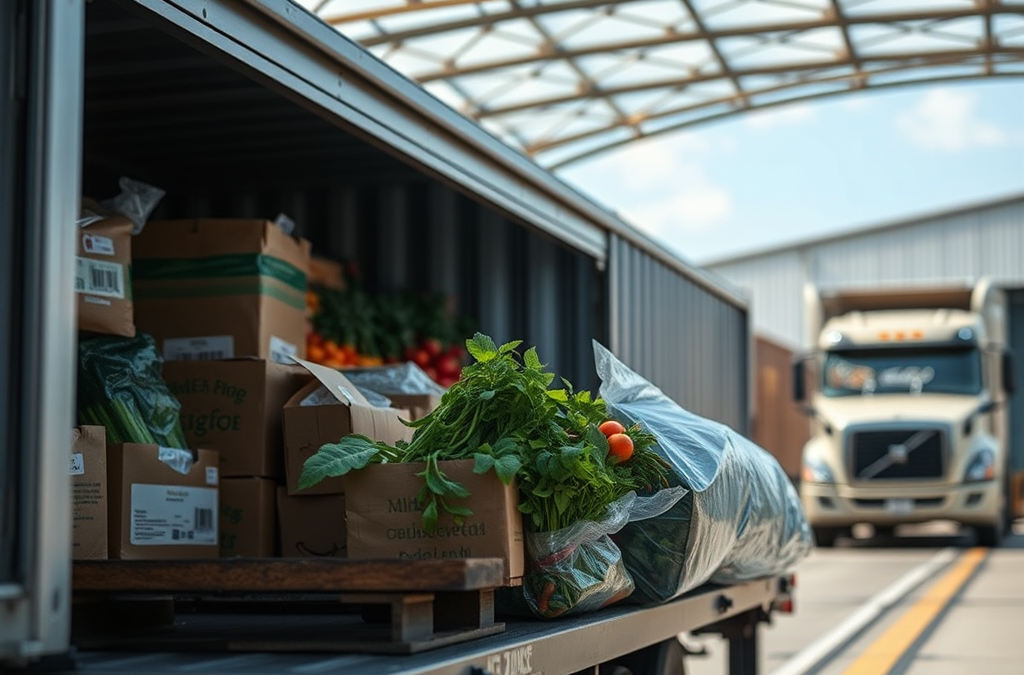
The environmental impact of transporting organic foods depends on transport distance, shipment size, refrigeration, packaging, and whether air freight is involved, not on the organic label alone. Organic production may reduce some farm-related impacts, but trucking, air cargo, cold storage, and inefficient last-mile delivery can add substantial emissions.