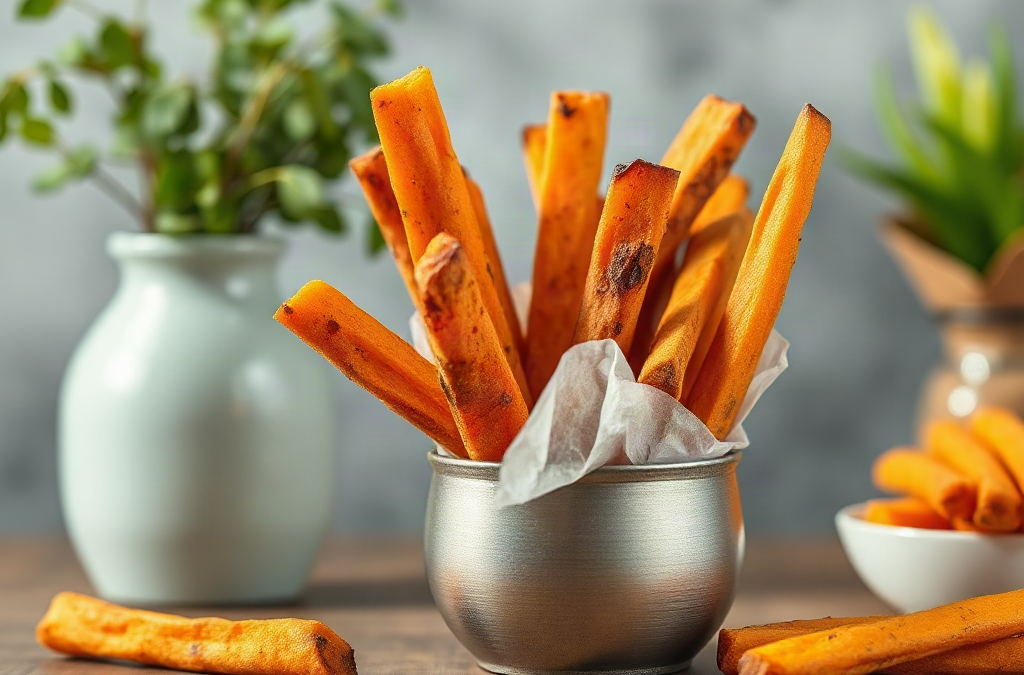
Healthier Snacking With Organic Sweet Potato Sticks: Crunch, Portions, And Smart Pairings
Explore healthier snacking with organic sweet potato sticks through why sweet potato sticks can, considering the conditions that change the outcome.

Explore healthier snacking with organic sweet potato sticks through why sweet potato sticks can, considering the conditions that change the outcome.
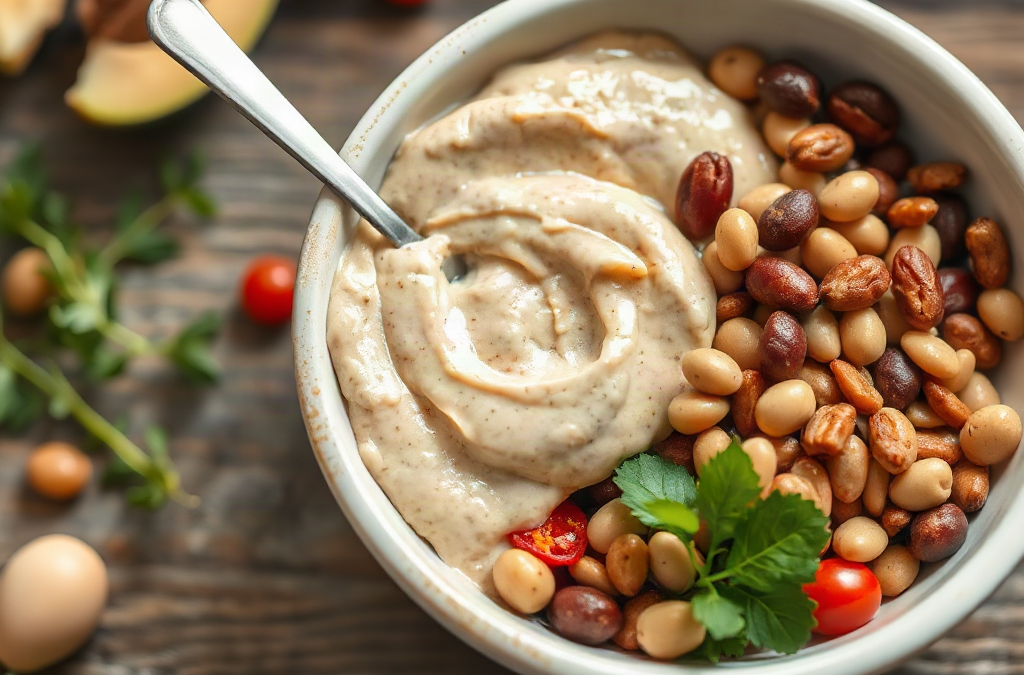
Organic tahini uses in balanced meals include creamy sauces, breakfast toppings, grain bowls, and pairings with beans, lentils, vegetables, or whole grains. Its sesame-seed base contributes unsaturated fat, some protein, and minerals, while its dense texture adds richness without relying on dairy.
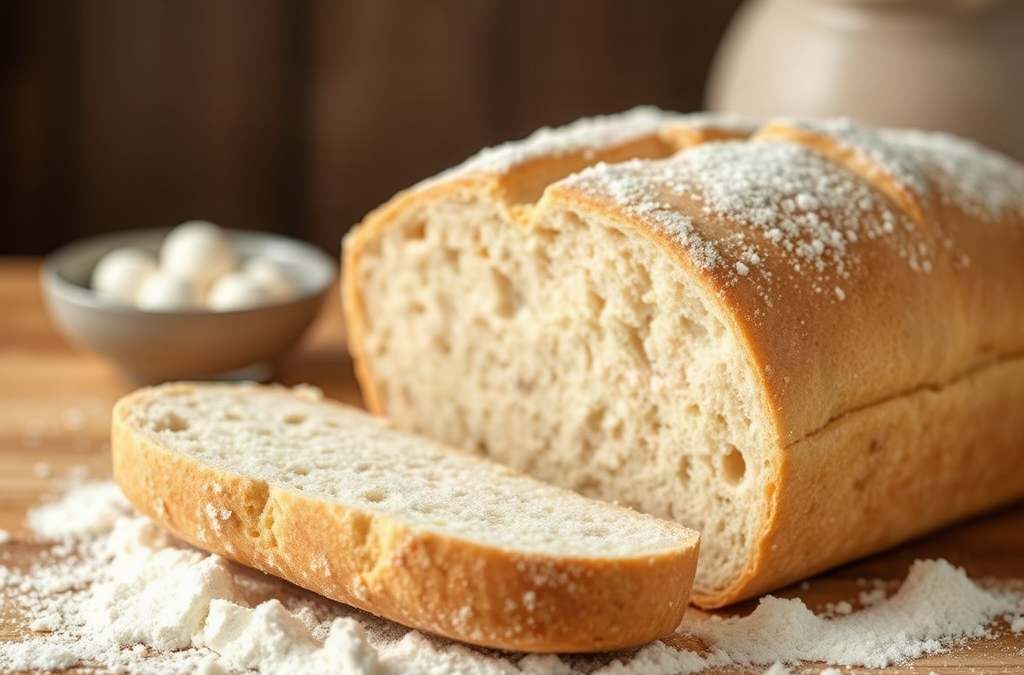
Organic bread flour can produce better homemade loaves when its protein strength, hydration, fermentation, and mixing are matched to the recipe. The flour’s gluten-forming proteins help dough retain carbon dioxide, while adequate water allows bran-free wheat particles to hydrate and the crumb to develop.
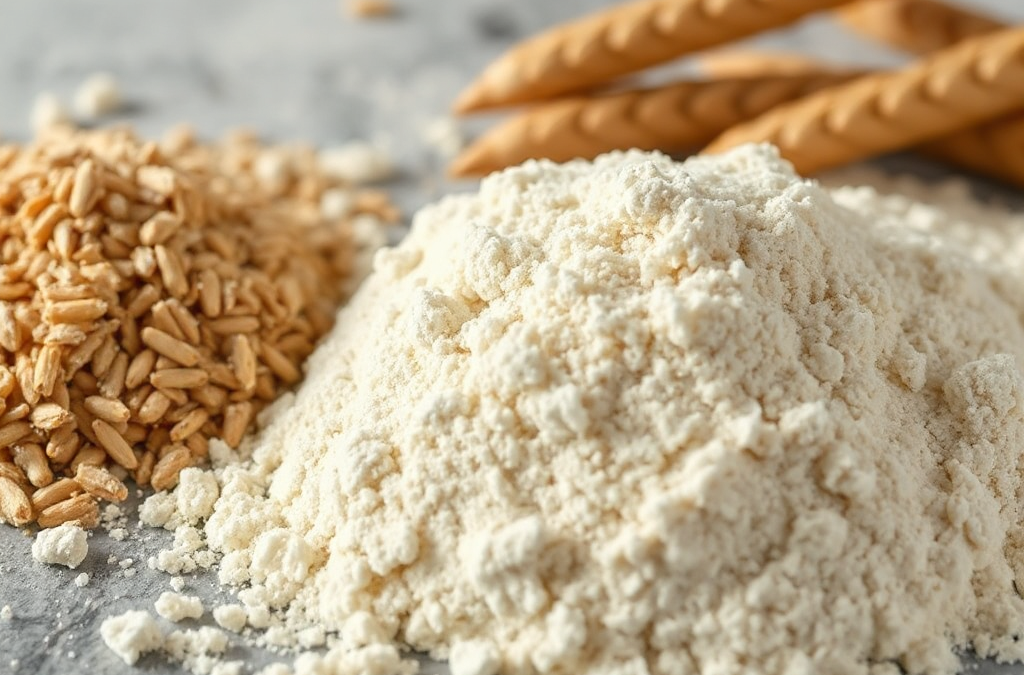
Organic whole wheat flour versus refined flour is mainly a choice between retaining the wheat kernel’s bran and germ or removing them before milling, which changes fiber, micronutrients, flavor, texture, and shelf life. Whole wheat flour generally provides more fiber and a denser, nuttier bake, while refined flour produces lighter…
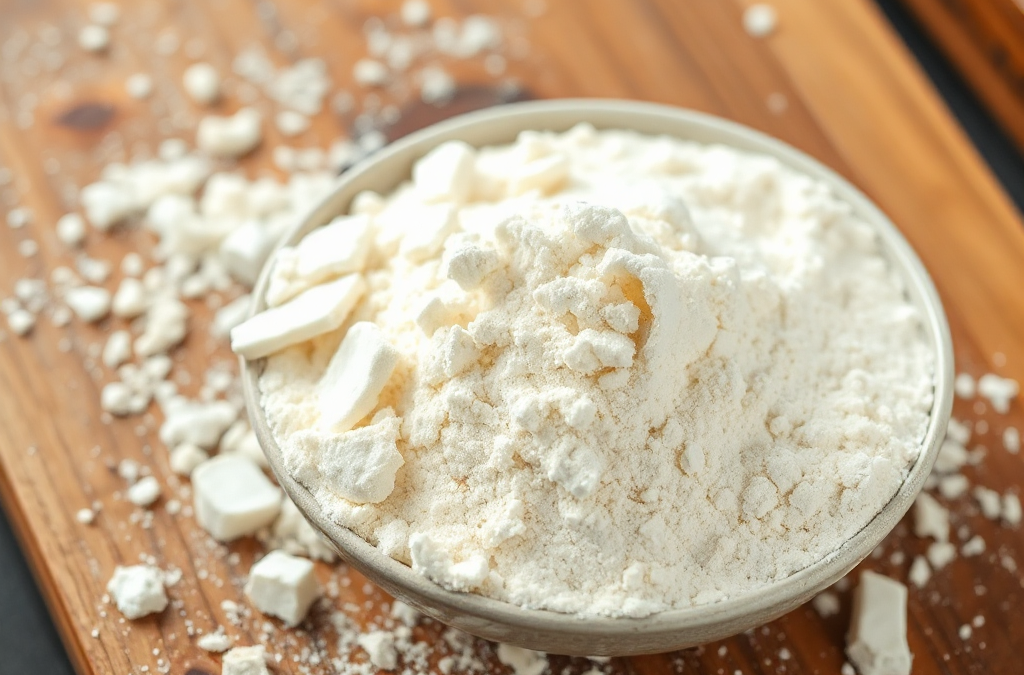
Organic all-purpose flour for everyday baking is a versatile pantry staple for cookies, cakes, muffins, quick breads, pancakes, and many simple doughs, provided you measure it accurately and adjust for hydration when needed. Its organic certification concerns farming and handling standards, not a guarantee of lighter texture, higher nutrition, or…
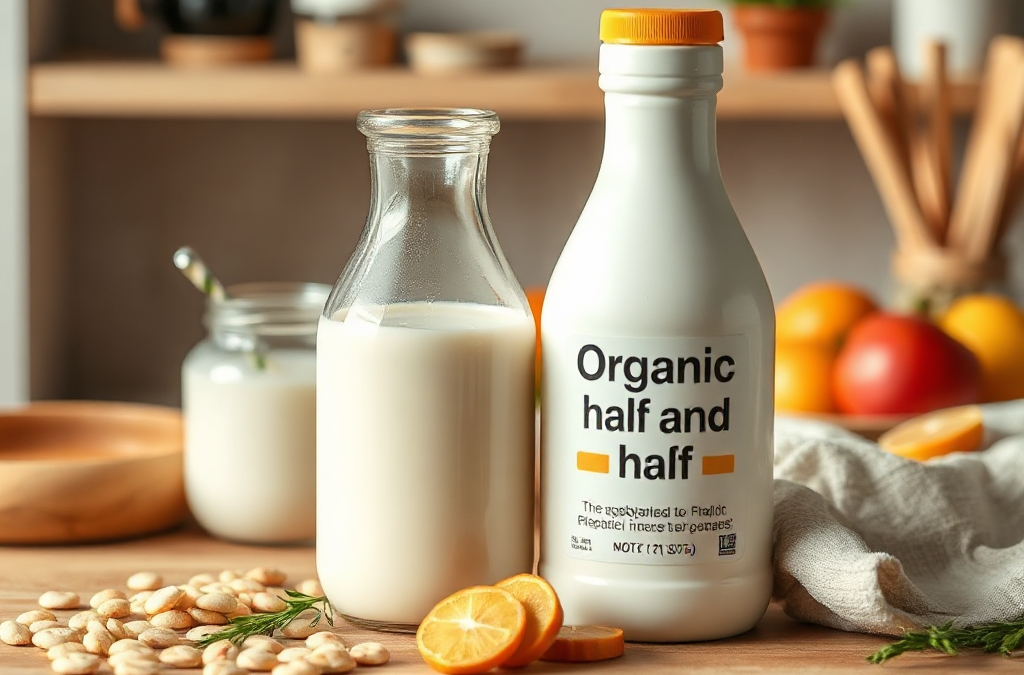
Organic half and half is usually not nutritionally different from conventional half and half because both are primarily a mixture of milk and cream, with similar calories, fat, protein, and carbohydrate amounts. The meaningful differences usually involve organic production standards, permitted feed and farming practices, ingredient lists, and sometimes small…