Oct 5, 2026 | Organic Nutrition
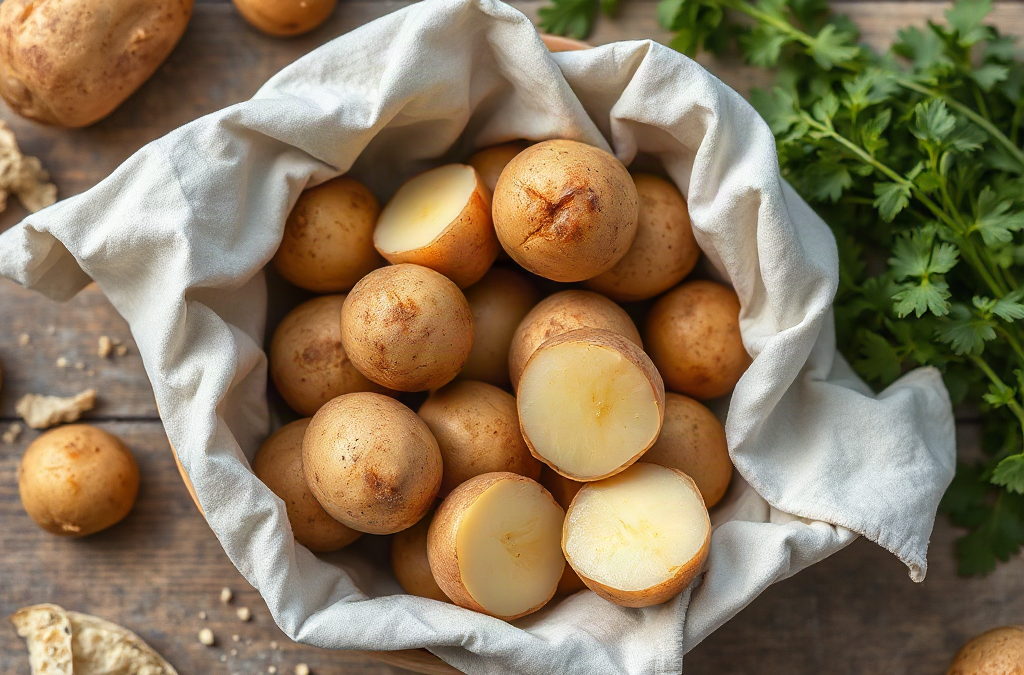
Organic potatoes make filling, nutrient-rich meals when they are cooked with their skins, paired with protein and vegetables, and served in portions that fit the rest of the plate. Potatoes provide carbohydrate, potassium, vitamin C, vitamin B6, and some fiber, while beans, eggs, fish, yogurt, or tofu improve protein balance and staying power.
Oct 5, 2026 | Organic Nutrition
Beyond organic claims, better buying decisions come from checking certification scope, ingredient quality, nutrient value, processing, price, and the product’s role in your meals. The organic seal addresses defined production practices, but it does not automatically mean a packaged item is nutritious, minimally processed, locally grown, or worth a large premium.
Oct 2, 2026 | Organic Nutrition
Organic bone broth nutrition and label checks should focus on protein per serving, sodium, serving size, ingredient order, organic certification, and storage requirements rather than front-label claims. Protein varies because recipes, bone-to-water ratios, and processing methods differ, while sodium can rise sharply when salt or concentrates are added.
Oct 1, 2026 | Organic Nutrition
Other names for organic on food labels do not necessarily mean the product is certified organic: terms such as natural, clean, pesticide-free, non-GMO, regenerative, and locally grown describe different qualities or may lack a standard definition.
Sep 30, 2026 | Organic Nutrition
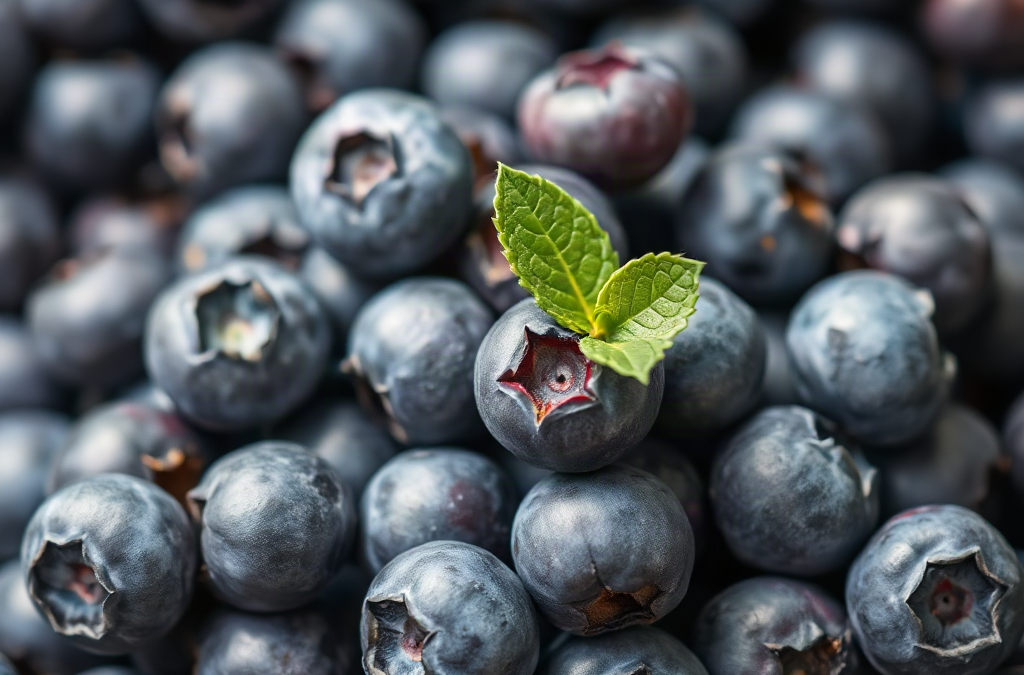
Organic blueberries are nutritionally most similar when fresh and frozen, while drying and juicing change their fiber, sugar concentration, texture, and practical uses. Fresh berries suit snacking and uncooked dishes; frozen berries retain useful nutrients and work well in oatmeal, smoothies, sauces, and baking.
Sep 29, 2026 | Organic Nutrition
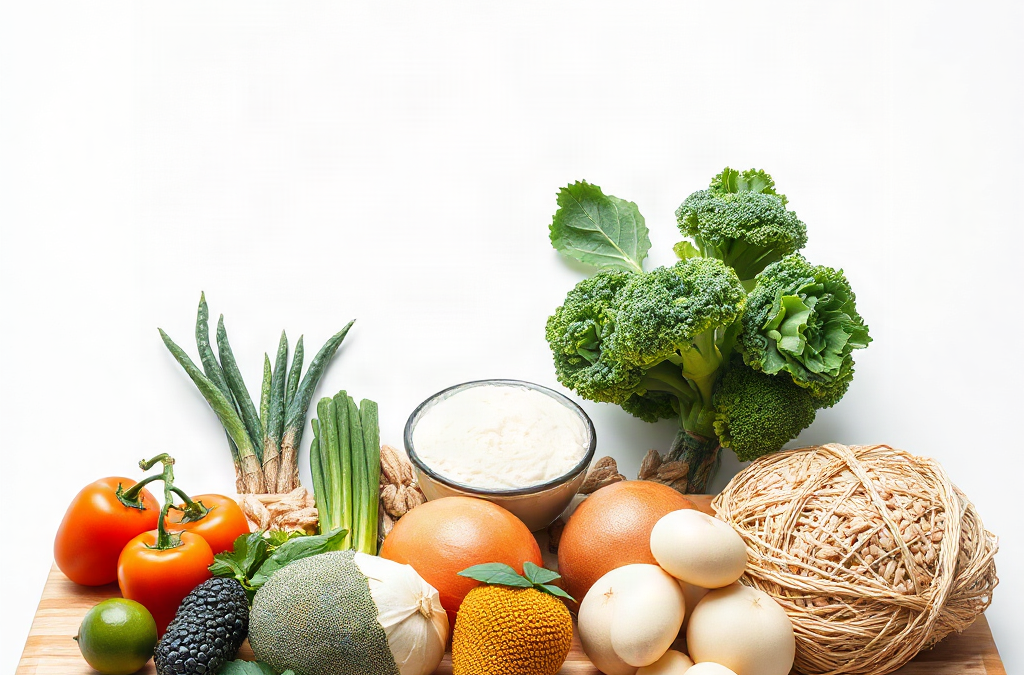
Organic nutrition for good health should prioritize a varied diet of vegetables, fruit, whole grains, legumes, nuts, seeds, and suitable protein sources rather than treating the organic label as proof of nutritional quality. Organic certification addresses production methods, while fiber, protein, unsaturated fats, vitamins, minerals, added sugar, sodium, and overall…