Oct 11, 2026 | Organic Nutrition
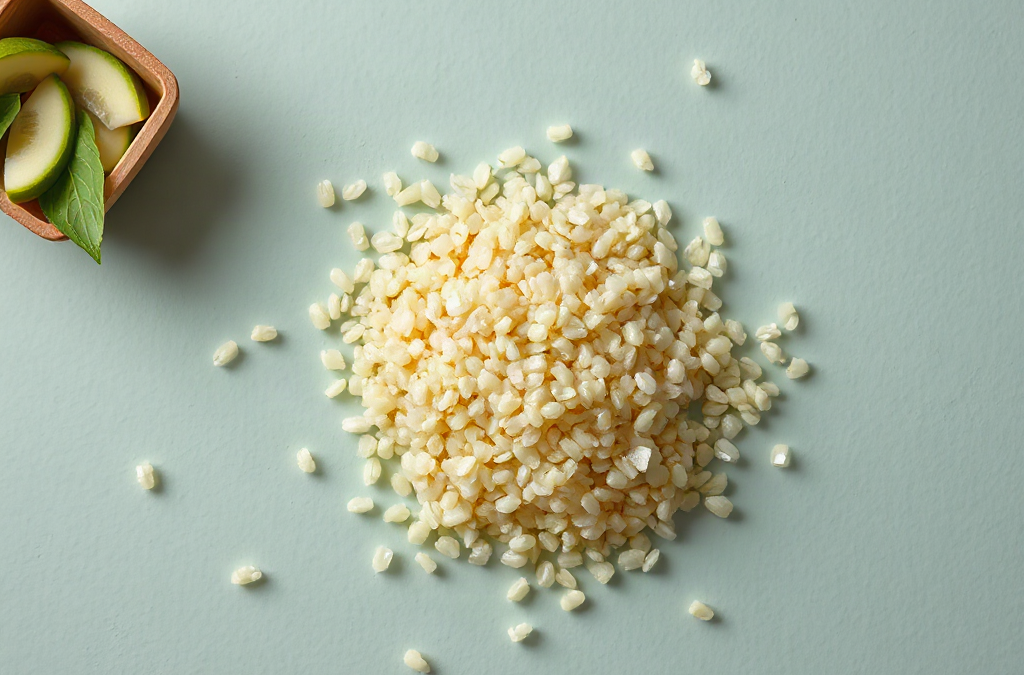
Organic quinoa supports balanced meal planning when it is treated as a versatile whole-grain base and paired with vegetables, a substantial protein source, and a flavorful fat or sauce. Its carbohydrate, fiber, and plant-protein content makes it useful in grain bowls, salads, soups, and breakfasts, but quinoa alone does not create a complete meal.
Oct 10, 2026 | Organic Nutrition
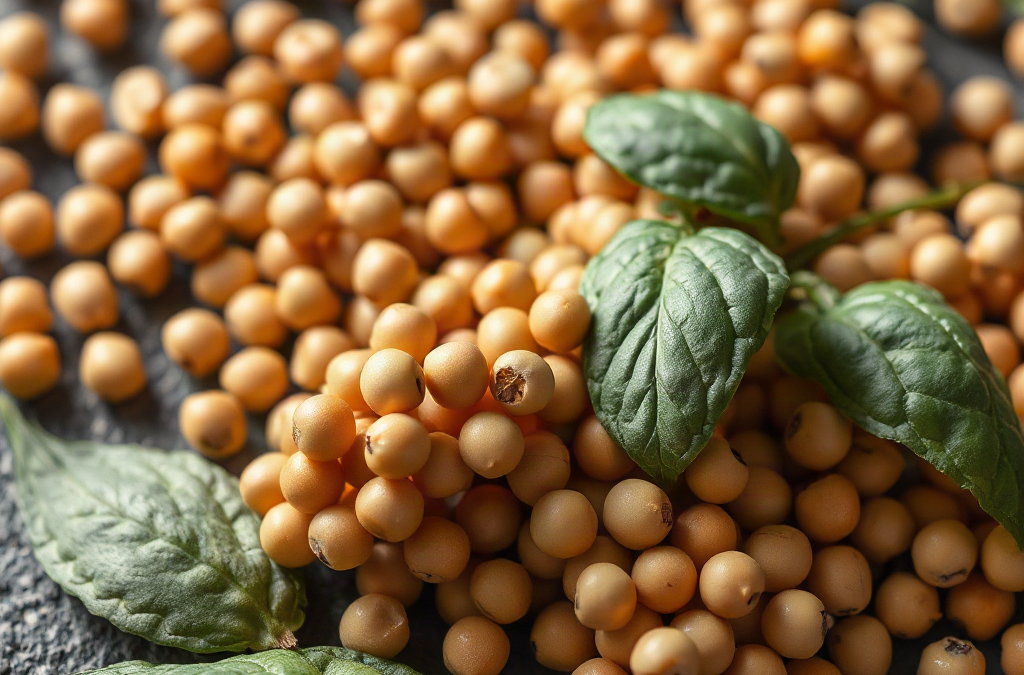
Organic soybeans are a complete plant protein source because they provide all nine essential amino acids that adults must obtain from food. Whole cooked soybeans, edamame, tofu, tempeh, and unsweetened soy milk can contribute protein, although serving size and processing affect the amount delivered.
Oct 9, 2026 | Organic Nutrition
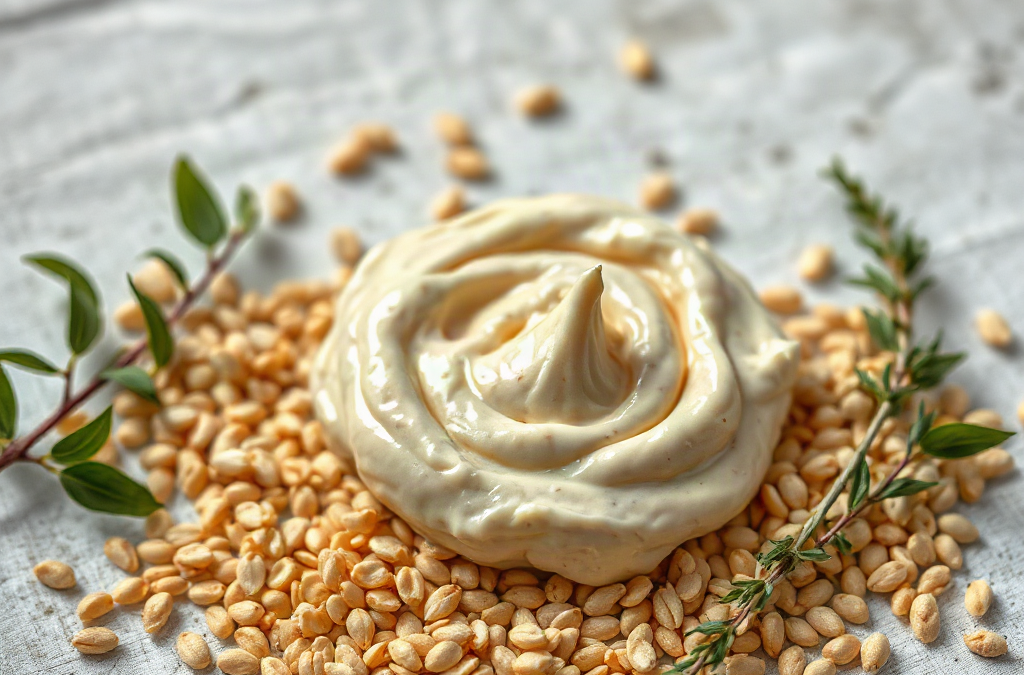
Organic tahini nutrition and ingredient checks should focus on sesame content, serving size, fat and protein values, added oil or salt, and a credible organic certification statement. A simple product made only from organic sesame seeds usually provides unsaturated fat, some protein, minerals, and the characteristic bitterness of ground sesame without needing sweeteners or stabilizers.
Oct 8, 2026 | Organic Nutrition
Strictly organic claims are marketing language, while certified organic status indicates that a farm or business has been verified under a defined regulatory program. In the United States, certification generally involves an approved certifying agent, documented production or handling practices, inspections, recordkeeping, and continuing compliance with USDA organic regulations.
Oct 7, 2026 | Organic Nutrition
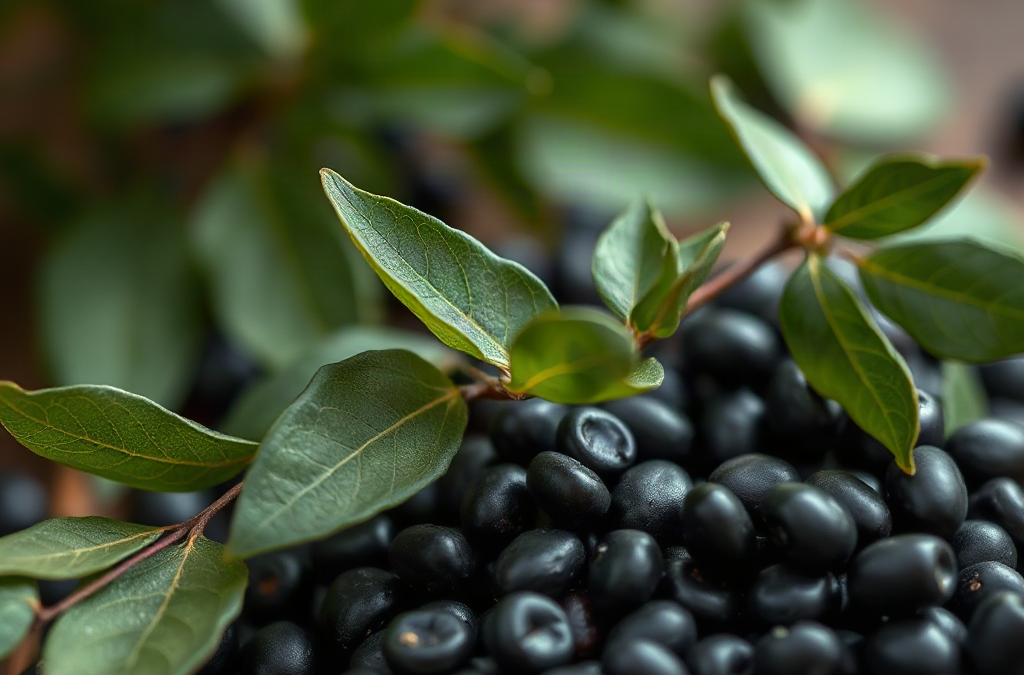
Organic black beans provide fiber and plant protein in the same whole food, making them useful for filling meals built around vegetables, grains, and healthy fats. Their soluble and insoluble fibers contribute to digestive regularity and slower carbohydrate digestion, while their protein adds substance but does not make them nutritionally interchangeable with every animal protein.