Aug 25, 2026 | Organic Nutrition
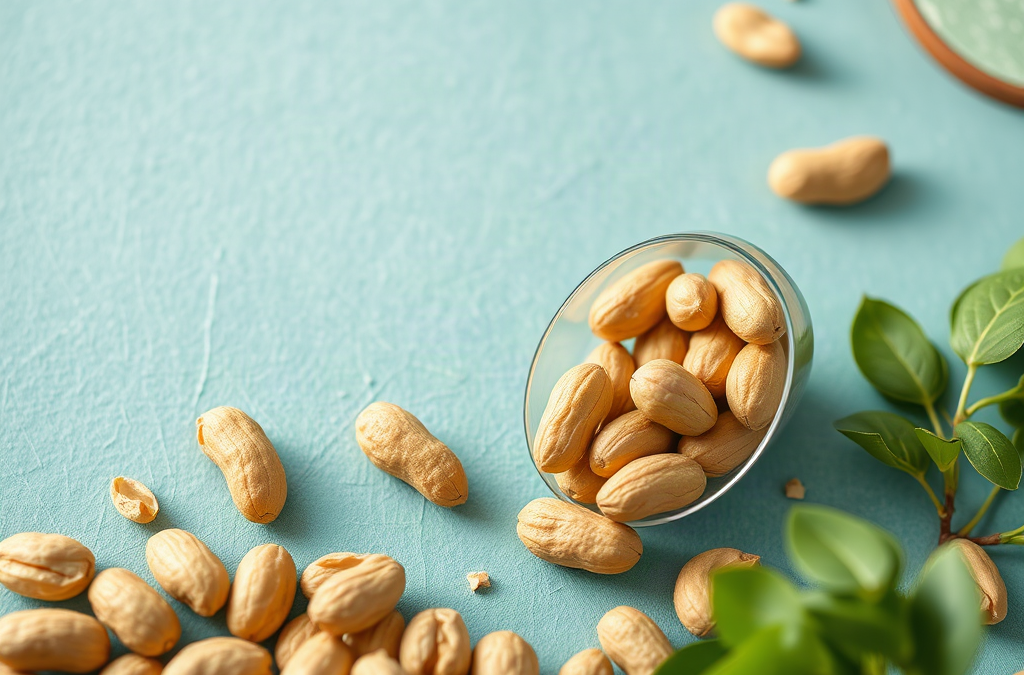
Organic peanuts make practical protein-rich snacks because they combine plant protein, unsaturated fat, fiber, and portability in a food that needs little preparation. Pairing peanuts with fruit, whole-grain crackers, yogurt, or vegetables can create a more balanced snack than eating a sweetened peanut product alone.
Aug 25, 2026 | Organic Nutrition
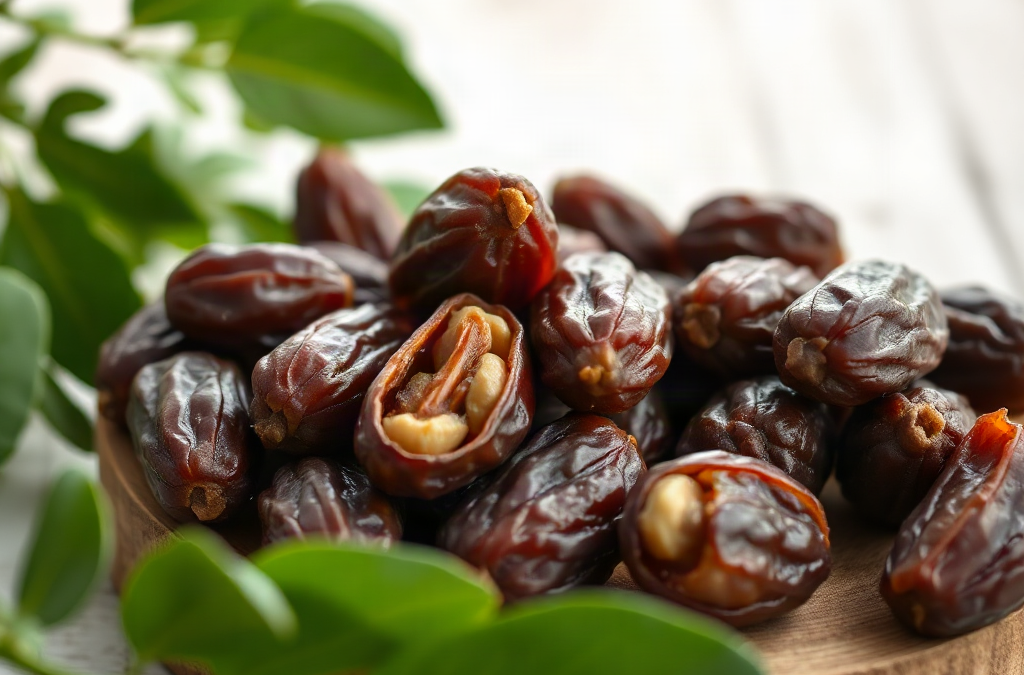
Comparing organic dates with Deglet Noor dates requires separating two different labels: organic describes how the fruit was grown and handled, while Deglet Noor identifies a date variety. An organic Deglet Noor can have the same cultivar characteristics as a conventionally grown Deglet Noor, including a firmer texture, amber color, and mild caramel flavor.
Aug 24, 2026 | Organic Nutrition
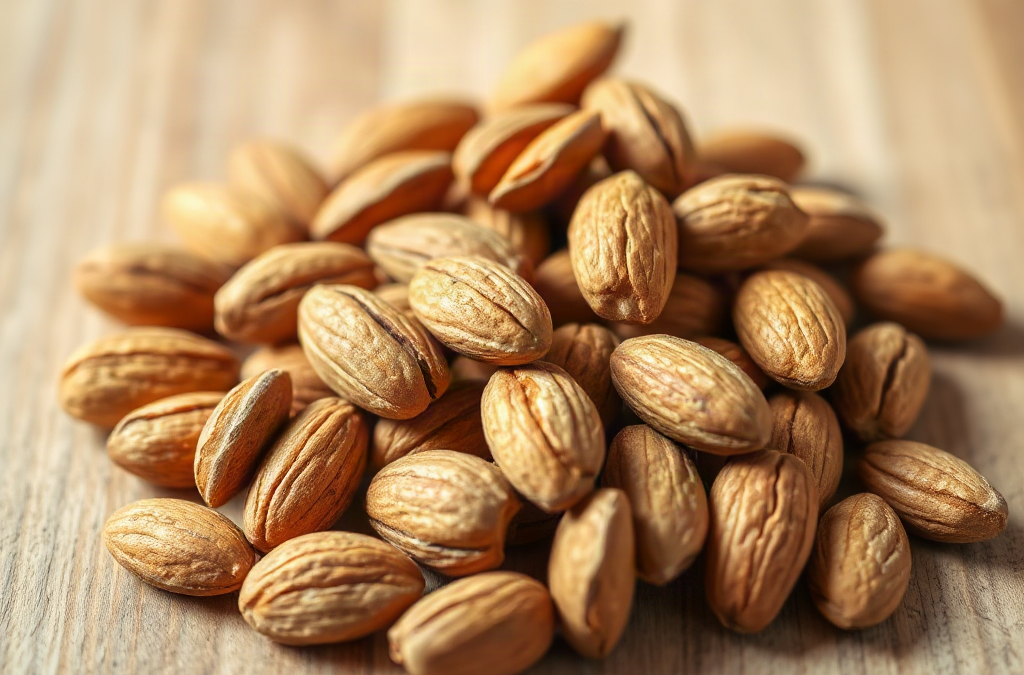
Organic almonds: portions, nutrients, and storage come down to using a modest handful, recognizing their energy-dense mix of unsaturated fat, protein, fiber, vitamin E, and minerals, and protecting them from heat, light, air, and moisture.
Aug 24, 2026 | Cooking
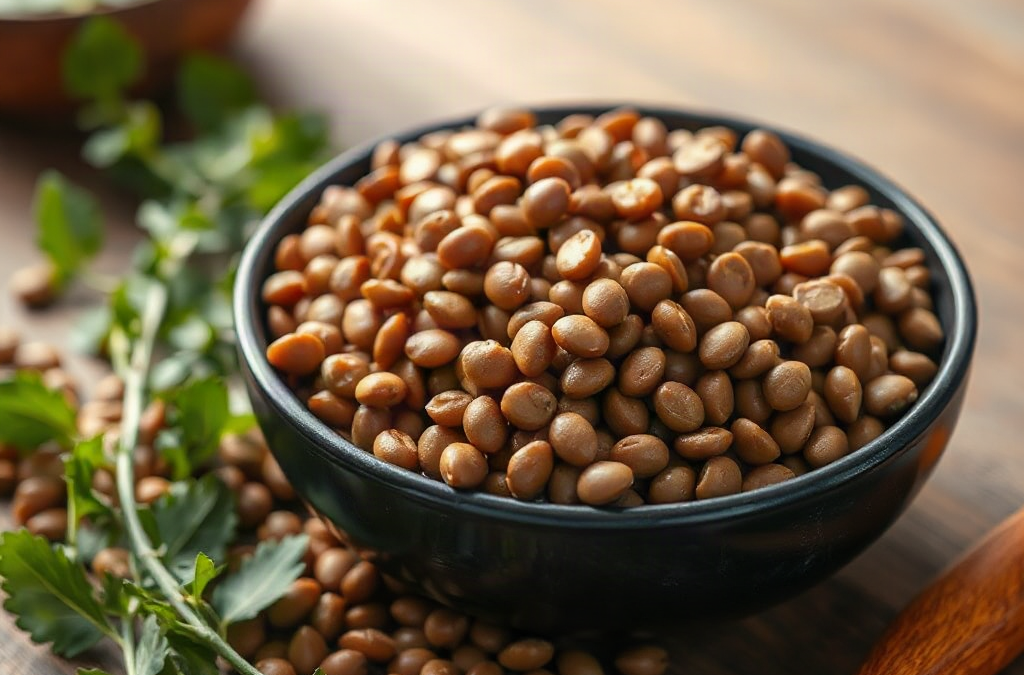
Organic lentils for high-fiber meal planning work best when cooked in batches, portioned across varied dishes, and increased gradually to match digestive tolerance. Their combination of fiber, plant protein, iron, folate, and complex carbohydrates makes them useful in soups, grain bowls, salads, and tomato-based sauces.
Aug 23, 2026 | Cooking
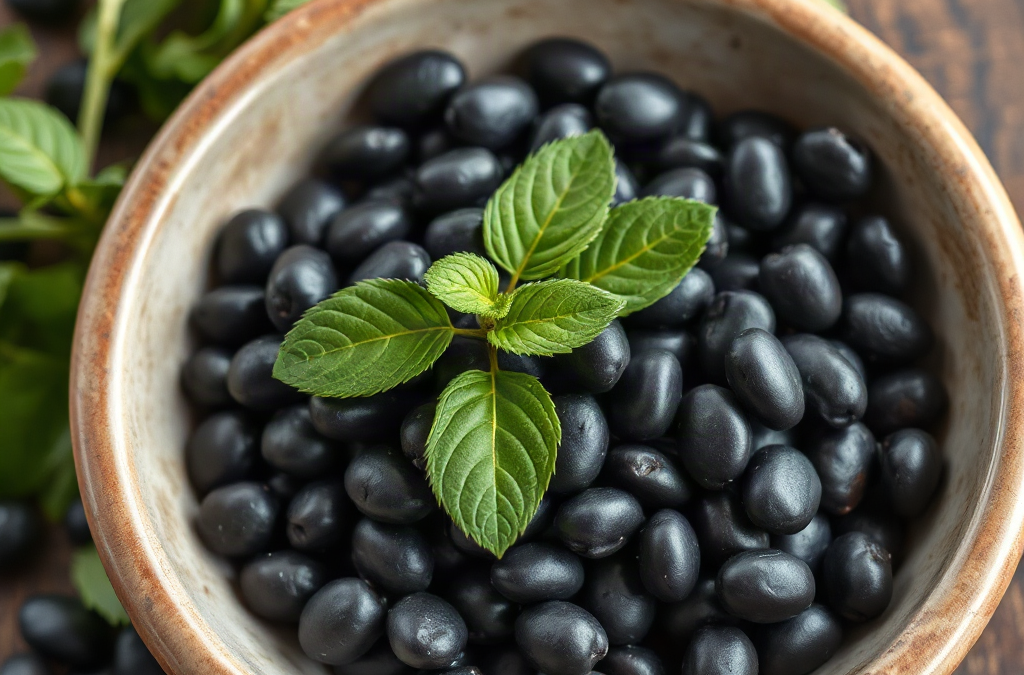
Organic black beans make affordable plant protein practical because they combine protein, fiber, minerals, and versatile cooking uses at a relatively modest food cost. Choose dry beans when the lowest price and ingredient control matter, or canned beans when convenience and reliable portions matter more.



