Aug 2, 2026 | Food
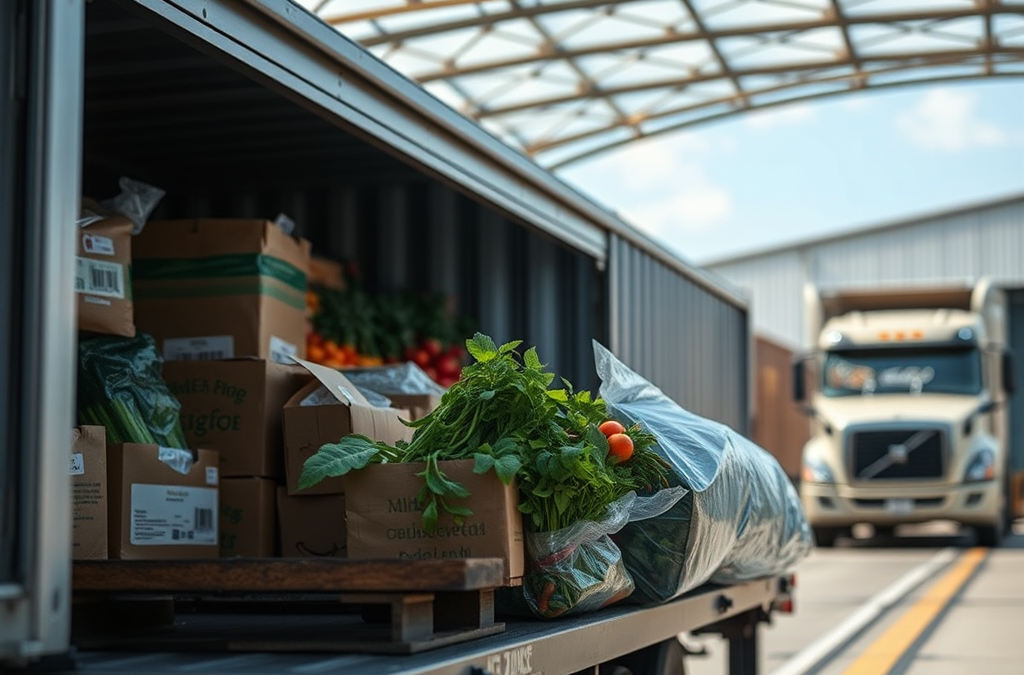
The environmental impact of transporting organic foods depends on transport distance, shipment size, refrigeration, packaging, and whether air freight is involved, not on the organic label alone. Organic production may reduce some farm-related impacts, but trucking, air cargo, cold storage, and inefficient last-mile delivery can add substantial emissions.
Aug 1, 2026 | Organic Nutrition
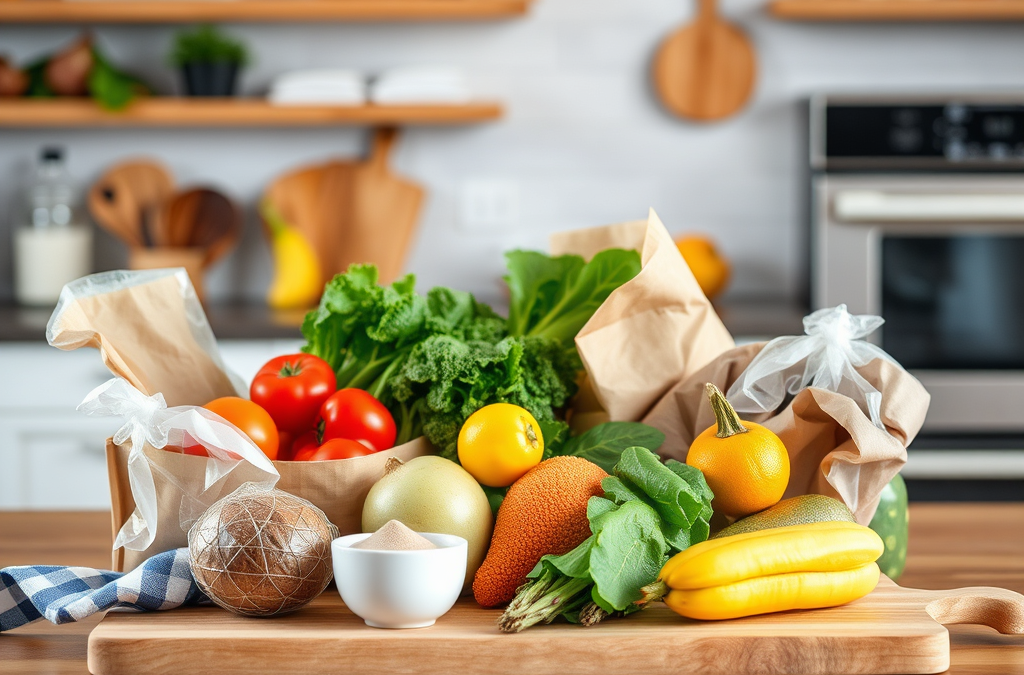
Transition from conventional to organic eating by replacing the foods you buy and eat most often, rather than trying to change your entire kitchen at once. Begin with a two-week food audit, prioritize frequently eaten produce and animal products within your budget, and compare certified organic labels with ingredient lists and prices.
Aug 1, 2026 | Organic Nutrition
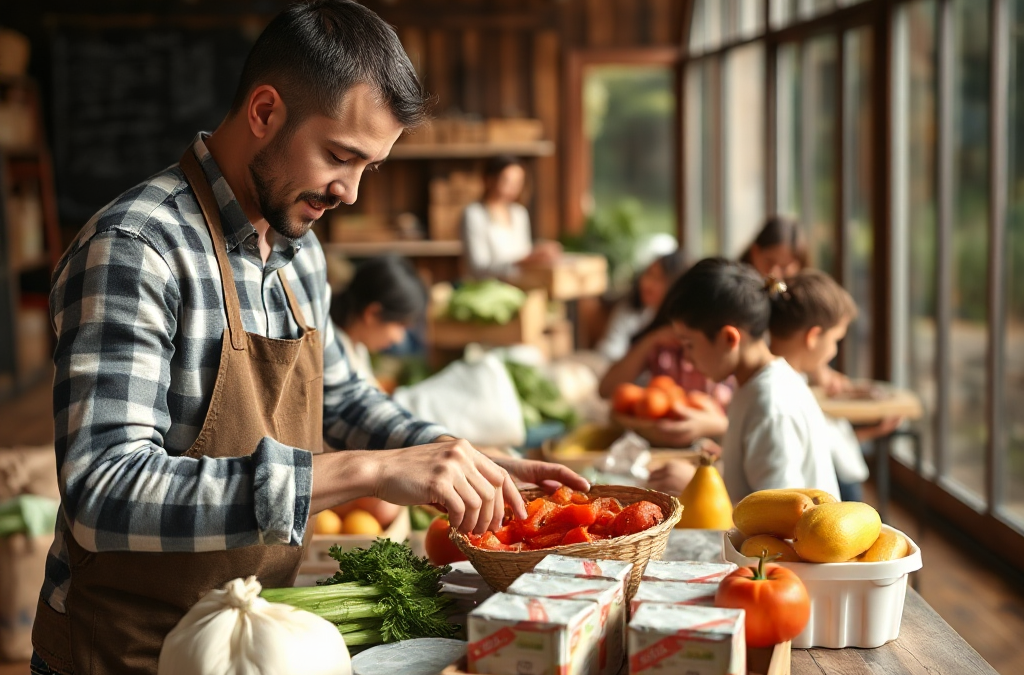
The importance of community-supported agriculture for organic eating lies in connecting households with local farms while making organic sourcing, seasonal eating, and farm practices easier to evaluate. A CSA share can shorten the path between harvest and kitchen, expose members to a wider range of vegetables, and give farmers earlier…
Aug 1, 2026 | Food
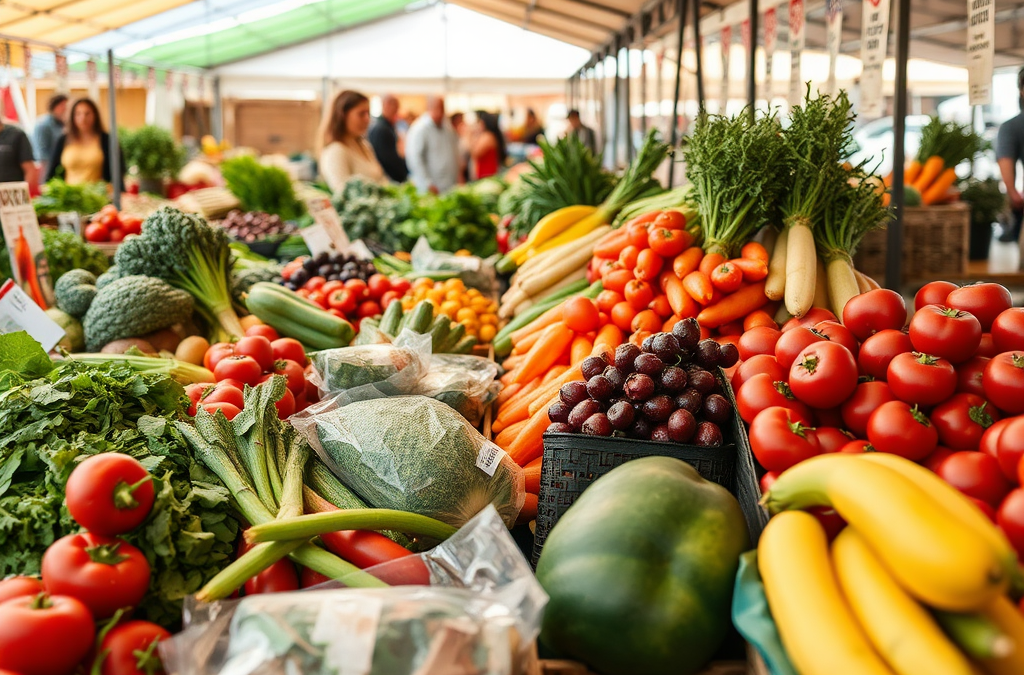
Assessing the quality of organic food at farmers’ markets means verifying the farm’s organic claim, examining freshness and handling, and asking how the item was grown, harvested, and stored. Look for a specific farm name, clear answers about certification or production methods, firm produce with natural color, clean displays, and sensible refrigeration for perishable foods.
Aug 1, 2026 | Organic Nutrition
The relationship between organic farming and animal welfare is generally strongest when organic rules are paired with attentive daily care, because outdoor access, organic feed requirements, and restrictions on routine inputs can support more natural living conditions without guaranteeing good treatment.