Sep 28, 2026 | Healthy Eating, Organic Nutrition
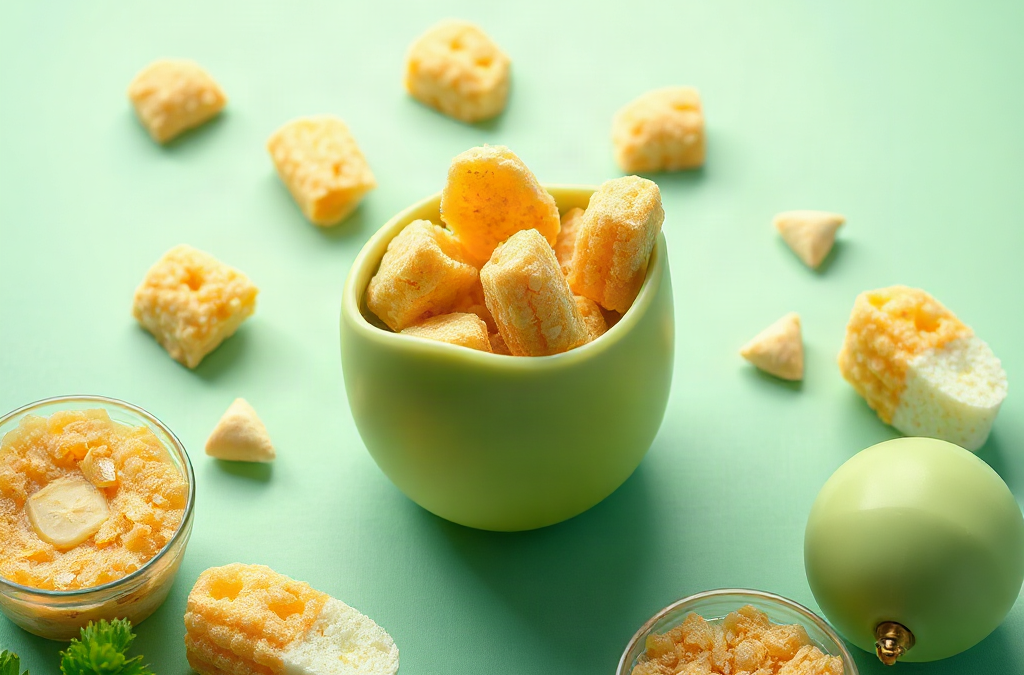
Organic snacks with less added sugar are best identified through seven label checks: added sugars, serving size, ingredient order, total carbohydrate, fiber, protein, and portion format. Organic certification addresses how qualifying ingredients are produced, but it does not mean a snack is low in sugar or minimally processed.
Sep 26, 2026 | Food
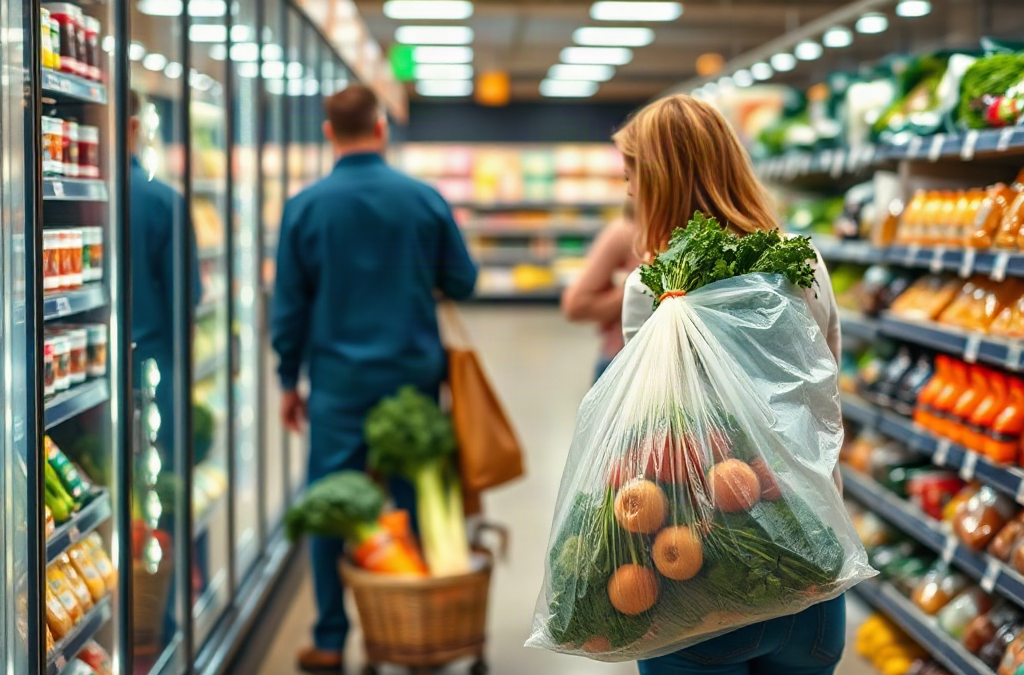
Shopping trip routes that protect frozen organic foods place the freezer aisle last, move directly from checkout to a pre-cooled insulated bag, and make home the next stop. Group frozen vegetables, fruit, meals, and desserts together so the packages help retain cold, while separating them from hot prepared items.
Sep 25, 2026 | Nutrition
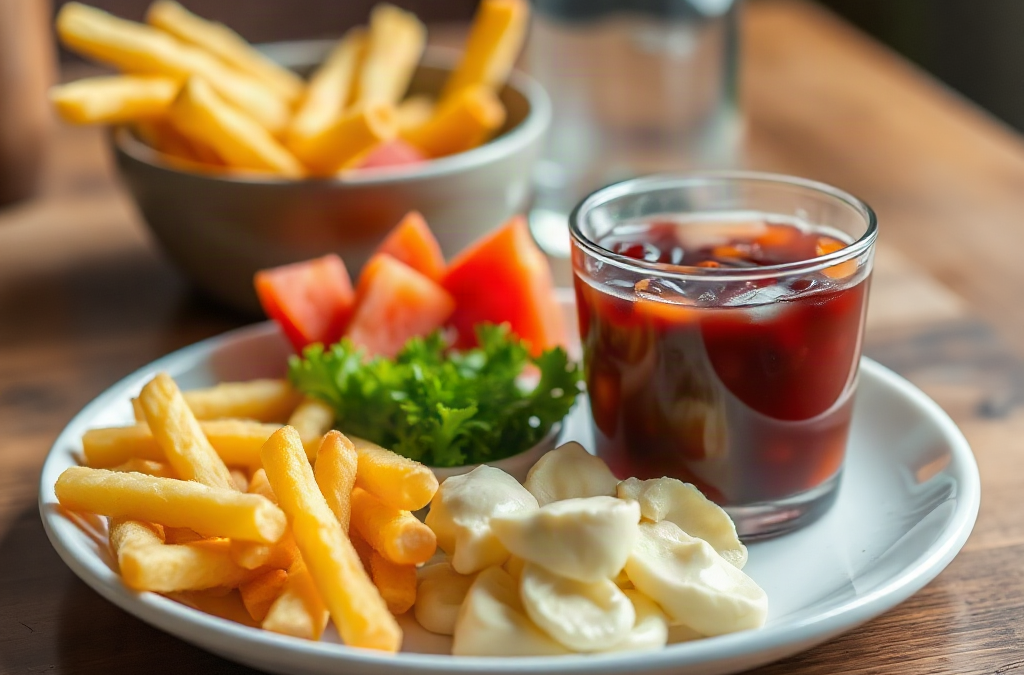
Nutrition label serving sizes and actual portions often differ because the label uses a standardized reference amount, while a portion is the quantity someone chooses to eat or drink. To calculate what you consumed, compare your portion with the listed serving size, determine the number of servings, and multiply the…
Sep 25, 2026 | Food
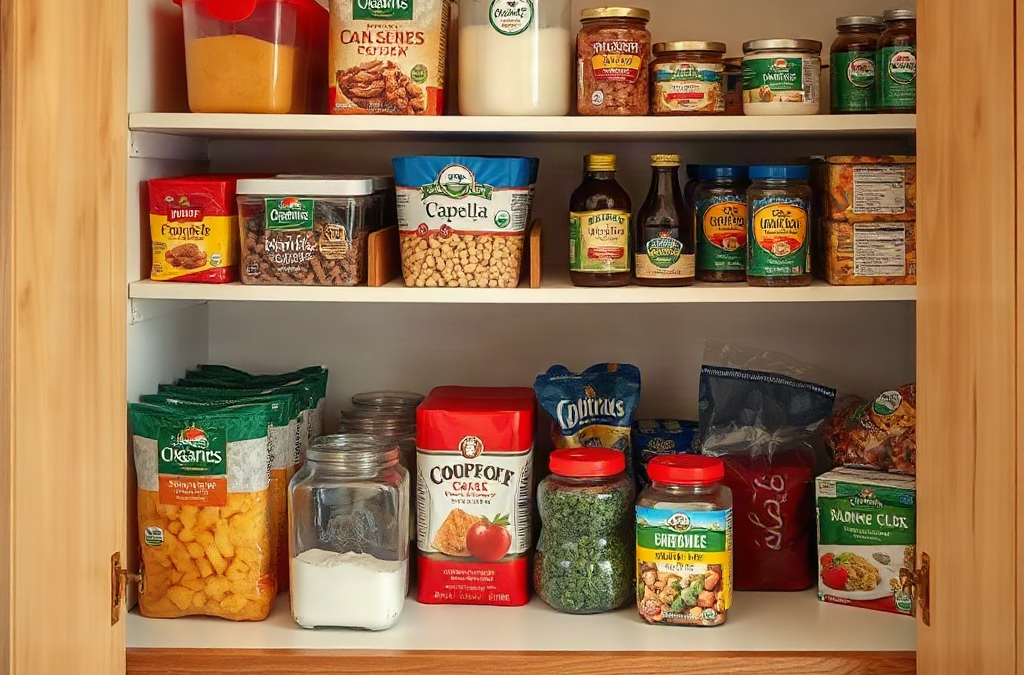
A practical home pantry rotation system for organic staples uses three zones: everyday stock, reserve packages, and use-first items nearing their quality date. Record purchase or opening dates, place older packages ahead of newer ones, and inspect grains, flours, nuts, oils, beans, and dried fruit for moisture, pests, damaged seals, or rancid odors before use.
Sep 24, 2026 | Nutrition
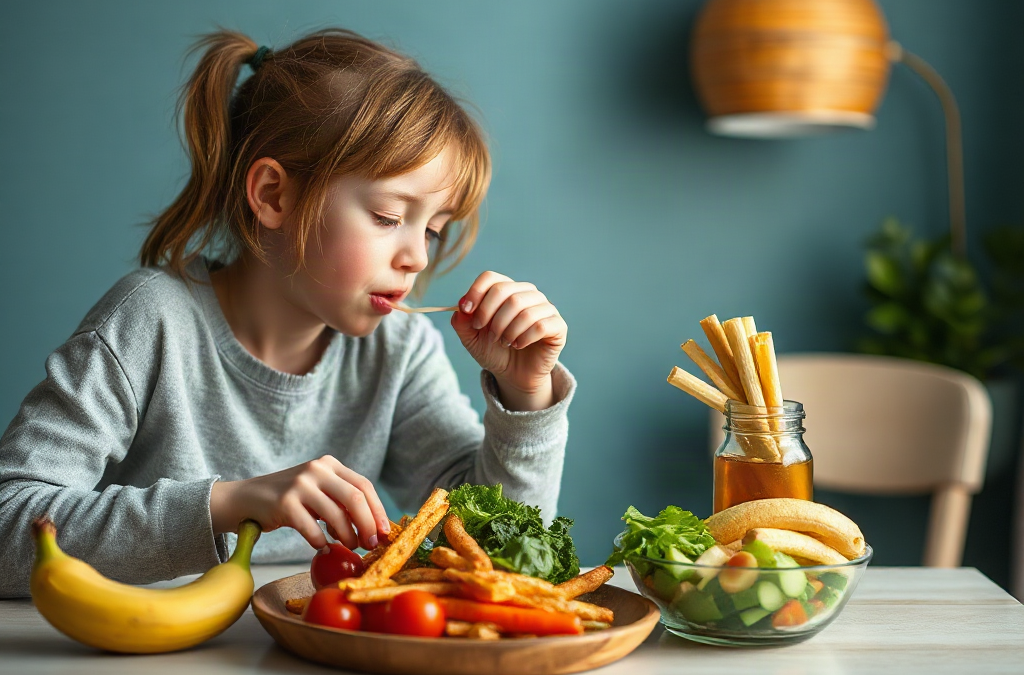
Appetite changes during illness call for a flexible nutrient-coverage plan built around hydration, tolerated foods, protein, and energy rather than forcing normal meals. Fever, nausea, congestion, pain, medication effects, and altered taste can reduce intake, while vomiting or diarrhea may increase fluid and electrolyte losses.