Oct 3, 2026 | Healthy Eating
Organic tofu can anchor balanced plant protein meals when it is paired with vegetables, a satisfying carbohydrate, dietary fat, and varied plant foods across the day. Tofu supplies complete soy protein, while calcium content varies by coagulant and sodium varies among plain, seasoned, smoked, and prepared products.
Oct 2, 2026 | Organic Nutrition
Organic bone broth nutrition and label checks should focus on protein per serving, sodium, serving size, ingredient order, organic certification, and storage requirements rather than front-label claims. Protein varies because recipes, bone-to-water ratios, and processing methods differ, while sodium can rise sharply when salt or concentrates are added.
Oct 1, 2026 | Organic Nutrition
Other names for organic on food labels do not necessarily mean the product is certified organic: terms such as natural, clean, pesticide-free, non-GMO, regenerative, and locally grown describe different qualities or may lack a standard definition.
Sep 30, 2026 | Organic Nutrition
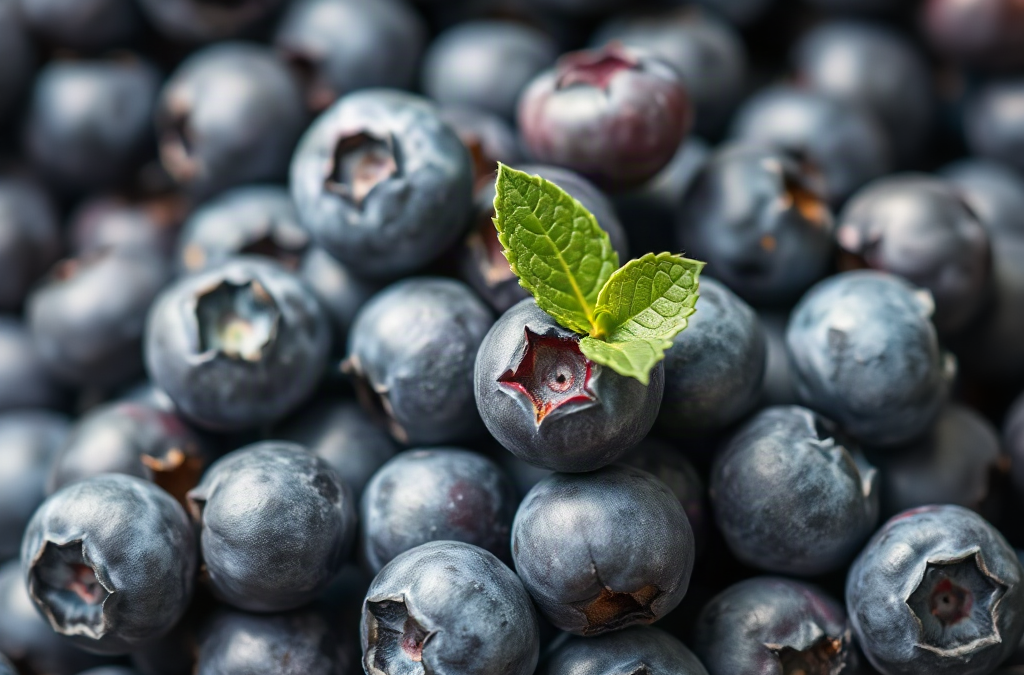
Organic blueberries are nutritionally most similar when fresh and frozen, while drying and juicing change their fiber, sugar concentration, texture, and practical uses. Fresh berries suit snacking and uncooked dishes; frozen berries retain useful nutrients and work well in oatmeal, smoothies, sauces, and baking.
Sep 29, 2026 | Organic Nutrition
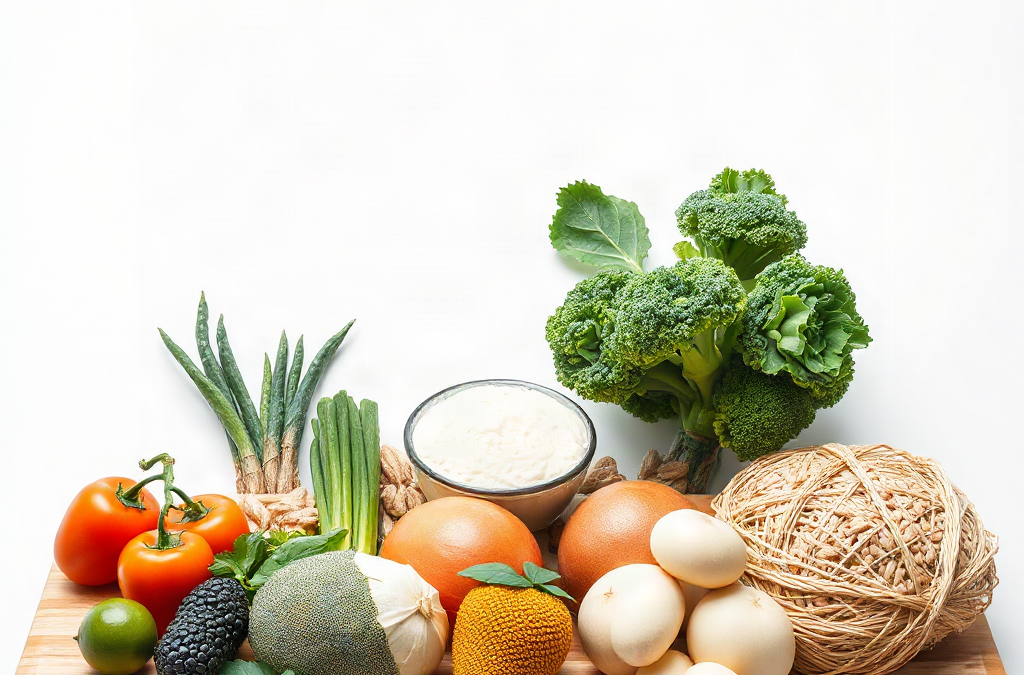
Organic nutrition for good health should prioritize a varied diet of vegetables, fruit, whole grains, legumes, nuts, seeds, and suitable protein sources rather than treating the organic label as proof of nutritional quality. Organic certification addresses production methods, while fiber, protein, unsaturated fats, vitamins, minerals, added sugar, sodium, and overall…