Sep 6, 2026 | Food
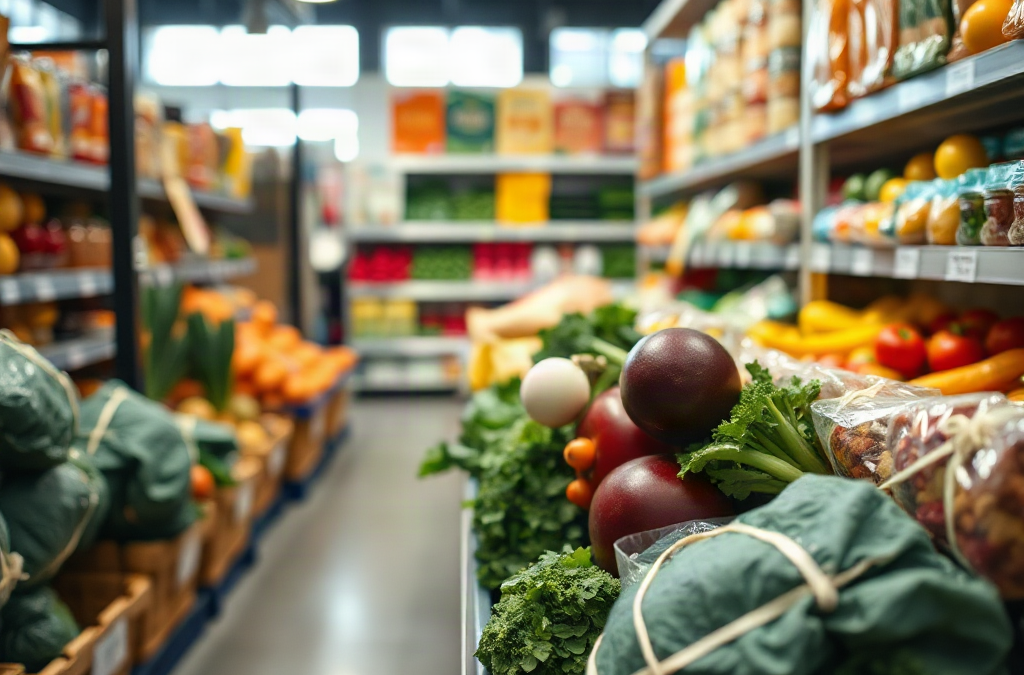
Bioengineered food ingredients on labels identify foods that contain detectable genetic material changed through certain laboratory techniques, while the disclosure itself does not indicate whether a product is nutritious, safe, organic, or highly processed. The wording may appear as “bioengineered food,” a symbol, or an electronic or phone-based link, depending…
Sep 6, 2026 | Food
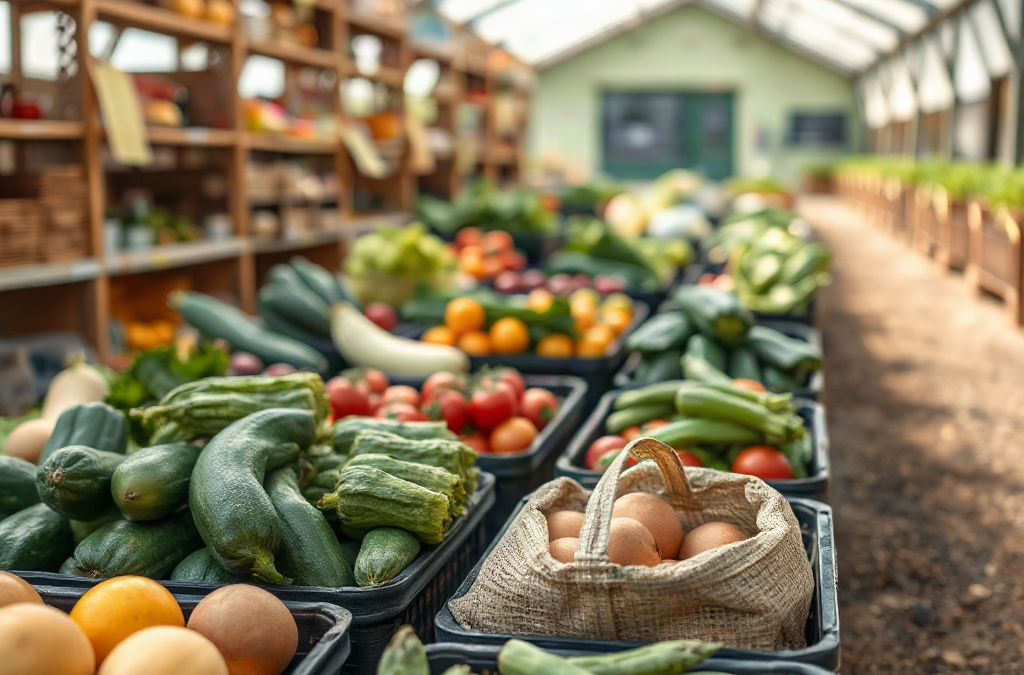
Organic food does not mean pesticide-free; it means production follows certified standards that restrict which pesticides and farming methods may be used. Organic growers can use certain naturally derived and approved synthetic substances when prevention, crop rotation, barriers, or other methods do not adequately control pests.
Sep 5, 2026 | Organic Nutrition
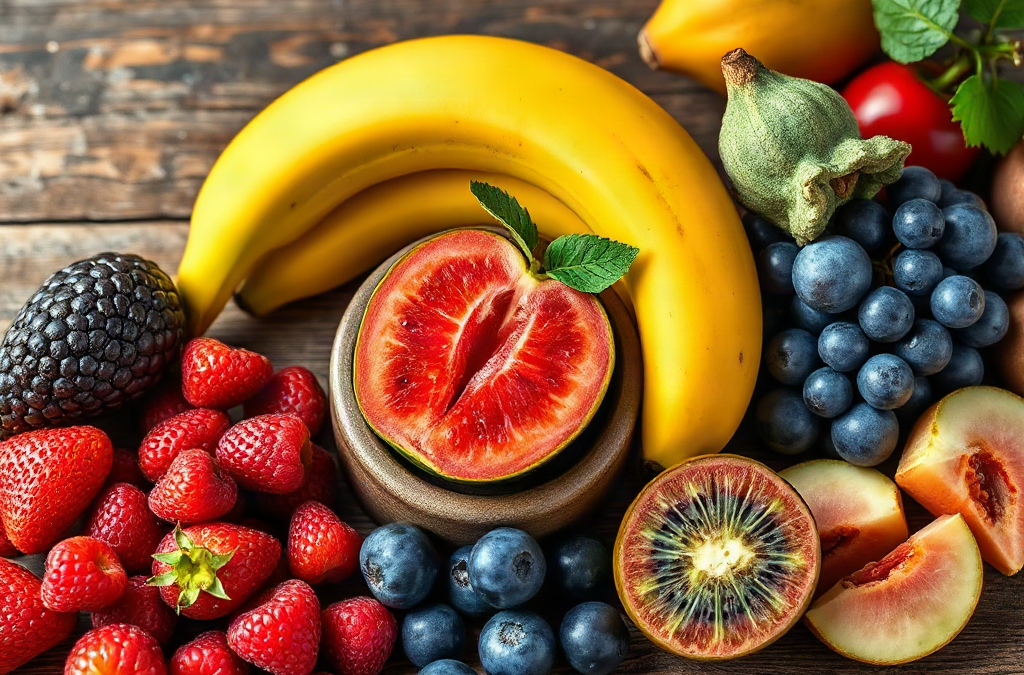
Fiber and natural sugar comparison across organic fruits shows that berries and guava generally offer more fiber relative to their sugar than grapes, mangoes, and ripe bananas, while whole fruit remains different from juice because intact cells slow eating and retain fiber.
Sep 5, 2026 | Organic Nutrition
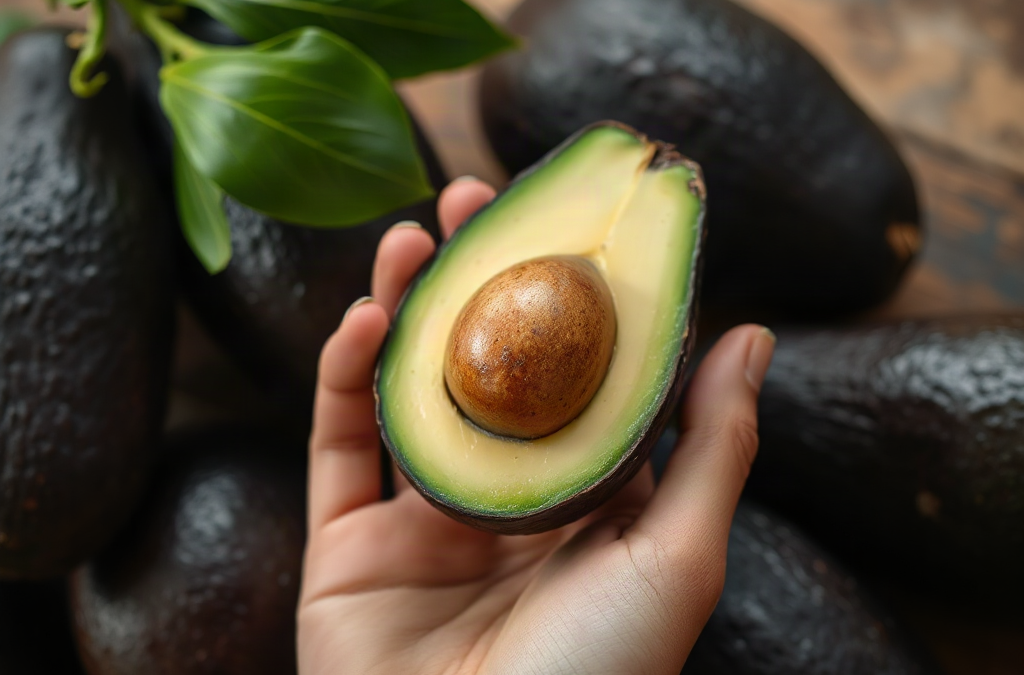
Avocado ripeness checks and storage decisions depend on firmness, stem-end color, intended use, and whether the fruit is whole or cut. A ripe avocado usually yields slightly to gentle palm pressure without feeling hollow, while a loose stem can reveal green or brown flesh beneath it.
Sep 5, 2026 | Healthy Eating
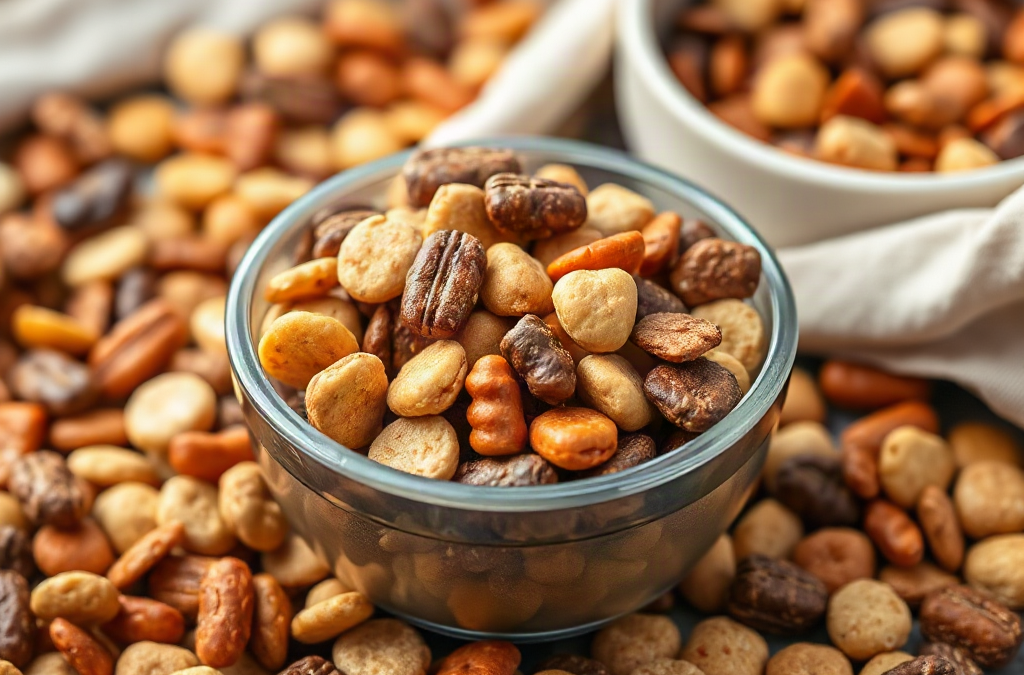
Trail mix portion control and added sugar limits work best when you measure about a small handful, check the serving size, and keep added sugar modest by comparing ingredient lists and Nutrition Facts panels. Nuts and seeds provide fat, protein, and calories in a compact volume, while chocolate, yogurt coatings…