Sep 4, 2026 | Organic Nutrition
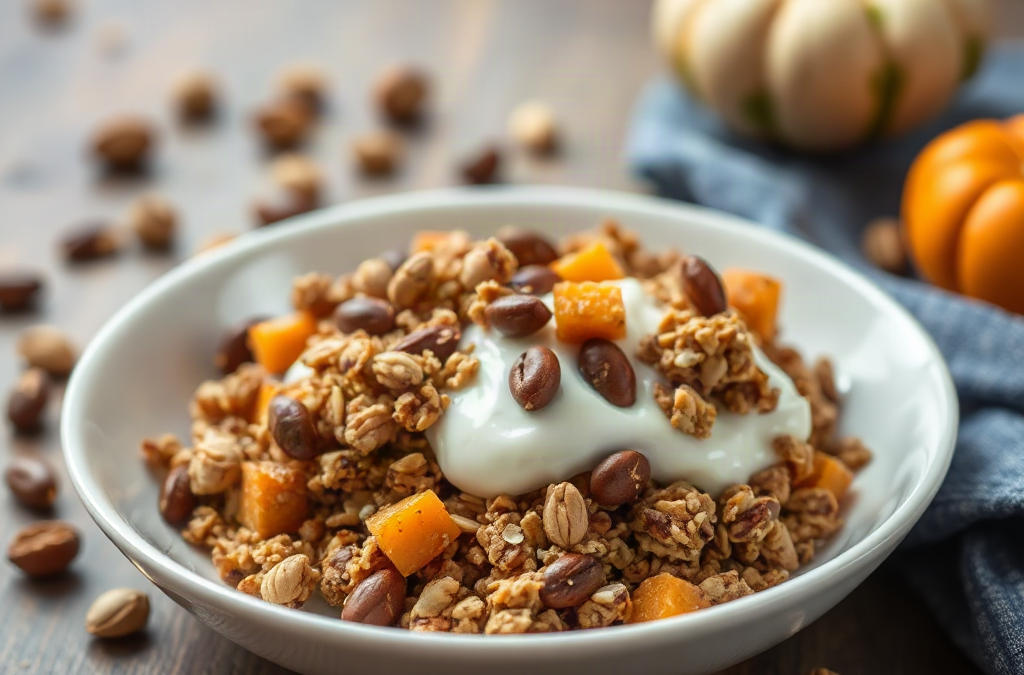
Pumpkin seed flax granola serving guidance centers on a modest portion—about 1/4 to 1/2 cup—matched with yogurt, milk, fruit, or another substantial food rather than eaten as an unlimited snack. Pumpkin seeds and flax add unsaturated fat, fiber, and plant-based nutrients, but granola can also contain concentrated calories, added sweeteners…
Sep 4, 2026 | Organic Nutrition
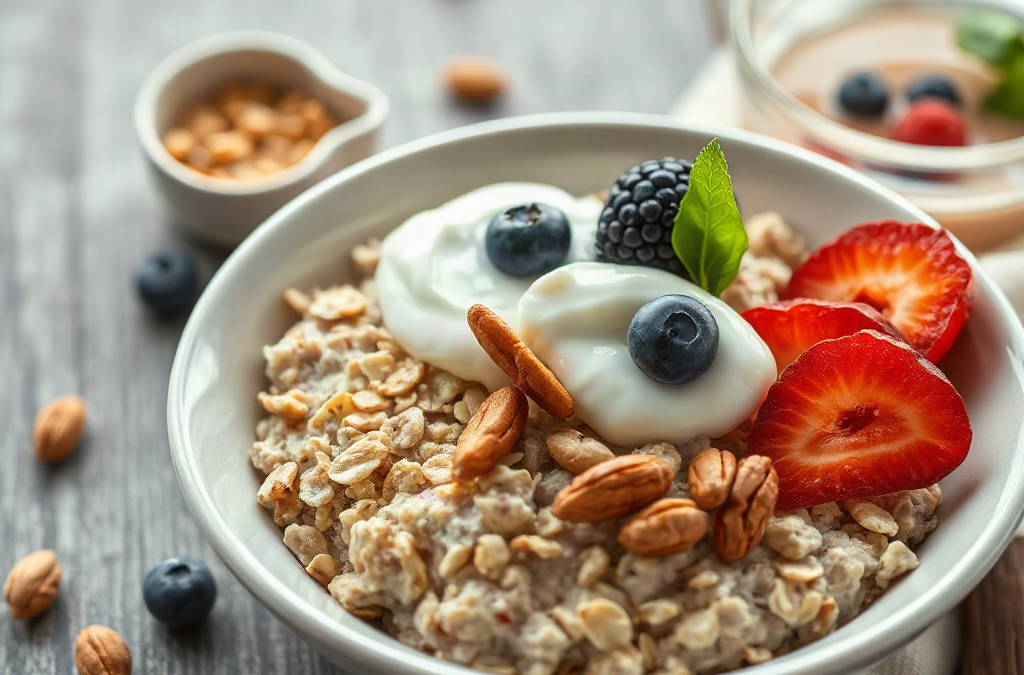
Balanced breakfast toppings for organic oatmeal combine fruit for flavor and carbohydrates, nuts or seeds for unsaturated fat, and a protein-rich ingredient such as Greek yogurt, milk, or nut butter. Oats already provide complex carbohydrates and fiber, but a bowl made with only syrup or dried fruit may be less…
Sep 3, 2026 | Organic Nutrition
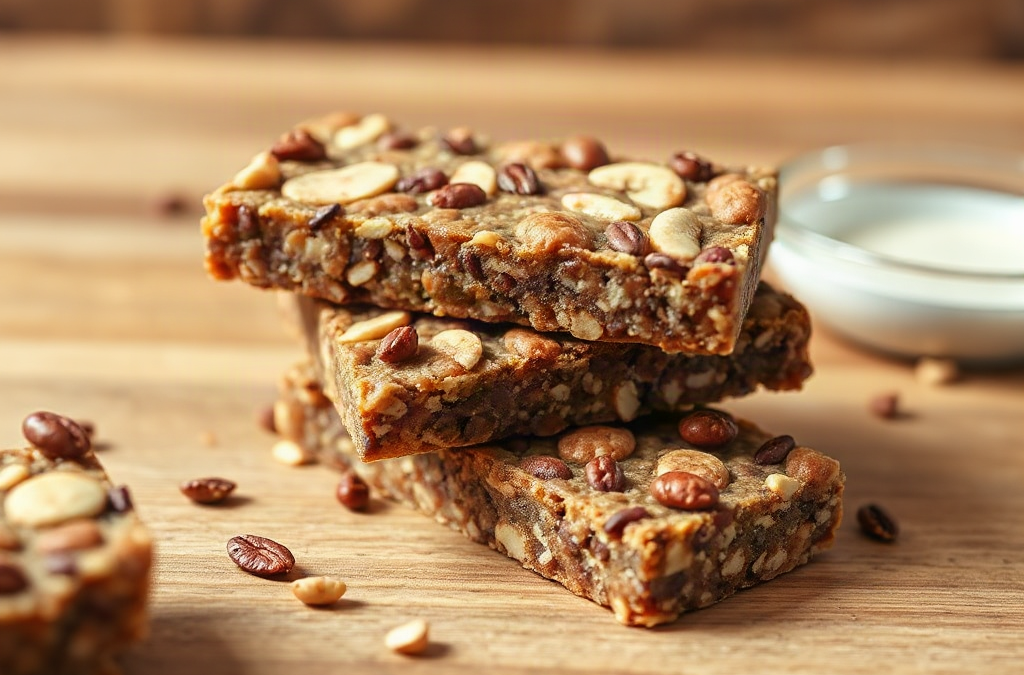
Lower-added-sugar organic nutrition bar choices work best when they pair modest added sugar with meaningful protein, fiber, nuts or seeds, and a short ingredient list. Compare the Nutrition Facts panel with the ingredients list because dates, syrups, fruit concentrates, and cane sugar can all sweeten a bar while the front…

Sep 3, 2026 | Food
Organic breakfast ideas beyond sugary cereals work best when they combine protein, fiber, and minimally processed carbohydrates in a meal that fits the morning routine. Useful options include eggs with vegetables and whole-grain toast, unsweetened yogurt with berries and nuts, overnight oats with chia seeds, and bean or avocado toast.
Sep 2, 2026 | Organic Nutrition
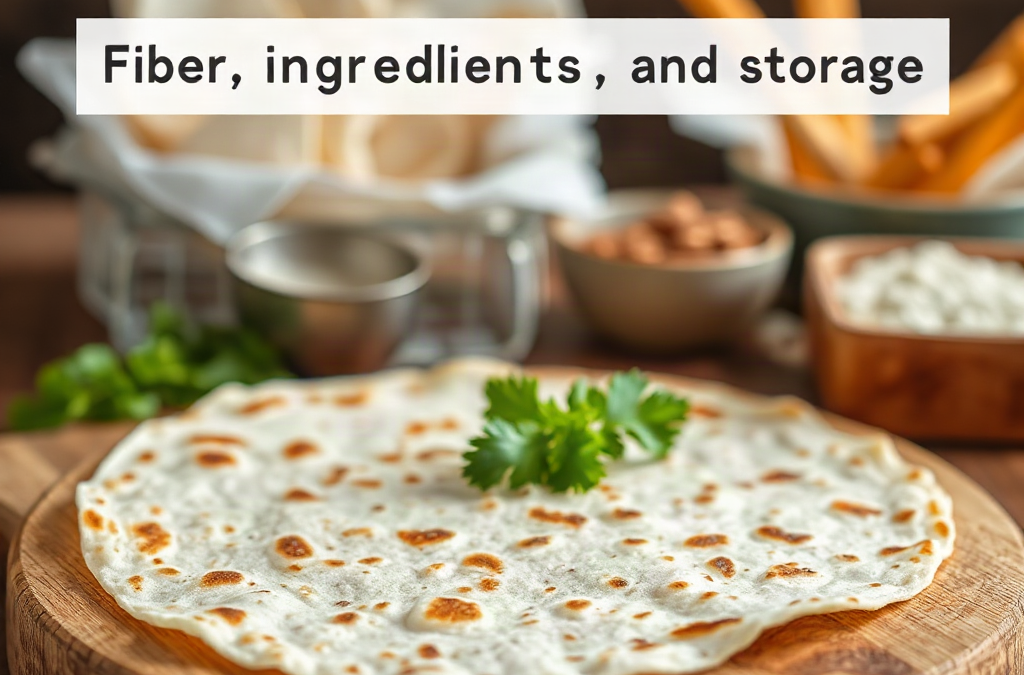
Fiber, ingredients, and storage for organic tortillas are linked: the flour or grain determines fiber, the ingredient list reveals how minimally the tortilla is made, and storage controls texture and spoilage. Whole-grain corn or whole-wheat tortillas generally provide more fiber than refined flour versions, but the Nutrition Facts panel is…