Aug 16, 2026 | Organic Nutrition
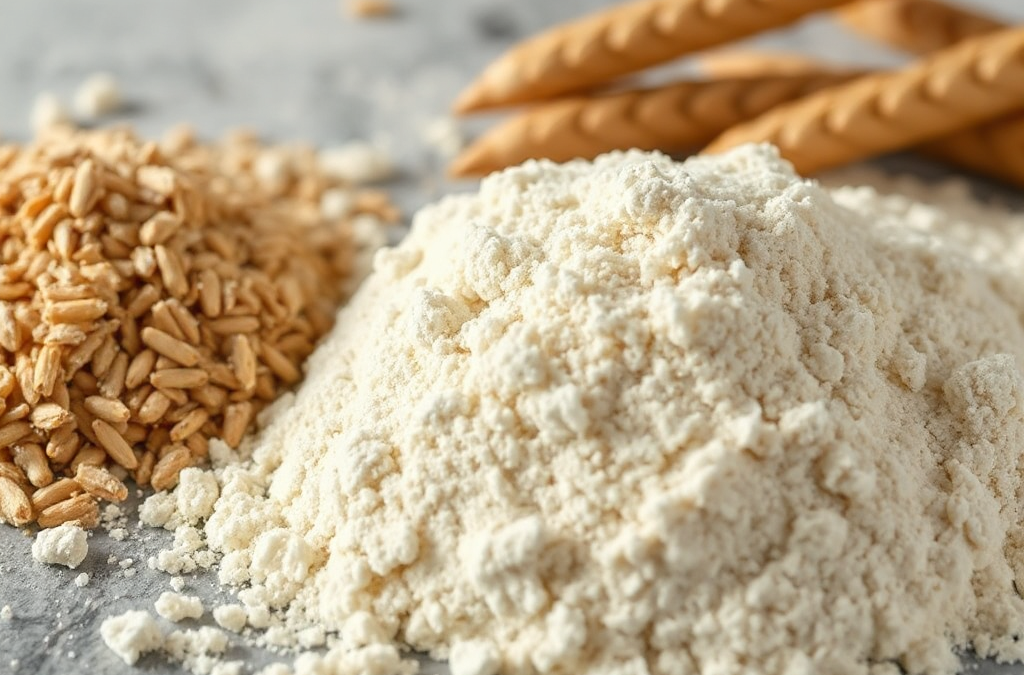
Organic whole wheat flour versus refined flour is mainly a choice between retaining the wheat kernel’s bran and germ or removing them before milling, which changes fiber, micronutrients, flavor, texture, and shelf life. Whole wheat flour generally provides more fiber and a denser, nuttier bake, while refined flour produces lighter…
Aug 15, 2026 | Organic Nutrition
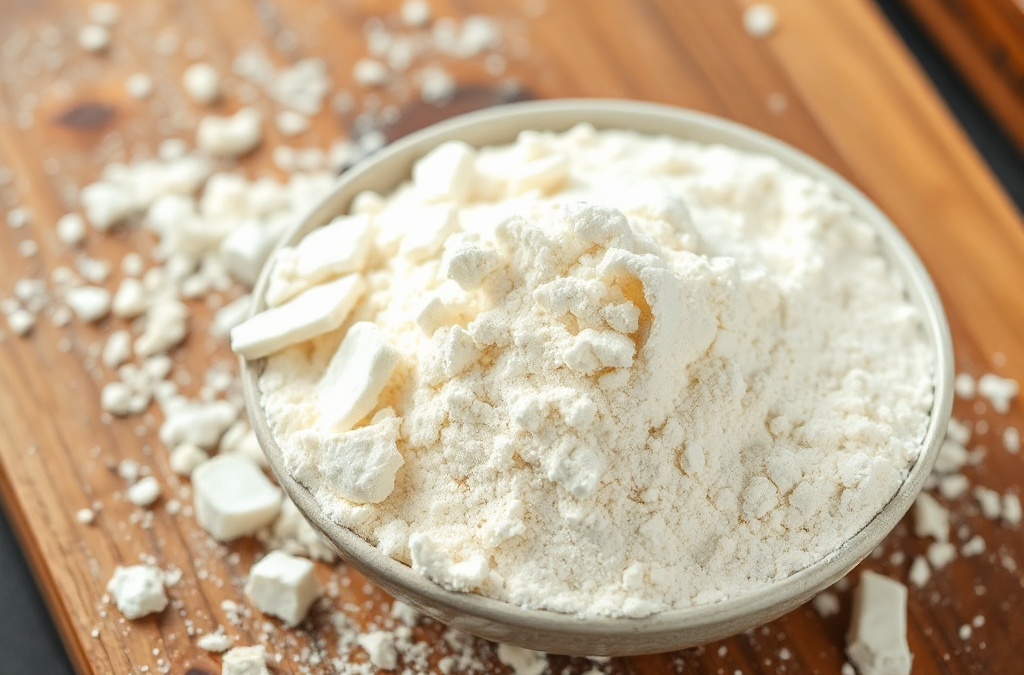
Organic all-purpose flour for everyday baking is a versatile pantry staple for cookies, cakes, muffins, quick breads, pancakes, and many simple doughs, provided you measure it accurately and adjust for hydration when needed. Its organic certification concerns farming and handling standards, not a guarantee of lighter texture, higher nutrition, or…
Aug 15, 2026 | Nutrition
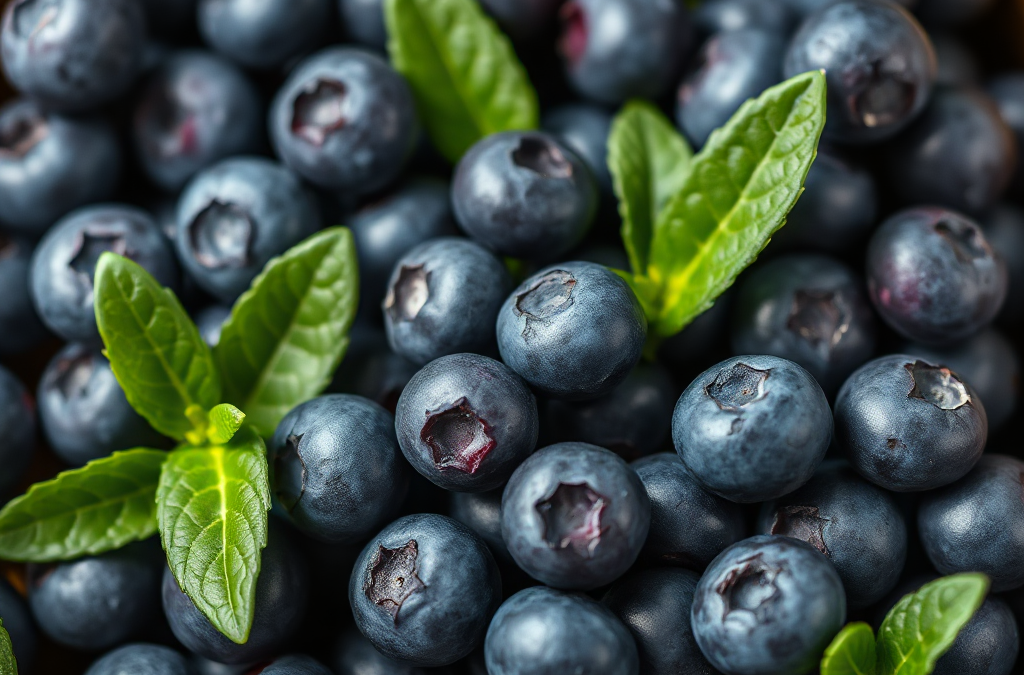
Organic blueberries: freshness, nutrition, and storage depend on selecting firm, dry berries, protecting them from excess moisture, and using refrigeration strategically. Their blue-purple color comes from anthocyanins, while they also provide fiber and vitamin C within a relatively low-calorie whole-food package.
Aug 14, 2026 | Organic Nutrition
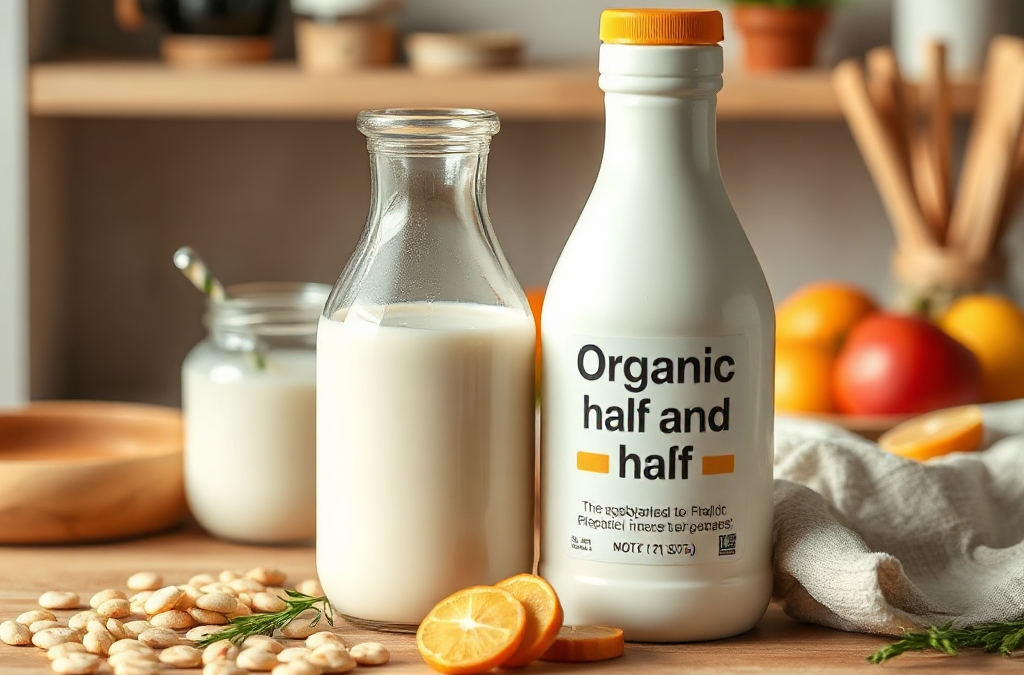
Organic half and half is usually not nutritionally different from conventional half and half because both are primarily a mixture of milk and cream, with similar calories, fat, protein, and carbohydrate amounts. The meaningful differences usually involve organic production standards, permitted feed and farming practices, ingredient lists, and sometimes small…
Aug 14, 2026 | Organic Nutrition
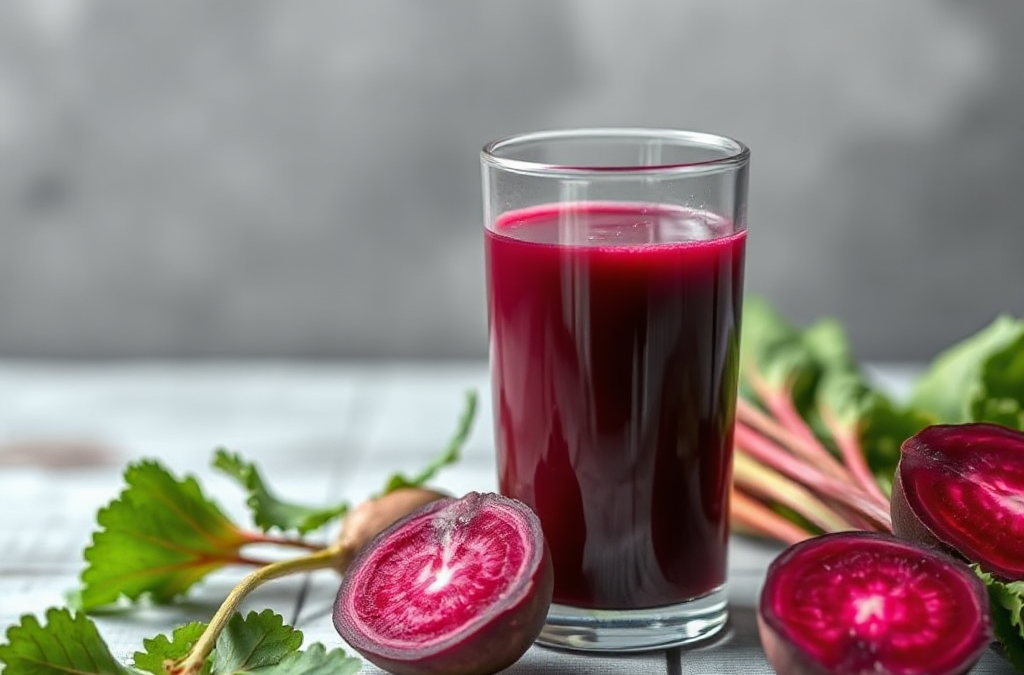
Organic beet juice benefits and safety considerations center on dietary nitrates, exercise support, blood-pressure effects, sugar content, and kidney-related risks. Nitrates can be converted to nitric oxide, which may help blood vessels relax and may modestly support exercise efficiency or blood-pressure readings in some people.